
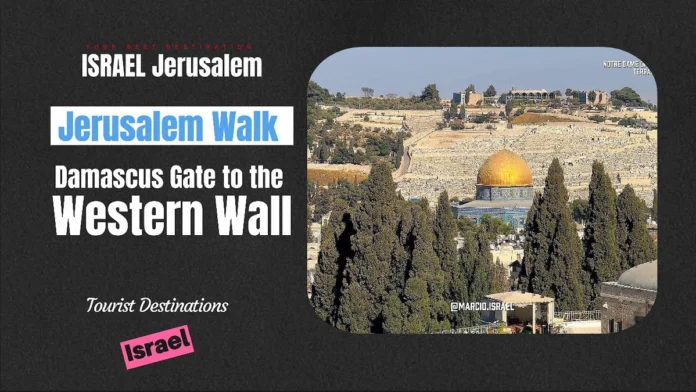
Jerusalem . The name itself conjures images of ancient stones, religious fervor, and political tension. But Jerusalem is so much more than just a place on a map. It’s a living, breathing city with layers of history, faith, and culture intertwined in a way that’s unlike anywhere else. Forget the surface-level news reports – let’s delve into why Jerusalem matters, not just to Israelis and Palestinians, but to the world.
Why Jerusalem’s Status is a Global Flashpoint
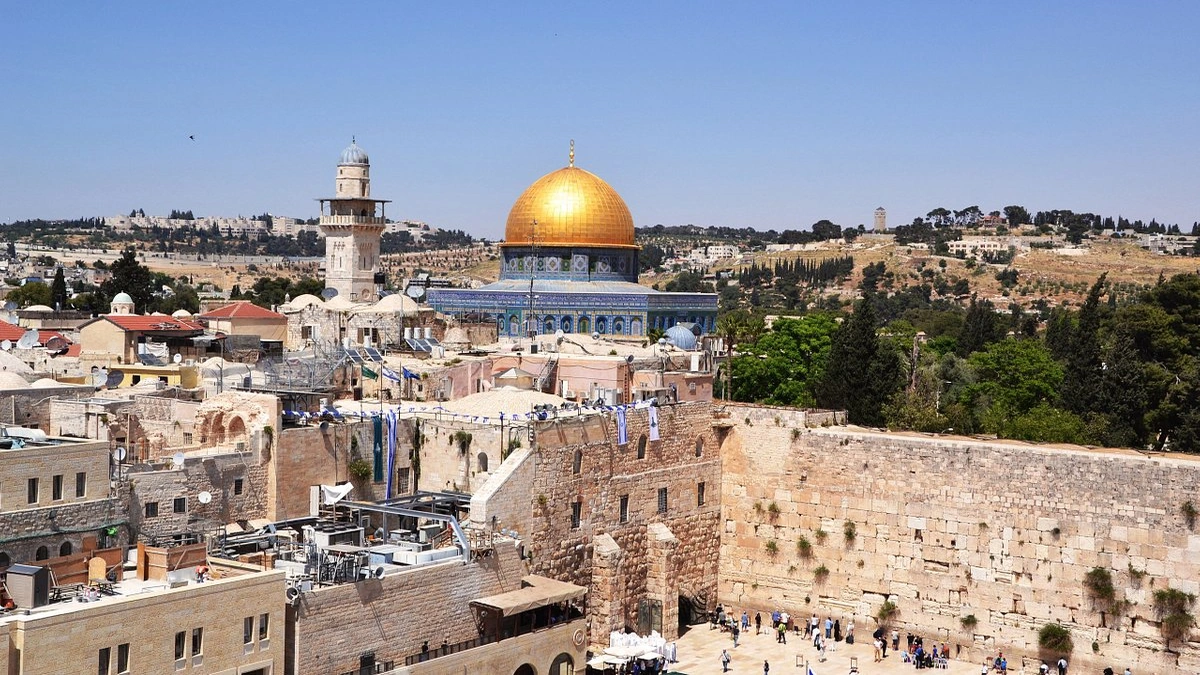
The question isn’t just who controls Jerusalem , but why control is so fiercely contested. At its heart, it’s about identity, sovereignty, and deeply held religious beliefs. Jews, Christians, and Muslims all have significant ties to the city, and their claims often overlap and conflict. This isn’t just a modern political issue; it’s a historical echo chamber resonating with events spanning millennia. And here’s the thing: understanding this historical context is crucial to understanding the present-day tensions.
For Jews, Jerusalem has been the spiritual and political center since King David established it as the capital of his kingdom around 1000 BCE. The Western Wall, a remnant of the Second Temple, stands as a powerful symbol of this ancient connection. For Christians, Jerusalem is where Jesus was crucified and resurrected, making it a cornerstone of their faith. The Church of the Holy Sepulchre is one of the most sacred sites in Christianity. Muslims revere Jerusalem as the site of the Dome of the Rock and the Al-Aqsa Mosque, the third holiest site in Islam, believing it to be the location from which Muhammad ascended to heaven. See the problem? Each group’s narrative is deeply intertwined with the city’s very stones.
This religious significance is why any change in the status quo is met with such resistance. Political control translates to perceived religious control, and that’s a dangerous game to play. The Al-Aqsa Mosque , for example, is a constant point of contention. Any perceived threat to its sanctity can ignite widespread protests and violence.
Adding fuel to the fire is the fact that Jerusalem has been at the heart of the Israeli-Palestinian conflict for decades. Israel considers the entire city its unified capital, a claim not recognized by most of the international community. Palestinians envision East Jerusalem as the capital of a future Palestinian state. This disagreement is a major obstacle to any lasting peace agreement. I initially thought this was straightforward, but then I realized just how many layers of complexity it has. The political landscape is constantly shifting, making any resolution incredibly difficult.
Jerusalem’s Modern Challenges: Beyond the Headlines
While the headlines often focus on conflict and political disputes, Jerusalem faces numerous modern challenges. The city’s population is growing rapidly, leading to increased demand for housing, infrastructure, and social services. And it’s not just about numbers; it’s about demographics. The city is becoming increasingly divided along religious and ethnic lines, with separate Jewish and Arab neighborhoods. This segregation can exacerbate tensions and hinder efforts to build a shared society.
Economic disparities also play a significant role. East Jerusalem , predominantly Palestinian, often lags behind West Jerusalem in terms of economic development and access to resources. This inequality fuels resentment and contributes to the overall sense of injustice. Another problem is tourism. While it’s a major source of revenue, it also puts a strain on the city’s resources and can disrupt the lives of local residents. Balancing the needs of tourists with the needs of the local population is a constant challenge.
But beyond the tangible challenges, there’s a deeper, more intangible issue: the struggle to maintain a sense of normalcy in a city constantly under the spotlight. Residents live with the daily reality of security checkpoints, political demonstrations, and the ever-present threat of violence. It takes a toll. Building bridges between different communities requires a concerted effort, and it’s not always easy. What fascinates me is how people manage to maintain hope and resilience in the face of such adversity.
Religious Significance and the Ongoing Debate
The debate surrounding Jerusalem is not merely political, but profoundly religious. The city’s religious sites are not just historical monuments; they are active places of worship that hold deep spiritual meaning for millions of people around the world. Maintaining access to these sites and ensuring freedom of worship is paramount, but it’s also incredibly complex.
For example, the Temple Mount, known to Muslims as Haram al-Sharif, is a particularly sensitive area. As per the guidelines mentioned in the information bulletin , managing access to the site and preventing any actions that could be perceived as provocative is a constant balancing act. TheWaqf , the Islamic trust that administers the site, plays a crucial role in maintaining order, but its authority is often challenged.
And it’s not just about access; it’s about how these sites are perceived. Any change in the status quo, even something as seemingly minor as new construction or archaeological excavations, can be interpreted as an attempt to undermine the religious significance of the site. This sensitivity requires careful diplomacy and a willingness to engage in dialogue with all stakeholders.
But it’s not just about the physical sites; it’s about the narratives that surround them. Each religious group has its own interpretation of the city’s history and its own vision for its future. Reconciling these different narratives is essential for building a shared understanding and fostering peaceful coexistence. It’s a long and difficult process, but it’s one that must be pursued if Jerusalem is to become a city of peace.
What Does the Future Hold for Jerusalem?
Predicting the future of Jerusalem is a fool’s errand. The city is a complex and dynamic place, and its trajectory is shaped by a multitude of factors, both local and global. But it’s not impossible to identify some key trends and potential scenarios.
One thing is certain: the city’s population will continue to grow. This growth will put increasing pressure on resources and infrastructure, and it will require innovative solutions to address the challenges of housing, transportation, and employment. Another trend is the increasing importance of technology . Jerusalem is becoming a hub for innovation and entrepreneurship, and its tech sector has the potential to drive economic growth and create new opportunities.
But the biggest question mark remains the Israeli-Palestinian conflict. A lasting peace agreement that addresses the status of Jerusalem is essential for ensuring the city’s long-term stability and prosperity. Without such an agreement, the city will remain a source of tension and conflict. The Temple Mount , in particular, will continue to be a flashpoint.
Let me rephrase that for clarity: The future of Jerusalem depends on the ability of Israelis and Palestinians to find a way to share the city. This requires compromise, mutual respect, and a willingness to listen to each other’s narratives. It’s a tall order, but it’s not impossible. And the stakes are high. The future of Jerusalem is not just about the city itself; it’s about the future of the entire region.
The Political Dynamics and International Involvement
The political dynamics surrounding Jerusalem are incredibly complex, involving not only Israelis and Palestinians but also a host of international actors. The United States, the European Union, and the United Nations all have a stake in the city’s future, and their policies and actions can have a significant impact.
The United States, for example, has traditionally played a leading role in mediating the Israeli-Palestinian conflict. However, its policies towards Jerusalem have shifted in recent years, with the recognition of Jerusalem as Israel’s capital and the relocation of the U.S. embassy. These moves have been widely criticized by Palestinians and the international community, who see them as undermining the peace process. According to the latest circular on the official NTA website (csirnet.nta.ac.in), it’s crucial to understand these international perspectives.
The European Union also has a strong interest in Jerusalem . The EU supports a two-state solution to the Israeli-Palestinian conflict, with East Jerusalem as the capital of a future Palestinian state. The EU provides significant financial assistance to the Palestinian Authority and supports projects aimed at promoting economic development and building a shared society in Jerusalem . The key lies in international collaboration .
The United Nations has a long history of involvement in Jerusalem . The UN Security Council has passed numerous resolutions calling for the protection of the city’s holy sites and for a just and lasting peace agreement that addresses the status of Jerusalem . The UN also provides humanitarian assistance to Palestinian refugees in Jerusalem .
Navigating these international dynamics is crucial for anyone seeking to understand the complexities of Jerusalem . The city is not just a local issue; it’s a global one, and its future depends on the actions of a wide range of actors.
FAQ About Jerusalem
What is the status of Jerusalem?
Israel considers the entire city its unified capital, while Palestinians envision East Jerusalem as the capital of a future Palestinian state. The international community does not recognize Israel’s claim.
Why is Jerusalem so important?
Jerusalem holds immense religious significance for Jews, Christians, and Muslims, making it a focal point of faith and identity.
What are the main challenges facing Jerusalem today?
Rapid population growth, economic disparities, and the ongoing Israeli-Palestinian conflict are key challenges.
How does the international community view Jerusalem?
Most of the international community does not recognize Israel’s claim to the entire city and supports a two-state solution with East Jerusalem as the Palestinian capital.
What is the Temple Mount/Haram al-Sharif?
It is a highly sensitive religious site revered by both Jews and Muslims, and a frequent source of tension.
What are some potential solutions for Jerusalem’s future?
A lasting peace agreement that addresses the status of Jerusalem , along with efforts to promote economic development and build a shared society.
So, Jerusalem isn’t just about ancient stones and religious divides. It’s about the human story – the hopes, the fears, and the enduring quest for peace in a city that has seen it all. Understanding this is the first step toward a more informed and compassionate perspective.


