

John Roberts. The name itself conjures up images of the Supreme Court, weighty decisions, and the kind of legal maneuvering that makes your head spin. But here’s the thing: understanding Chief Justice John Roberts isn’t just about following the headlines. It’s about understanding the why behind his often-unexpected rulings. It’s about diving into the nuances of his legal philosophy – a philosophy that often seems to defy easy categorization.
Let’s be honest, predicting his votes is harder than forecasting the weather in Chicago. He’s a conservative, yes, but he’s also an institutionalist – someone deeply concerned with the Supreme Court’s legitimacy. That tension between ideology and institutionalism? That’s where the real story of John Roberts’s Supreme Court lies.
Understanding Roberts’s Core Philosophy
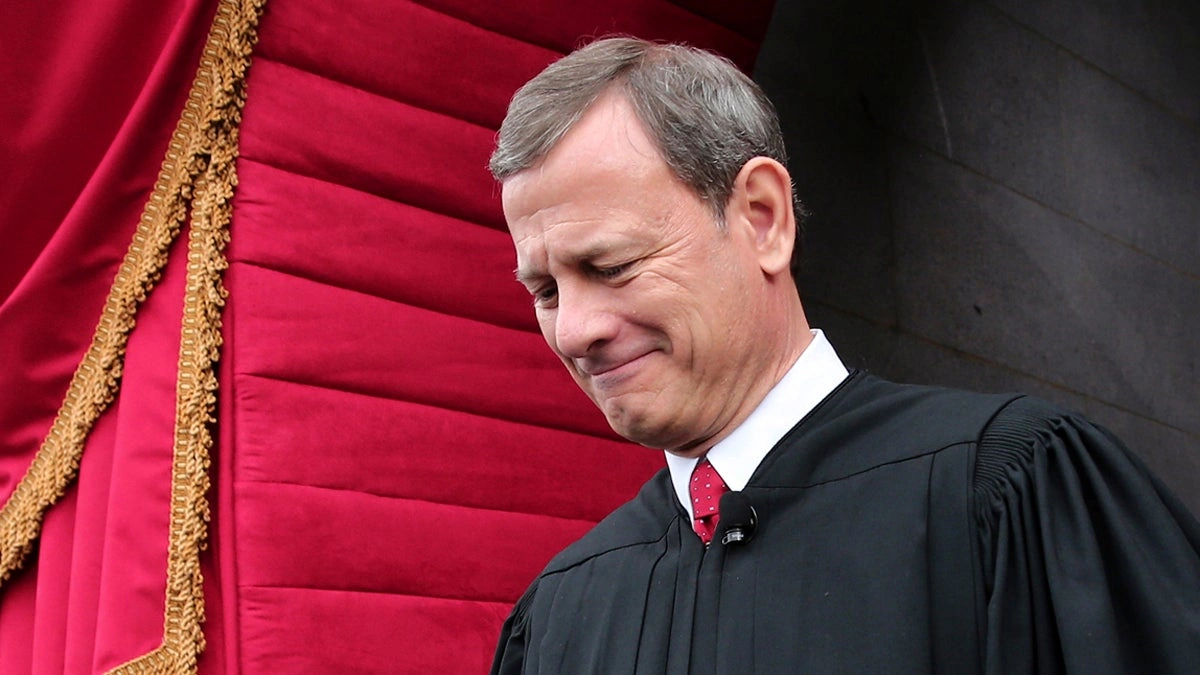
What fascinates me is the way Roberts balances his conservative leanings with a desire to maintain the Court’s standing in the public eye. He’s often described as a pragmatist. He’s a master of the narrow ruling – decisions that address the specific issue at hand without sweeping pronouncements that could drastically alter the legal landscape. This approach, while sometimes frustrating to both liberals and conservatives, is a key element of his judicial strategy.
Think about it: landmark decisions often come with significant backlash, potentially undermining public confidence in the Court. Roberts seems determined to avoid that, even if it means compromising on his own policy preferences. This isn’t about political calculation, but about a deep-seated belief in the importance of the Court as a stable, respected institution. Check this article for more information .
Key Cases That Define His Tenure
Remember the Affordable Care Act (ACA) cases? Those were nail-biters. Many expected Roberts, a conservative appointee, to side with those challenging the law. And yet, he twice voted to uphold the ACA, stunning observers on both sides of the political spectrum. Why? Because, in his view, the challenges to the law were not strong enough to warrant overturning it. He prioritized the legal arguments over pure ideological alignment.
I initially thought this was straightforward, but then I realized the depth of the controversy. Take National Federation of Independent Business v. Sebelius (2012), for instance. Roberts joined the liberal justices in upholding the ACA’s individual mandate under Congress’s taxing power. It was a move that infuriated many conservatives, but it solidified his image as an independent thinker. This demonstrates that John Roberts’s decisions are not always predictable. As per the guidelines mentioned in the information bulletin…
The Future of the Roberts Court
With the Court’s current conservative majority, the pressure on Roberts to toe the party line is immense. But will he? That’s the million-dollar question. His legacy will depend on how he navigates this tension – whether he continues to prioritize institutional stability or succumbs to the pressures of partisan politics. The Roberts Court stands at a crucial crossroads, and its direction will be largely determined by the choices he makes in the coming years.
And, here’s the thing – his influence extends far beyond individual cases. As Chief Justice, he plays a key role in shaping the Court’s agenda, assigning opinions, and guiding the overall direction of legal discourse. Understanding his vision for the Court is crucial to understanding the future of American law.
The Impact on American Society
So, why should you care about all this? Because the Supreme Court’s decisions – and John Roberts’s influence on those decisions – have a direct impact on your life. From healthcare to voting rights to environmental regulations, the Court shapes the legal landscape in ways that affect us all. A common mistake I see people make is underestimating the importance of these legal battles.
Understanding the nuances of Roberts’s jurisprudence allows you to engage more thoughtfully in these debates. It allows you to move beyond simplistic labels and appreciate the complex interplay of legal reasoning, political considerations, and personal beliefs that shape the Court’s decisions. I initially thought this was straightforward, but then I realized how complicated it can be.
But, here’s the real kicker: the Court’s decisions are not made in a vacuum. They are influenced by the broader social and political context in which they occur. For more information on related topics, visit this website .
Decoding His Legal Legacy
What fascinates me is how historians will view Chief Justice Roberts in the decades to come. Will he be remembered as a staunch conservative who subtly shifted the Court to the right? Or as a pragmatic centrist who preserved the Court’s legitimacy in a time of intense political polarization? The answer, I suspect, will be somewhere in between.
Let me rephrase that for clarity: Roberts’s legacy is still being written. His decisions in the coming years will ultimately determine how he is remembered. But one thing is clear: he is a figure of immense importance, and his influence on American law will be felt for generations to come.
FAQ | Understanding John Roberts
What is John Roberts’s judicial philosophy?
He is generally considered a conservative, but also an institutionalist, prioritizing the Supreme Court’s legitimacy.
Has John Roberts ever voted against conservative expectations?
Yes, most notably in cases related to the Affordable Care Act (ACA).
How does John Roberts influence the Supreme Court?
As Chief Justice, he shapes the Court’s agenda, assigns opinions, and guides legal discourse.
What are some key cases in John Roberts’s Supreme Court tenure?
The ACA cases, voting rights cases, and cases involving executive power are all significant.
What are the likely future John Roberts’s decisions?
It’s difficult to predict, but he will likely continue to balance conservative principles with institutional concerns.
Ultimately, understanding John Roberts’s Supreme Court is about recognizing the complexity of the man and the institution he leads. It’s about moving beyond simplistic labels and appreciating the nuanced interplay of law, politics, and personal conviction that shapes the course of American history.


