
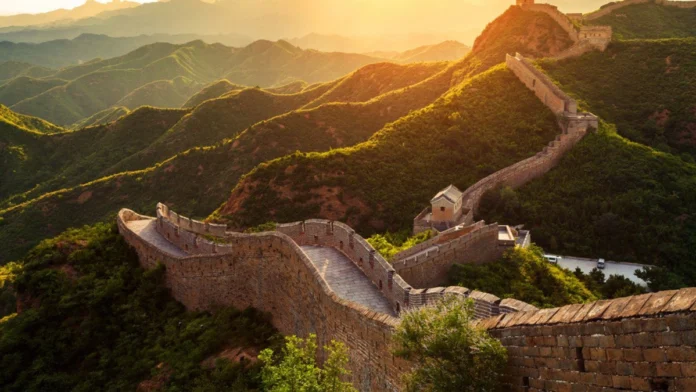
China. It’s a word that conjures up a whirlwind of images – bustling cities, ancient history, economic might. But let’s be honest, the news often presents a fragmented picture. What’s really going on, and why does it matter to someone living here in the US?
Here’s the thing: China’s impact on our lives is far more profound than most realize. It’s not just about cheaper goods at the store (though, let’s be real, that’s part of it). It’s about global power dynamics, technological innovation, and the future of, well, everything. So, let’s dive deep, past the headlines, and try to understand the underlying forces at play.
The Geopolitical Chessboard | China’s Rising Influence
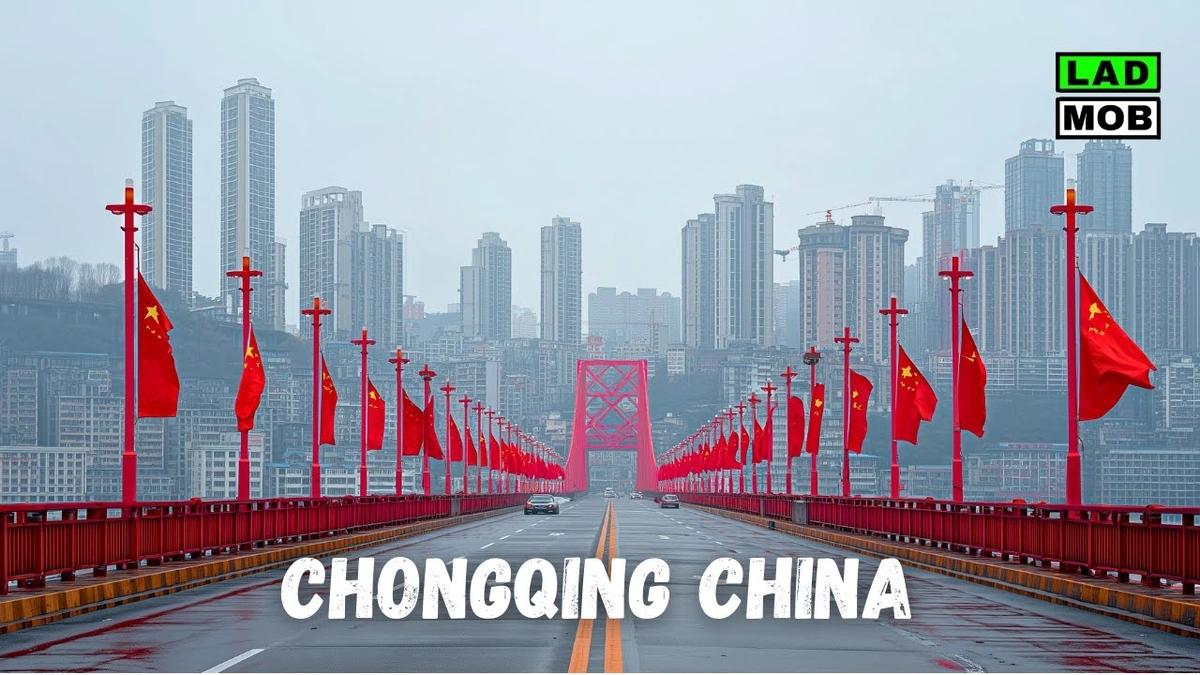
We can’t ignore the obvious: China’s challenging the existing world order. I initially thought this was a simple case of economic competition, but then I realized it’s much more nuanced. It’s about redefining global norms and power structures. And that has HUGE implications for the United States.
Think about it: China’s Belt and Road Initiative isreshaping infrastructure and trade routes across Asia, Africa, and even parts of Europe. This isn’t just about building roads; it’s about establishing economic and political influence. It allows them to tap resources and increase their global footprint. It’s a long-term strategy, and the West is only now beginning to grapple with its potential consequences.
The Tech Dragon | Innovation and Surveillance
China’s technological advancements are nothing short of breathtaking – or terrifying, depending on your perspective. It’s not just about copying Western technology anymore; they’re leading the way in areas like 5G, artificial intelligence, and electric vehicles. And that’s why investing in technology is so important for them.
But here’s the rub: this technological prowess comes with a dark side. The extensive surveillance system, facial recognition technology, and social credit system raise serious ethical concerns. What fascinates me is how this level of control impacts individual freedoms and the potential for dissent. Isthis the future of governance? It’s a question worth pondering, because the technologies they are pioneering are not going to be unique to them for very long. China’s tech sector is evolving, impacting everything from global supply chains to consumer electronics.
And, consider this: China is increasingly assertive in its claims to the South China Sea, a strategically vital waterway. This isn’t just about claiming islands; it’s about controlling access to resources and trade routes. The implications for regional stability and international law are significant, and the US is walking a tightrope in trying to balance its interests in the region.
The Economic Juggernaut | Trade, Tariffs, and the American Consumer
Let’s talk about trade. The US-China trade relationship is complex and often fraught with tension. Tariffs, trade wars, and intellectual property theft are all part of the narrative. What many Americans don’t realize is how deeply intertwined our economies are. From the smartphones in our pockets to the clothes we wear, Chinese manufacturing plays a significant role.
The question is, can the US reduce its dependence on Chinese manufacturing without hurting its own economy? It’s a tough balancing act, and there are no easy answers. And, let’s be honest, nobody really wants to pay an extra $500 for their phone in the name of reshoring manufacturing. Economic ties run deep.
Human Rights and the Uyghur Crisis
The treatment of the Uyghur population in Xinjiang is a deeply troubling issue. Reports of forced labor, mass surveillance, and cultural suppression are deeply concerning. The Chinese government denies these allegations, but the evidence is mounting. It’s a moral imperative for the international community to hold China accountable for its human rights abuses.
According to reports from organizations like Human Rights Watch, the situation in Xinjiang is dire. While sources suggest a specific number of those affected, the official confirmation is still pending. It’s best to keep yourself informed on the situation. The US government has already imposed sanctions on Chinese officials involved in the alleged abuses, but more needs to be done to address this ongoing crisis. Manyargue that our international relations should be based on our shared values.
Looking Ahead | Navigating the Future with China
So, what’s the takeaway? China is a complex and multifaceted nation with a rapidly evolving role in the world. Ignoring it or simplifying the narrative is a disservice to ourselves. We need to understand its ambitions, its challenges, and its impact on our lives. The future will require a nuanced approach that balances competition with cooperation, and that holds China accountable for its actions while recognizing its importance on the global stage.
China’s global influence is constantly changing, affecting not just international politics but also local communities.
Let me rephrase that for clarity: It’s not just about grand geopolitical strategies; it’s about how these strategies affect our daily lives.
As per guidelines in countless political science papers, a better understanding of China will help improve international trade and security for every country involved.
FAQ About China
What are the biggest challenges facing China today?
China faces numerous challenges, including an aging population, environmental degradation, and growing income inequality. Maintaining economic growth while addressing these issues will be crucial for its long-term stability.
How does China’s political system differ from the US?
China has a one-party political system led by the Communist Party, whereas the US has a multi-party system with a separation of powers. This fundamental difference shapes their approaches to governance and policy-making.
What is China’s stance on climate change?
China is the world’s largest emitter of greenhouse gases, but it has also made significant investments in renewable energy. Its commitment to the Paris Agreement and its efforts to reduce emissions will be critical in addressing climate change globally.
How does China view its relationship with Taiwan?
China considers Taiwan a renegade province and has not ruled out using force to reunify the island with the mainland. This remains a major point of contention in US-China relations.
What role does culture play in China’s global strategy?
China promotes its culture through initiatives like Confucius Institutes, which aim to spread Chinese language and culture around the world. This “soft power” is a key component of its global strategy.
Where can I find reliable information about China?
Reputable news organizations, academic institutions, and government sources can provide valuable insights into China. Be sure to critically evaluate the information and consider different perspectives.
Ultimately, understanding China is an ongoing process. The more informed we are, the better equipped we are to navigate the complex challenges and opportunities that lie ahead. And, honestly, it’s just plain interesting.


