
Affordable housing . It’s a phrase we hear all the time, but do we really understand what’s at stake? Let’s be honest: it’s easy to tune out when you see it in the headlines. But here’s the thing: the affordable housing crisis isn’t some abstract problem – it’s a looming threat to the American dream itself, and its impact on your life may be more direct than you think. This isn’t just about people struggling to find a place to live; it’s about the future of our communities, our economy, and our society.
I know, I know – sounds dramatic, right? But stick with me. We’re going to dive deep into the why behind the crisis, not just the what . Because until you understand why it’s happening, you can’t begin to understand how to solve it.
The Economic Earthquake | How Housing Costs Are Reshaping America
So, why is affordable housing such a hot-button issue right now? Well, it boils down to a perfect storm of factors. For one, wages haven’t kept pace with the skyrocketing costs of housing. A common mistake I see people make is to think this only affects people in poverty. The data shows families who make decent salaries are now struggling. The median price of homes is outpacing wage growth exponentially in many markets.
And then there’s the issue of supply. We simply haven’t been building enough new housing to meet the growing demand, especially in desirable urban areas and booming suburban locales. Zoning laws, NIMBYism (Not In My Backyard – the opposition to new development by existing residents), and construction costs have all conspired to stifle the supply of new homes. But , consider the cascading effects, how lack of housing affordability puts a drag on local economies.
Consider also the increasing financialization of housing. Big investors are buying up properties. According to a report by the National Low Income Housing Coalition, there’s a shortage of over 7 million affordable housing units in the United States. That’s a mind-boggling number. And , if you factor in the potential impact of climate change and displacement, it’s a problem that is going to get much, much worse. What fascinates me is how intertwined real estate market dynamics are with the overall health of our economy.
Beyond Bricks and Mortar | The Human Cost of the Crisis
Let’s step away from the economics for a moment and talk about the human side of this issue. It’s easy to get lost in statistics and graphs, but the affordable housing crisis isn’t just about numbers – it’s about real people, families, and individuals who are struggling to make ends meet. I initially thought this was straightforward, but then I realized how profoundly this affects educational outcomes for children and the health and well-being of families.
Think about it: what does it feel like to constantly worry about whether you’ll be able to pay rent next month? What does it do to your mental health, your relationships, your ability to focus on your job or your education? As per data collected by the United States Interagency Council on Homelessness (USICH), stable housing is a critical factor in breaking cycles of poverty. The lack of quality housing is having a ripple effect on communities.
And it’s not just those who are directly affected by the crisis who suffer. The lack of affordable housing also has a negative impact on our communities as a whole. It leads to increased homelessness, overcrowding, and instability, and it can make it harder for businesses to attract and retain workers. And , it can exacerbate existing inequalities and create new ones.
The Innovation Imperative | Bold Ideas to Tackle the Housing Shortage
Okay, so we’ve established that the affordable housing crisis is a serious problem with far-reaching consequences. But what can we do about it? Well, here’s the good news: there are a lot of innovative ideas being explored right now, from government policies to private-sector initiatives.
One promising approach is to increase the supply of affordable housing by incentivizing developers to build more units. This could involve offering tax breaks, streamlining the permitting process, or providing direct subsidies. But, this may require a restructuring of zoning and land-use laws.
Another idea is to explore alternative housing models, such as co-living, micro-housing, and accessory dwelling units (ADUs). These can provide more affordable options for individuals and families, especially in high-cost areas. I’ve even seen people repurposing shipping containers into homes. Let me rephrase that for clarity: innovative construction techniques are essential for addressing this challenge.
Investing in Tomorrow | The Long-Term Payoff of Housing Solutions
Let’s be honest: solving the affordable housing crisis won’t be easy, and it won’t happen overnight. It will require a concerted effort from government, the private sector, and individuals. But here’s why it’s worth it: investing in affordable housing isn’t just the right thing to do; it’s also the smart thing to do.
Studies have shown that affordable housing can boost local economies, create jobs, improve health outcomes, and reduce crime rates. It can also help to create more vibrant, diverse, and equitable communities. And, it’s important to consider the environmental sustainability aspect. A sustainable approach to residential construction can significantly reduce the carbon footprint of housing.
What fascinates me is the potential for technology to disrupt the industry and create innovative solutions. What are the impacts of these technological advances? Consider how the integration of energy-efficient systems reduces reliance on the grid, ultimately lowering utility bills for residents.
The Role of Government in Housing Affordability
So, what is the role of the government? Government plays a critical role in creating and implementing policies and programs that support affordable housing initiatives. This includes funding for public housing, rental assistance programs, and tax credits for developers who build affordable housing units. But, it’s also important to ensure that these programs are well-managed and effective.
Additionally, the government should work to remove barriers to affordable housing development, such as restrictive zoning laws and lengthy permitting processes. This can help to increase the supply of affordable housing and make it easier for developers to build in underserved communities. The National Housing Trust Fund is one program that aims to increase and preserve affordable housing.
But, the government can also provide support for programs that promote homeownership among low- and moderate-income families. This can help to build wealth and stability and create more vibrant and diverse communities. The future depends on it , in many ways.
FAQ: Your Affordable Housing Questions Answered
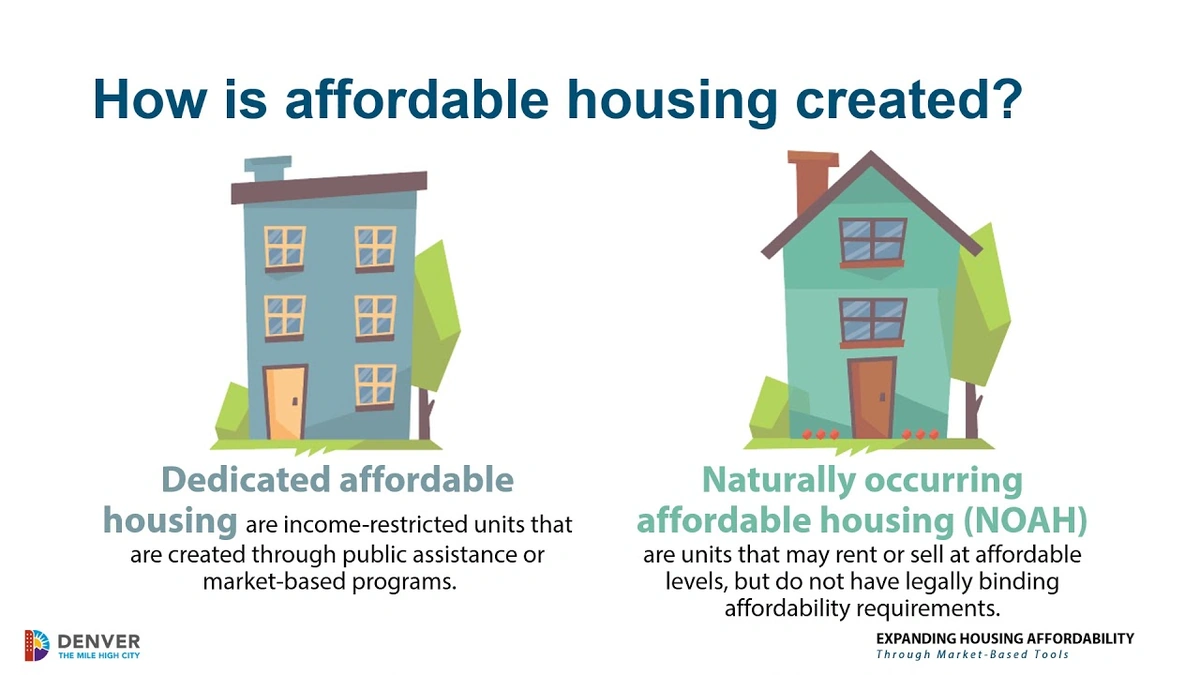
What exactly is considered “affordable housing“?
Generally, housing is considered affordable if it costs no more than 30% of a household’s gross income.
What if I can’t find affordable housing in my area?
Contact your local housing authority or a non-profit housing organization for assistance.
Are there government programs to help with housing costs?
Yes, programs like Section 8 (Housing Choice Voucher Program) can provide rental assistance.
What can I do to advocate for more affordable housing in my community?
Attend local government meetings, write to your elected officials, and support organizations working on this issue.
The path to solving the affordable housing crisis is not a sprint; it’s a marathon. It requires sustained effort, creative thinking, and a willingness to challenge the status quo. But here’s the thing: the future of our communities, our economy, and our society depends on it. Let’s work together to build a future where everyone has a safe, decent, and affordable place to call home. The stock market is volatile , but the need is a constant.


