
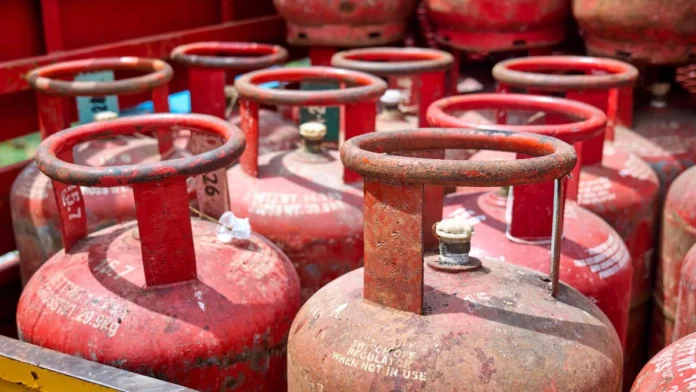
Let’s be honest, we’ve all felt that pang of pain looking at the gas prices lately. But what if I told you the real cost of gas is about way more than just the number on the pump? What if I told you that understanding this “why” is key to making smarter choices, not just for your wallet, but for the future? Buckle up, because we’re diving deep.
Gas Prices: A Rollercoaster We Can’t Get Off?

Gas prices are notoriously volatile. One day you’re feeling okay-ish, the next you’re wondering if you should just invest in a horse. But why is that? It’s a complex mix, and not all of it’s obvious. There’s the price of crude oil, of course – check this out, which is influenced by global events, supply and demand, and even political tensions. Refineries play a big role, too. If a refinery goes down for maintenance (which happens!), supply tightens, and prices jump.
Then there are the taxes. Federal and state gas taxes add a significant chunk to the final price you pay. These taxes are often used to fund infrastructure projects, like roads and bridges. And finally, there’s distribution and marketing – getting the gas from the refinery to your local station.
But here’s the thing: focusing solely on these immediate factors is like only seeing the tip of the iceberg. The deeper, less visible factors are often more important in the long run.
The Hidden Environmental Impact of Gas
We all know that burning gas releases greenhouse gases, contributing to climate change. But what’s less talked about is the scale of that impact. Consider the entire lifecycle of gas – from extraction to transportation to combustion. Each stage has environmental consequences, including habitat destruction, water pollution, and air pollution. And that air pollution doesn’t just affect the global climate; it impacts local air quality, leading to respiratory problems and other health issues.
What fascinates me is how the price of gas rarely reflects these environmental costs. Economists call these “externalities” – costs that aren’t included in the market price of a good or service. If the true environmental cost of gas were factored in, the price at the pump would be dramatically higher. This is where alternative energy sources, such as electric vehicles, come into play, offering a pathway to reducing our environmental footprint even more.
The Geopolitical Game of Gas and Oil
Gas and oil are global commodities, and their prices are deeply intertwined with geopolitics. Countries that control large reserves of oil and natural gas wield significant power on the world stage. Political instability in these regions can send shockwaves through the global energy market, leading to price spikes and economic uncertainty. According to the Energy Information Administration , shifts in global supply and demand influence fuel prices significantly. Understanding these dynamics is crucial for making informed decisions about energy policy and investments.
Let me rephrase that for clarity: your fuel consumption affects more than just your wallet; it affects international relations. The decisions we make at the pump have ripple effects that extend far beyond our local community. From the choices we make with fuel consumption to the development and adoption of alternative energy sources, every step contributes to the global energy landscape.
How Can You Navigate the Gas Price Maze?
Okay, so we’ve established that the cost of gas is complex and multifaceted. What can you actually do about it? Well, there are several strategies. First, be mindful of your driving habits. Simple things like avoiding aggressive acceleration and maintaining proper tire pressure can significantly improve your fuel efficiency . Have a look at this as well .
Second, consider alternative transportation options. Can you bike, walk, or take public transit instead of driving? Even a few days a week can make a difference. And third, explore fuel-efficient vehicles. Hybrid and electric cars are becoming increasingly affordable, and they can save you a lot of money on fuel in the long run.
But beyond these individual actions, it’s important to advocate for policies that promote sustainable transportation and energy. Support investments in renewable energy, public transit, and electric vehicle infrastructure. Encourage your elected officials to prioritize energy efficiency and climate action. Collectively, these steps are essential for transforming the fuel consumption landscape.
The Future of Gas and Beyond
The future of gas is uncertain, but one thing is clear: we need to transition to a more sustainable energy system. Fossil fuels are finite resources, and their environmental impact is unsustainable. The shift towards renewable energy sources like solar, wind, and geothermal is already underway, and it’s accelerating. As these technologies become more affordable and accessible, they will gradually replace gas as the primary source of energy for transportation and other sectors.
But this transition won’t happen overnight. It will require significant investments, technological innovation, and policy changes. And it will require a collective effort from individuals, businesses, and governments. So, let’s be honest – this is a journey that demands our attention and commitment.
FAQ About Gas
What factors cause gas prices to fluctuate so much?
Global events, supply disruptions, refinery issues, and taxes all contribute.
How can I improve my fuel efficiency?
Drive mindfully, maintain your car, and consider alternative transportation.
Are electric vehicles really more environmentally friendly?
Yes, especially when powered by renewable energy sources.
What’s the role of government in regulating gas prices?
Governments can influence prices through taxes, regulations, and energy policies.
Will gas prices ever go down permanently?
It’s hard to say, but the shift to renewables should eventually reduce our reliance on fossil fuels .
What are the long-term environmental effects of using gas?
Greenhouse gas emissions, air pollution, and habitat destruction are major concerns.
So, here’s the final thought: the next time you fill up your tank, remember that you’re participating in a much larger story. A story that involves global economics, environmental sustainability, and geopolitical power. And the choices you make today can help shape a better, more sustainable future.


