
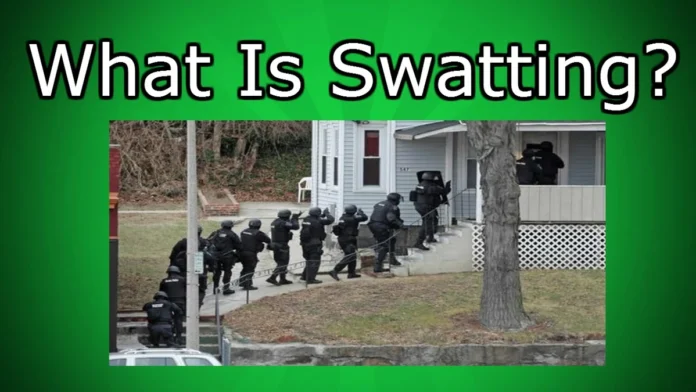
Okay, let’s be real. You’ve probably seen the word “swatting” in the news, maybe connected to some streamer or celebrity. But what is swatting , really? It’s more than just a prank gone wrong; it’s a calculated act of terror that can have devastating consequences. I want to dig into why it happens, how it impacts victims, and what can be done to stop it. Forget the sensationalism; let’s understand the dark reality behind this crime.
The “Why” | Understanding the Twisted Motivation
Swatting isn’t some harmless teenage prank; it’s a deeply disturbing phenomenon rooted in malice and, often, a desire for online clout. Here’s the thing: it involves making a false report to emergency services usually claiming a violent crime is in progress with the intent of triggering a massive police response, specifically a SWAT team. But why do people do it? What fascinates me is the mix of motivations at play. For some, it’s about online notoriety. They want to see their name plastered across social media and news outlets, reveling in the chaos they created. For others, it’s about revenge. Maybe they were wronged in an online game or had a personal vendetta. And, sadly, sometimes it’s just pure, unadulterated cruelty a desire to inflict fear and suffering on innocent people. This disturbing trend has even affected businesses like CVS Pharmacy , causing widespread panic and disruption.
The “How” | A Step-by-Step Guide to Terror
It’s easy to dismiss swatting as some complicated hack, but the reality is often far more straightforward. Swatters typically use techniques like caller ID spoofing to disguise their phone number and make it appear as if the call is coming from the victim’s residence. They might use social engineering to gather information about the victim’s address, family members, and daily routines. Then comes the call itself, a carefully crafted narrative designed to elicit the strongest possible response from law enforcement. They might claim there’s a hostage situation, a shooting, or a bomb threat. The goal is to create a sense of urgency and imminent danger that compels police to deploy a SWAT team without hesitation. And that’s where the real danger begins.
The Devastating Impact on Victims
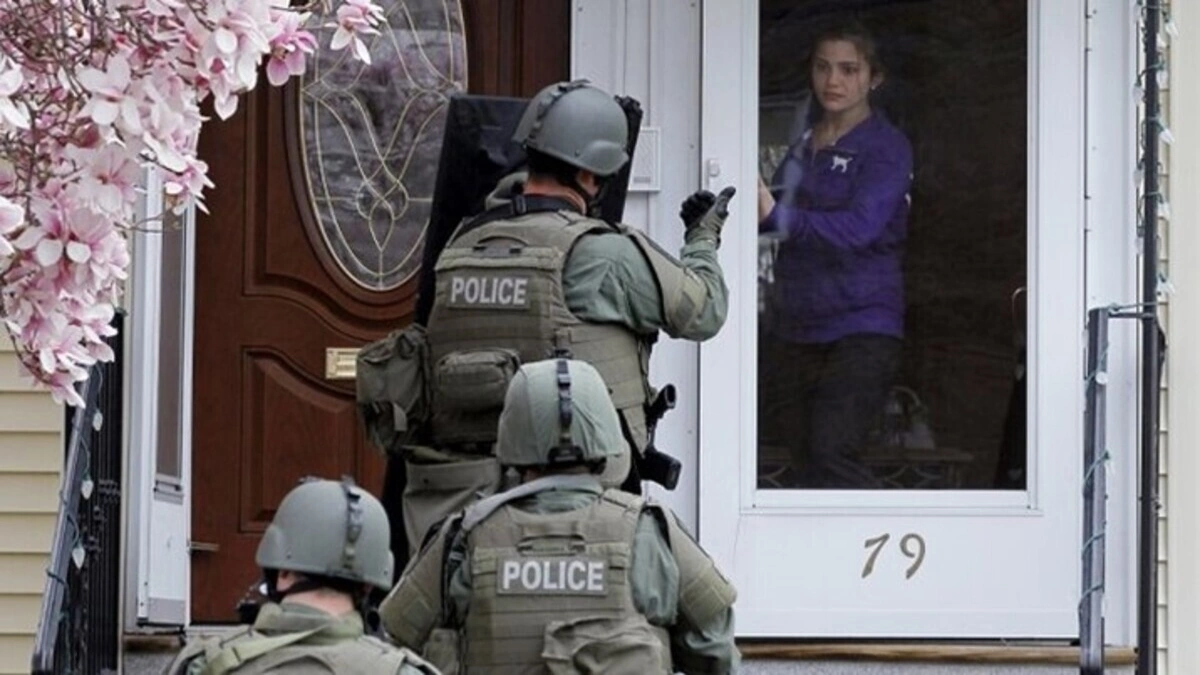
Imagine this: You’re sitting at home, minding your own business, when suddenly your door is kicked down and armed officers are pointing guns at you and your family. That’s the reality of swatting. The emotional trauma can be immense, leaving victims feeling terrified, violated, and deeply distrustful of law enforcement. But it’s not just about the immediate terror. Swatting can also lead to physical harm, even death. There have been cases where innocent people have been shot and killed by police during swatting incidents. And the legal ramifications can be severe, with victims facing arrest, interrogation, and even criminal charges before the truth comes out. It’s a nightmare scenario that no one should ever have to experience.
Beyond the immediate danger, the financial burden can be crushing. Victims often face legal fees, property damage, and the cost of therapy to deal with the trauma. Let me rephrase that for clarity: the ripple effects of swatting extend far beyond the initial incident, leaving lasting scars on victims’ lives.
The Legal Landscape and the Fight Against Swatting
Swatting incidents are a serious federal crime. While many states have specific laws targeting swatting, it can also be prosecuted under existing laws related to making false reports, obstruction of justice, and wire fraud. Penalties can range from hefty fines to lengthy prison sentences, depending on the severity of the incident and the harm caused. The FBI is actively involved in investigating swatting cases, particularly those that cross state lines or involve interstate communication. And here’s the thing: law enforcement agencies are constantly working to improve their response to swatting incidents, developing protocols to better assess threats and verify information before deploying resources. According to the latest reports, these measures are vital for safeguarding communities and preventing potential tragedies, while ensuring that valuable resources are not squandered on false alarms. It is important to be aware of laws to protect public figures. For instance, Representative Ashley Hinson has been the victim of swatting incidents.
Preventing Swatting | What Can Be Done?
So, how do we stop swatting? It’s a complex problem with no easy solutions, but here are a few key strategies. First, we need to raise awareness. Educating the public about the dangers of swatting and the potential consequences can help deter potential perpetrators. Second, we need to strengthen laws and increase penalties for swatting offenses. Making it clear that swatting will not be tolerated can send a strong message to would-be criminals. Third, we need to improve coordination between law enforcement agencies. Sharing information and developing consistent protocols can help ensure that swatting incidents are handled effectively and efficiently. Fourth, we need to provide support for victims of swatting. Offering counseling, legal assistance, and financial aid can help victims recover from the trauma and rebuild their lives. Finally, and this is crucial, we need to address the underlying factors that contribute to swatting, such as online harassment and cyberbullying. Creating a safer and more respectful online environment can help reduce the likelihood of swatting incidents.
FAQ | Swatting – Your Questions Answered
What is the typical motivation behind swatting?
Often, it’s a mix of online notoriety, revenge, or just plain cruelty.
Is swatting a federal crime?
Yes, and it can be prosecuted under various laws, leading to significant penalties.
What can I do if I think I’m being targeted for swatting?
Contact your local law enforcement immediately and provide them with as much information as possible.
How can law enforcement improve their response to swatting?
Better training, improved threat assessment, and enhanced coordination between agencies are key.
What is the role of caller ID spoofing in swatting incidents?
It allows swatters to disguise their number, making it seem like the call is coming from the victim’s location.
What kind of support is available for swatting victims?
Counseling, legal assistance, and financial aid can help victims recover.
Ultimately, fighting swatting requires a multi-pronged approach involving law enforcement, policymakers, and the public. By working together, we can help protect innocent people from this terrifying crime and hold perpetrators accountable for their actions. Let’s be honest: the internet can be a dark place, but it doesn’t have to be. We all have a responsibility to create a safer and more respectful online community. And that starts with understanding the true cost of swatting.


