
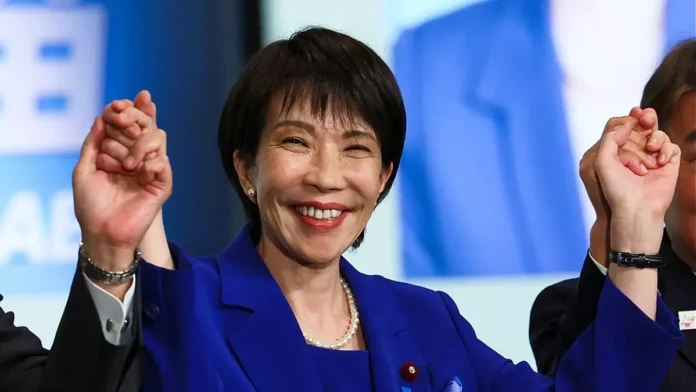
So, you’ve probably seen the name Sanae Takaichi popping up in the news lately. But, let’s be honest, unless you’re a Japanese politics junkie, it might just seem like another name in a sea of politicians. Here’s the thing: Takaichi’s moves and, more importantly, why she’s making them actually signal some pretty significant shifts in Japanese politics, and those shifts can ripple out much further than you think. We’re going to dive deep into the “why” behind the headlines.
I initially thought this was straightforward, another politician vying for power. But then I realized there’s a lot more at stake here than just one person’s ambition. It’s about the future direction of a major global power.
The Ideological Undercurrent | More Than Just Policy
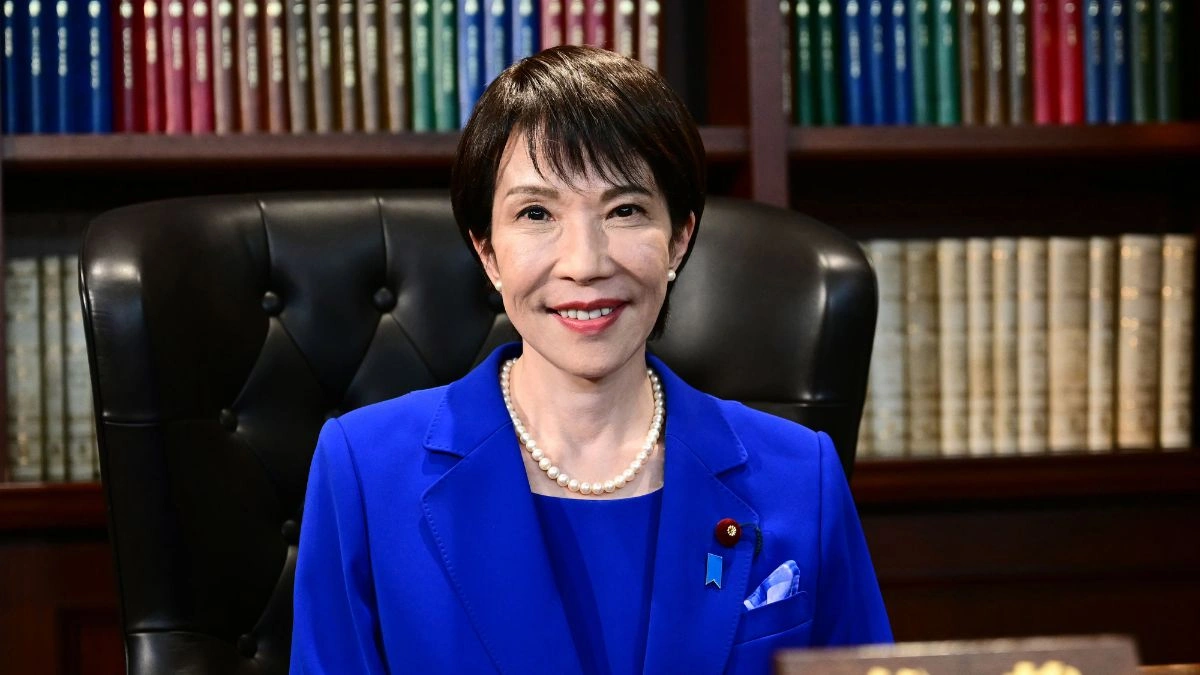
Takaichi isn’t just any politician; she’s a prominent figure within the conservative wing of the Liberal Democratic Party (LDP), the dominant political force in Japan for decades. Her stances on issues like constitutional revision (specifically, Article 9, which renounces war) and historical interpretations are well-known. But what’s the big deal? Well, these positions aren’t just abstract ideas. They reflect a deeper worldview about Japan’s role in the world and its relationship with its past.
Her support for a more assertive foreign policy, for instance, contrasts with the pacifist stance Japan has largely maintained since World War II. This shift could impact everything from regional security to international trade agreements. According to reports from think tanks focusing on East Asian affairs, a change in Japan’s defense posture could lead to increased military spending and a reassessment of alliances.
And that’s where it gets interesting for us here in the US. A stronger, more independent Japan could be a valuable ally, but it also raises questions about the future of the U.S.-Japan security alliance. How will a Takaichi-influenced Japan balance its relationship with the U.S. with its own national interests and its relationships with countries like China and South Korea?
The Gender and Power Dynamic | A Complex Narrative
Now, let’s address the elephant in the room: the gender dynamic. Japan, like many countries, still struggles with gender equality in politics. The fact that Takaichi, a woman, has risen to such a prominent position is noteworthy. But, and this is a big but, it’s not as simple as celebrating a win for women in politics.
Takaichi’s conservative views sometimes clash with feminist ideals. She hasn’t always championed policies that directly advance women’s rights. This creates a complex and, frankly, fascinating narrative. Can a woman advance in politics while holding views that might not align with mainstream feminist thought? What does that say about the compromises and choices women in power often face? The political landscape is constantly evolving and understanding these nuances is key.
Economic Implications | Is Abenomics 2.0 on the Horizon?
Beyond security and social issues, Takaichi’s economic policies also warrant attention. She’s hinted at continuing or even expanding upon Abenomics, the economic policies championed by former Prime Minister Shinzo Abe. This could mean more monetary easing, fiscal stimulus, and structural reforms.
But, here’s the question: will it work? Abenomics had mixed results, and Japan still faces challenges like an aging population and low productivity growth. What changes might Takaichi bring to the table? Will she focus on new technologies, like artificial intelligence and renewable energy, to drive growth? The answers to these questions could have major implications for global markets and supply chains. Think about it: Japan is a major player in the global economy. Changes in its economic policies can affect everything from interest rates to trade flows.
Analyzing her economic strategy involves understanding key concepts such as fiscal policy, monetary easing, and structural reforms. These are the building blocks of any economic plan, and Takaichi’s approach to them will determine the future trajectory of Japan’s economy.
The International Stage | Japan’s Balancing Act
Japan’s relationship with its neighbors, particularly China and South Korea, is always delicate. Takaichi’s views on historical issues could potentially strain these relationships further. At the same time, she recognizes the importance of maintaining economic ties with China, Japan’s largest trading partner.
This balancing act is crucial for regional stability. Japan needs to navigate its security concerns, its economic interests, and its historical sensitivities. How Takaichi handles this will be a key test of her leadership. I’ve seen similar situations play out in other countries, and the key is always open communication and a willingness to compromise. But whether that’s possible in the current geopolitical climate remains to be seen.
According to the Ministry of Foreign Affairs of Japan, the nation is committed to fostering peace and stability in the region. Yet, historical interpretations and territorial disputes often complicate diplomatic efforts.
What’s Next? The Road Ahead
So, what’s the takeaway? Sanae Takaichi’s political ascent is more than just a Japanese news story. It’s a window into the complex forces shaping Japan’s future and, by extension, the world. Whether you’re interested in geopolitics, economics, or social issues, understanding Takaichi’s role is crucial. Keep an eye on her policies, her statements, and her actions. They’ll tell you a lot about where Japan is headed. And that, my friend, is something worth paying attention to. Recent political trends in various countries highlight the importance of informed analysis.
Remember that the situation is constantly evolving, so staying informed is key. For the latest updates, refer to the official government resources and credible news outlets. As per the official website of the Ministry of Foreign Affairs of Japan , Japan aims to play a proactive role in maintaining global peace and stability.
FAQ | Decoding Takaichi Edition
What are Takaichi’s key policy positions?
Takaichi is known for her conservative views, including support for revising the constitution and a more assertive foreign policy. Her economic policies are likely to follow the Abenomics model.
How might Takaichi’s policies affect the U.S.?
A stronger, more independent Japan could be a valuable ally, but it also raises questions about the future of the U.S.-Japan security alliance.
What challenges does Takaichi face?
Takaichi needs to balance Japan’s security concerns, economic interests, and historical sensitivities, while also addressing domestic challenges like an aging population.
Is Takaichi a feminist?
Takaichi’s conservative views sometimes clash with feminist ideals, creating a complex narrative about women in power.
Where can I find more information about Japanese politics?
Follow reputable news sources, academic journals, and think tanks that specialize in Japanese politics and East Asian affairs.
What is constitutional revision and why is it important?
Constitutional revision, specifically Article 9 in Japan, is a debate about potentially altering the country’s pacifist stance, influencing its defense policies and international relations.


