
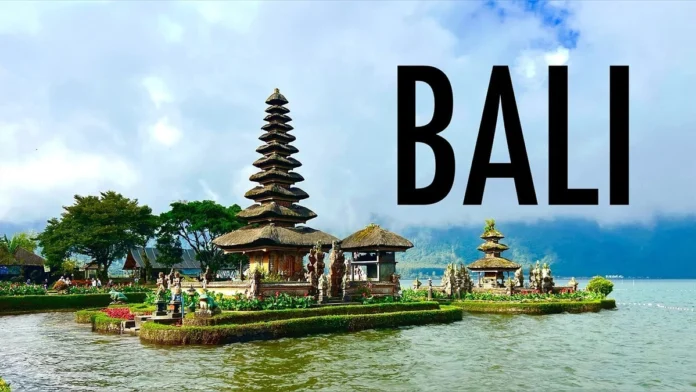
Bali. The name conjures up images of serene beaches, lush rice paddies, and ancient temples. But let’s be honest, a postcard-perfect image only scratches the surface. What fascinates me is why Bali holds such a powerful allure for so many people, year after year. It’s not just a destination; it’s an experience. And understanding the “why” is key to truly appreciating its magic.
The Spiritual Heart of Bali | Why it Matters
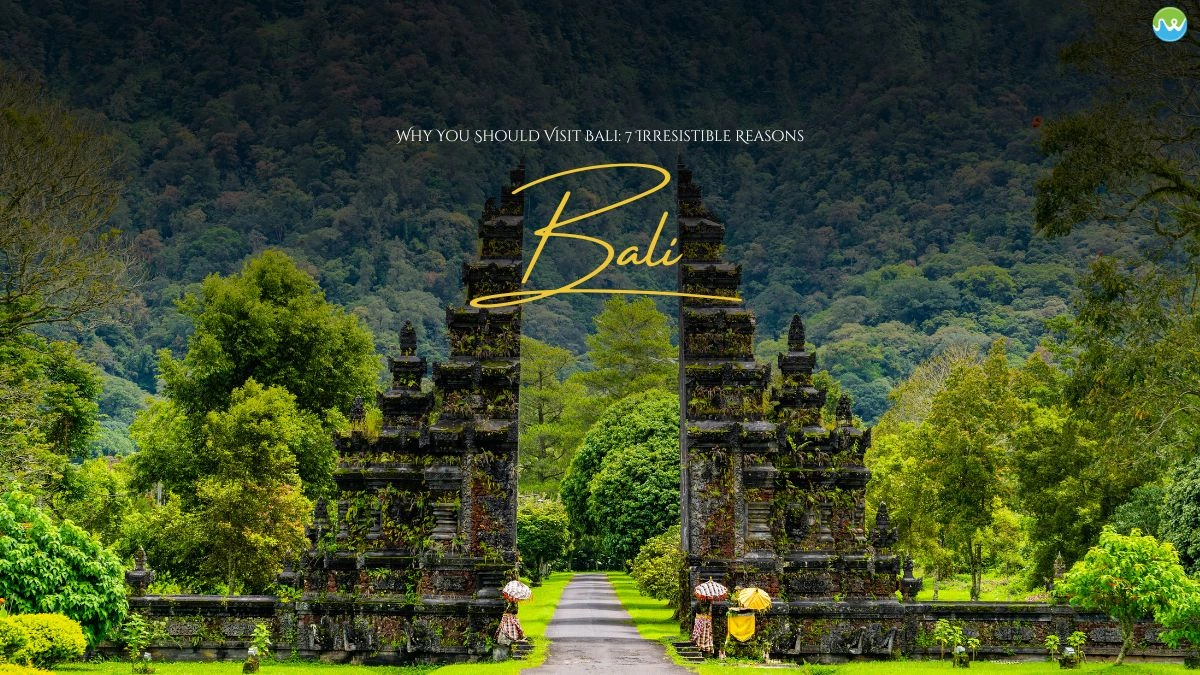
Bali’s deeply ingrained spirituality is arguably its most captivating feature. Hinduism, uniquely intertwined with Balinese traditions, permeates every aspect of life. You see it in the daily offerings (canang sari) meticulously placed everywhere, the vibrant temple ceremonies (odalan), and the profound respect for nature. But it’s not just about aesthetics; it’s about a way of life. This spiritual depth provides a sense of grounding and connection that’s increasingly rare in our fast-paced world. And that, my friends, is a major part of its appeal. The Balinese concept of “Tri Hita Karana,” which emphasizes harmony between humans, nature, and God, is not just a philosophy; it’s a lived reality. It influences everything from architecture to agriculture. Many tourists are drawn to Bali due to the spiritual retreats and opportunity for self-discovery through practices like yoga and meditation.
This profound connection has implications. It affects how the Balinese interact with tourists. It shapes their priorities. And it ultimately defines the island’s unique character. While other destinations focus solely on tourism revenue, Bali strives to maintain a balance between economic prosperity and cultural preservation. It’s not always perfect, of course. But the intention is there, and it makes a difference.
Beyond the Beaches | The Cultural Tapestry
Sure, the beaches are stunning. But to reduce Bali to just its beaches is to miss the entire point. The island’s cultural tapestry is incredibly rich, woven with intricate dances, captivating music, and exquisite artistry. What fascinates me is how these traditions have survived and thrived despite the influx of tourism. The Balinese are masters of adaptation. They’ve managed to incorporate modern influences while preserving their heritage. This resilience is not only impressive but also deeply inspiring.
Take, for example, the traditional Balinese dance. Each movement, each gesture, tells a story. It’s not just entertainment; it’s a living history lesson. The costumes are elaborate, the music mesmerizing, and the performance utterly captivating. Attending a dance performance is an essential cultural experience that will provide a window into Balinese values and narratives. Or consider the art of wood carving. Intricate sculptures, depicting gods, demons, and mythical creatures, adorn temples and homes throughout the island. These carvings are not just decorative; they’re imbued with spiritual significance. They’re a testament to the Balinese reverence for craftsmanship and their deep connection to the natural world.
But what makes Bali truly special is how these cultural traditions are integrated into everyday life. It’s not confined to museums or tourist shows; it’s alive and breathing in the villages, the temples, and the homes of the Balinese people. Experiencing the Balinese culture is an immersive and transformative journey.
The Draw of Nature | Volcanoes, Rice Paddies, and More
Bali’s natural beauty is undeniable. From the majestic volcanoes that dominate the skyline to the emerald-green rice paddies that cascade down the hillsides, the island is a feast for the eyes. But it’s more than just pretty scenery. The natural beauty is intrinsically linked to the island’s spiritual and cultural identity. The Balinese believe that nature is sacred. Mountains, rivers, and forests are all considered to be dwelling places of the gods. The rice paddies, in particular, hold a special significance. They’re not just a source of food; they’re a symbol of life, fertility, and abundance. The intricate irrigation systems (subak) that crisscross the rice terraces are a testament to the Balinese ingenuity and their deep understanding of the natural world.
And then there are the volcanoes. Mount Agung, the island’s highest peak, is considered to be the most sacred place in Bali. It’s believed to be the home of the gods and the center of the universe. Climbing Mount Agung is a pilgrimage for many Balinese people. It’s a way to connect with their ancestors and to seek spiritual guidance.
A common mistake I see people make is only staying in the tourist hotspots like Seminyak or Kuta. Sure, these spots offer convenience and nightlife, but to truly experience Bali, venture into the countryside. Explore the rice terraces of Ubud , hike to a waterfall, or simply wander through a traditional village. You’ll be rewarded with breathtaking scenery and a deeper understanding of the island’s soul.
The Evolving Landscape | Challenges and Opportunities
Let’s be honest, Bali faces its challenges. The rapid growth of tourism has put a strain on the island’s resources. Overcrowding, pollution, and the loss of traditional lands are all pressing concerns. However, what gives me hope is the growing awareness among the Balinese people about the importance of sustainable tourism. There’s a growing movement to promote eco-friendly practices, to protect the environment, and to preserve the island’s cultural heritage. The Balinese government has also implemented stricter regulations to control development and to protect natural resources.
But the future of Bali depends on all of us – tourists and locals alike. We all have a responsibility to travel responsibly, to respect the local culture, and to support sustainable businesses. The future of Bali relies on balancing tourism with environmental and cultural preservation.
The Allure of Bali | A Final Thought
So, why does Bali continue to captivate? It’s not just one thing; it’s a combination of factors. It’s the spiritual depth, the rich culture, the breathtaking nature, and the warmth and hospitality of the Balinese people. It’s a place where you can find adventure, relaxation, and transformation. It’s a place that stays with you long after you’ve left. Bali is a magical place that offers something for everyone. It’s a place where you can reconnect with yourself, with nature, and with something bigger than yourself. And that, in my opinion, is why it’s worth the journey. Yogurt Shop Murders
FAQ About Bali
What is the best time to visit Bali?
The dry season (April to September) is generally considered the best time to visit Bali, with sunny skies and lower humidity. However, it’s also the peak season, so expect larger crowds and higher prices.
What currency is used in Bali?
The currency used in Bali is the Indonesian Rupiah (IDR).
What should I pack for a trip to Bali?
Pack light, comfortable clothing, swimwear, sunscreen, insect repellent, and a hat. If you plan on visiting temples, be sure to bring modest clothing that covers your shoulders and knees.
Is it safe to drink the tap water in Bali?
It’s not recommended to drink tap water in Bali. Stick to bottled water or filtered water.
What are some must-see attractions in Bali?
Some popular attractions include the Uluwatu Temple, Tanah Lot Temple, the rice terraces of Ubud, and the beaches of Seminyak and Canggu. Also, consider visiting Hershey Park Monorail for a different experience.
What is the cost of travel to Bali?
The cost of travel to Bali varies widely depending on your travel style, accommodation preferences, and activities. However, it’s generally considered to be a relatively affordable destination compared to other island paradises.


