
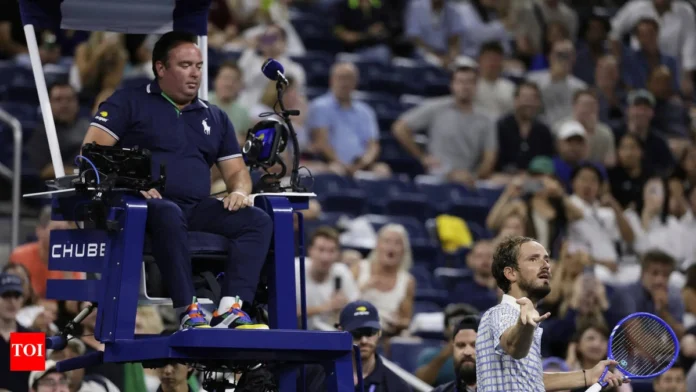
The US Open. Grand Slams. Tennis at its finest. But what happens when the perfectly choreographed ballet of athleticism meets… chaos? We’re not just talking about a bad call or a missed serve. We’re diving deep into the world of fan disruptions at the US Open. These aren’t your run-of-the-mill heckles; they’re strategic, sometimes political, and increasingly prevalent. And here’s the thing: they’re changing the game, both on and off the court.
Why Fan Disruptions Are More Than Just Annoying
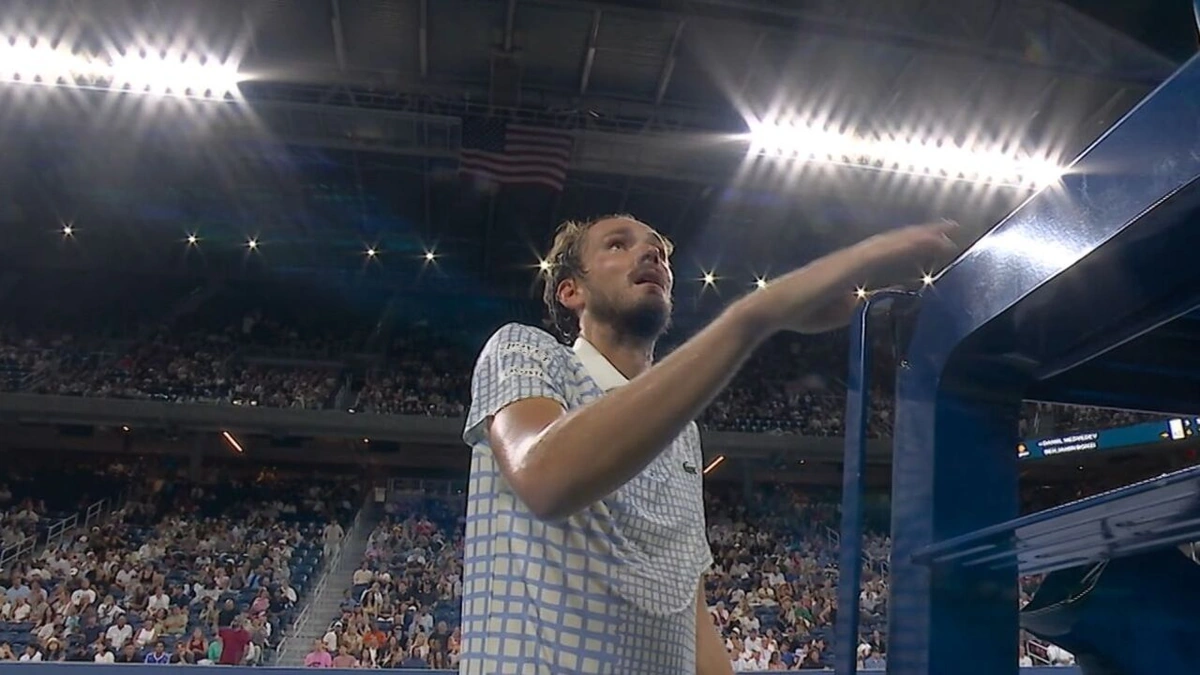
Let’s be honest. A rogue shout during a crucial point is irritating. But the deeper issue? These disruptions are often calculated attempts to hijack the spotlight. Think about it – a protester using a tennis match as a stage. It’s not about the tennis anymore; it’s about the message. These incidents bring into question security protocols, the balance between free speech and public order, and, ultimately, the fan experience. We all remember when Coco Gauff’s semi-final match was delayed due to climate activists. It raises the question about the US Open security and their preparedness. What I find interesting is how the US Open security will handle such situations moving forward.
The Emotional Rollercoaster for Players (and Viewers)
Imagine you’re a player, laser-focused, adrenaline pumping. The crowd’s energy is palpable. Then, suddenly, a shriek, a banner, something completely out of left field. It breaks your concentration. It rattles you. It’s not just a minor inconvenience; it can derail an entire match. The psychological impact on players can be significant, leading to increased anxiety and affecting their performance. And for viewers? The suspense of the match is replaced with a feeling of uncertainty and unease. It’s a frustrating experience when what you really want is to watch some tennis.
The Evolution of Protest | From Heckling to Highly Organized Disruption
This isn’t your grandpa yelling “Get off the court!” This is a new breed of organized protest . Social media has amplified these efforts. Groups coordinate online, choosing specific moments to maximize impact. They research security vulnerabilities. They’re savvier than ever. So, the question becomes: How do you balance the rights of protesters with the need to maintain order and ensure a fair competition? It’s a tough question, and there’s no easy answer.
The Media’s Role | Amplifying or Reporting?
Here’s where things get tricky. The media, understandably, reports on these disruptions. But by doing so, are they inadvertently incentivizing more? It’s a delicate dance. Ignoring the issue isn’t an option, but sensationalizing it could lead to a copycat effect. What’s the line? How do we ensure that the focus remains on the tennis, while still acknowledging the underlying issues these disruptions represent? That is a very good question . One thing is for sure, the media coverage plays a big role in whether these disruptions gain traction or not.
What’s Next? Security Upgrades & The Fan Experience
Expect to see enhanced security measures at future US Opens. More bag checks, stricter rules about what can be brought into the stadium, and increased surveillance. But here’s the challenge: how do you beef up security without turning the fan experience into an airport security line? No one wants to feel like they’re entering a fortress. It’s a balancing act, and it’s one that the US Open and other major sporting events will be grappling with for years to come. According to the USTA, they are reviewing their current policies to make sure there are no future match delays .
Let me rephrase that. The US Open isn’t just about tennis; it’s about the entire experience – the energy, the excitement, the shared sense of community. Fan disruptions threaten that. They introduce an element of uncertainty and anxiety that detracts from the overall enjoyment. It’s no longer about enjoying the match , it becomes about whether or not the match is going to be stopped.
FAQ | Understanding US Open Fan Disruptions
What exactly qualifies as a “fan disruption” at the US Open?
It can range from verbal outbursts and thrown objects to more organized protests involving banners or even attempts to enter the court.
What are the penalties for causing a disruption?
Penalties can include ejection from the venue, fines, and even potential legal charges depending on the severity of the incident. The USTA has the right to ban you from attending all future events.
How does security try to prevent these disruptions?
Security measures include bag checks, surveillance, and increased personnel presence. They also work with local law enforcement.
What if I see someone causing a disruption?
Report it immediately to security personnel. Do not attempt to intervene yourself.
Are there specific rules about what fans can bring into the US Open?
Yes, there are restrictions on items like large bags, outside food and beverages, and items that could be used as projectiles. Check the official US Open website for a complete list.
Has there been an increase in disruptions recently?
While it’s hard to quantify definitively, there’s a growing perception that disruptions are becoming more frequent and organized, fueled by social media and a desire to draw attention to various causes. There’s been a slight rise in the past few years, but the USTA is making sure there are no more incidents .
The US Open, at its core, is about the passion for the game. It’s about the thrill of victory and the agony of defeat. But as the world becomes increasingly complex, it’s also becoming a stage for larger societal issues. Fan disruptions are a symptom of this reality. Navigating this new landscape requires a delicate balance – one that respects free speech, ensures player safety, and preserves the integrity of the sport. And that, my friends, is a challenge worth facing head-on. The future of the sport depends on it. The integrity of the sport is on the line and it’s up to the security officials to prevent these disruptions from occurring.


