
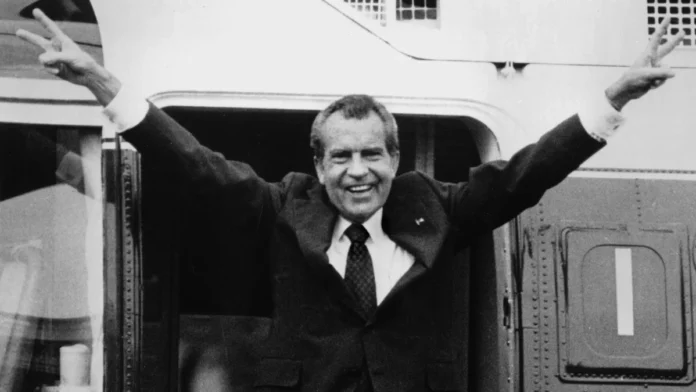
Richard Nixon. The name alone conjures up images of scandal, secret tapes, and a resignation that shook the nation. But, let’s be honest, focusing solely on Watergate is like judging a symphony by a single, off-key note. There’s so much more to the story, and what fascinates me is how his presidency – both its triumphs and its failures – continues to resonate today. This isn’t just history; it’s a lesson in power, politics, and the complexities of the American character.
The Architect of Détente | Nixon’s Foreign Policy Masterclass
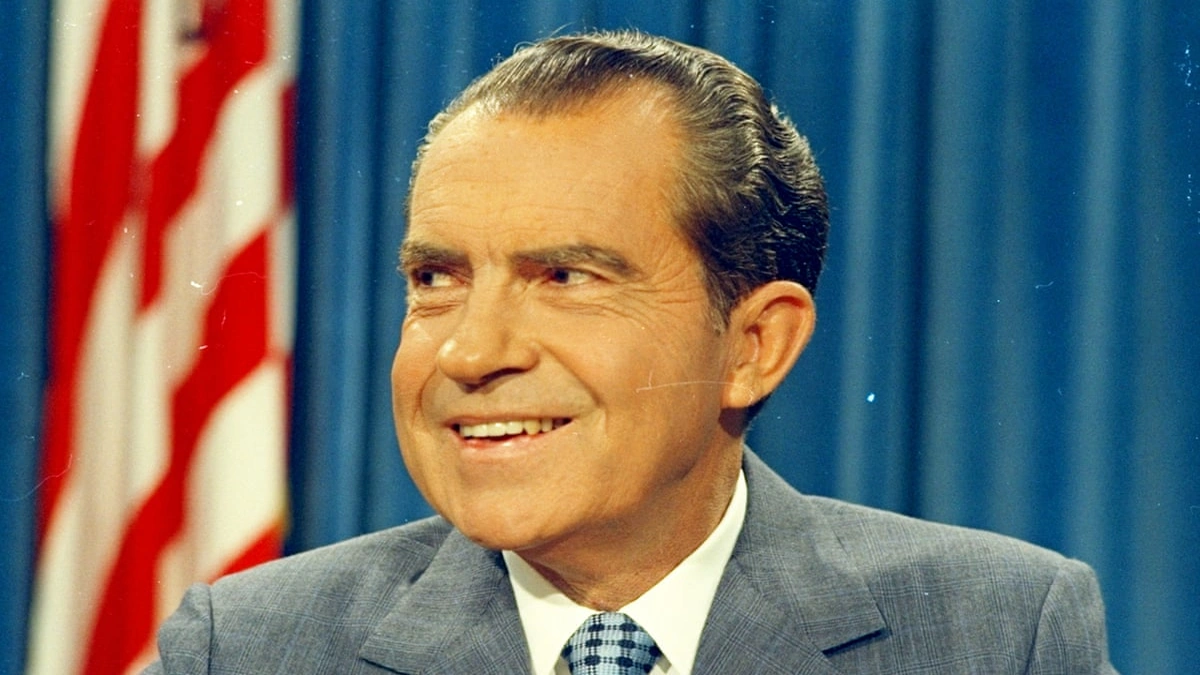
So, what else should we remember? Well, how about the fact that Nixon, the staunch anti-communist, opened relations with China? I initially thought this was just a political stunt, but then I realized the sheer audacity and strategic brilliance of it.Nixon’s visit to Chinain 1972 wasn’t just a photo op; it was a seismic shift in global power dynamics. It forced the Soviet Union to reconsider its relationship with the United States, paving the way for arms control agreements and a period of relative peace known as détente .
And it wasn’t just China. Nixon and his National Security Advisor, Henry Kissinger, skillfully navigated the complexities of the Cold War, engaging in shuttle diplomacy in the Middle East and negotiating arms limitations treaties with the Soviet Union. These weren’t just isolated events; they were part of a larger strategy to manage the rivalry between the superpowers and prevent a catastrophic war. These diplomatic initiatives highlight Nixon’s foreign policy acumen.
Domestic Policy | Beyond the Shadow of Scandal
It’s easy to forget that Nixon also had a significant impact on domestic policy. He created the Environmental Protection Agency (EPA) – yes, that EPA – and signed the Clean Air Act. Think about that for a second. The man forever linked to political corruption also laid the groundwork for some of the most important environmental protections we have today. Let me rephrase that for clarity: Nixon’s domestic policy included landmark environmental legislation.
But, of course, it wasn’t all sunshine and roses. Nixon also oversaw a period of economic turmoil, with rising inflation and unemployment. His attempts to control the economy through wage and price controls proved largely ineffective, and the oil crisis of 1973 further exacerbated the situation. A common mistake I see people make is thinking that Nixon’s economic policies were uniformly successful – they weren’t. He grappled with complex challenges, and his responses were often controversial.
The Legacy of Watergate | Trust and Transparency
Alright, let’s address the elephant in the room: Watergate. There’s no denying that the Watergate scandal was a dark chapter in American history. It exposed a culture of secrecy, paranoia, and abuse of power within the Nixon administration. The break-in at the Democratic National Committee headquarters, the cover-up, and the subsequent investigation led to Nixon’s resignation and a profound loss of trust in government.
But even Watergate, as awful as it was, offers some important lessons. It underscored the importance of a free press, an independent judiciary, and a system of checks and balances. It reminded us that no one, not even the President of the United States, is above the law. And it highlighted the fragility of democracy and the need for constant vigilance. Recent political events underscore the continuous relevance of these lessons.
Nixon’s Complexity | Villain or Visionary?
Here’s the thing: Richard Nixon was a complex and contradictory figure. He was a brilliant strategist and a deeply flawed human being. He achieved remarkable things, but he also made grave mistakes. The one thing you absolutely must remember about Richard Nixon’s presidency is that it defies easy categorization.
Was he a villain? Absolutely, in many respects. His actions during Watergate were inexcusable and deeply damaging to the country. But was he also a visionary? In some ways, yes. His opening to China and his pursuit of détente were bold and transformative initiatives that reshaped the world. Ultimately, Nixon’s legacy is a complicated one, full of contradictions and nuances. And it’s a legacy that continues to shape our understanding of American politics and the presidency.
Nixon’s story offers a powerful reminder that history isn’t black and white; it’s a messy, complicated shade of gray. And understanding that complexity is essential if we want to learn from the past and build a better future. Political rallies and demonstrations often reflect these differing perspectives.
FAQ About Richard Nixon
What was Nixon’s greatest achievement?
Many historians point to Nixon’s opening of relations with China as his greatest achievement.
Why did Nixon resign?
Nixon resigned to avoid impeachment and removal from office due to his involvement in the Watergate scandal.
What was the Watergate scandal about?
The Watergate scandal involved a break-in at the Democratic National Committee headquarters and a subsequent cover-up by the Nixon administration.
Did Nixon know about the Watergate break-in beforehand?
The extent of Nixon’s prior knowledge of the Watergate break-in remains a subject of debate, but evidence suggests he was involved in the cover-up.
What impact did Watergate have on American politics?
Watergate led to increased cynicism and distrust of government, as well as reforms aimed at increasing transparency and accountability.
How is Nixon’s legacy viewed today?
Nixon’s legacy is complex and controversial, with some emphasizing his foreign policy achievements and others focusing on the Watergate scandal.


