
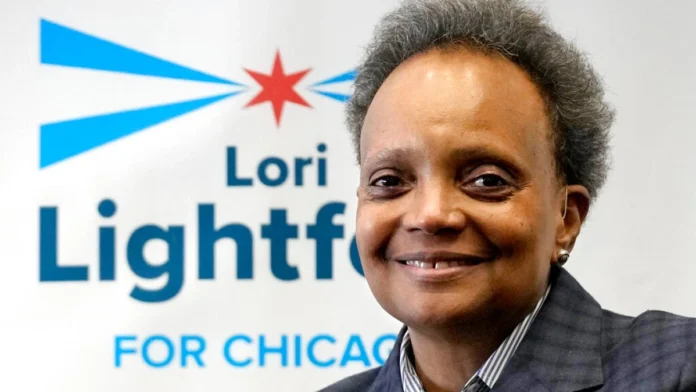
Lori Lightfoot . The name still evokes strong reactions in Chicago, doesn’t it? But let’s be honest, the surface-level narratives often miss the deeper currents. What really happened during her tenure? Why did she face such intense opposition? And what are the lasting lessons for future leaders? That’s what we’re diving into today.
The Rise of an Outsider – And the Challenges It Brought
Lightfoot’s election as Chicago’s first Black female and openly gay mayor was historic, no question. It signaled a hunger for change, a desire to shake up the old guard. But here’s the thing: disrupting the status quo is never easy. Chicago’s political landscape is notoriously complex, a web of entrenched interests and power brokers. Walking into that as an outsider? Well, it’s like trying to navigate a minefield blindfolded. And it became immediately clear that the old guard would not make it easy for her.
Her campaign promises of reform clashed head-on with the city’s deeply ingrained machine politics. She aimed to tackle issues like police reform and corruption, but faced resistance from unions, aldermen, and even within her own administration. The “why” here is crucial: changing established systems requires not just vision, but also an understanding of the intricate power dynamics at play. It’s about building coalitions, forging alliances – something Lightfoot struggled with, according to numerous reports in outlets like the Chicago Tribune. And, let’s be real, those relationships are KEY to pushing through lasting change.
The Pandemic, the Protests, and the Perfect Storm
Then came the pandemic. COVID-19 threw every city into crisis mode, and Chicago was no exception. Lori Lightfoot’s response was… decisive, let’s say. She implemented strict lockdowns, mask mandates, and vaccine requirements. Some praised her leadership as necessary to protect public health; others criticized her approach as heavy-handed and economically damaging. What’s fascinating is that the pandemic response also laid bare existing inequalities in the city. Access to healthcare, economic stability, and even the ability to work from home were unevenly distributed along racial and socioeconomic lines. Her approach was often compared to that of other big city mayors , often unfavorably. This exacerbated existing tensions and fueled further criticism.
And then, the protests. The killing of George Floyd sparked widespread demonstrations across the country, including in Chicago. The demands for police reform intensified, and Lightfoot found herself caught between calls for accountability and the need to maintain order. This is where the “emotional angle” comes in. Imagine the pressure, the weight of those decisions. Trying to balance the safety of the city with the demands for justice? It’s an impossible situation, frankly. The police reform initiatives she championed often failed to satisfy both sides, leading to accusations of being either too lenient or too authoritarian.
The Media Narrative | Fair or Foul?
Here’s the thing that interests me the most: the media coverage. How the media portrayed Lori Lightfoot played a significant role in shaping public perception. Some outlets focused on her policies, analyzing their impact on the city. Others emphasized her personality, often portraying her as abrasive or confrontational. Now, let me rephrase that: While scrutiny is a part of the job, I think her perceived tone often overshadowed the actual policy changes being proposed.
The media’s role is to hold leaders accountable, no doubt. But there’s also a responsibility to provide context, to explain the nuances of complex issues. Did the media always succeed in that regard when it came to Lightfoot’s administration ? That’s a question worth asking. According to analysis of news reports from Northwestern University , she faced disproportionately negative coverage compared to her predecessors. This, in turn, contributed to a climate of distrust and animosity, making it even harder for her to govern effectively.
Lessons Learned | What’s Next for Chicago and Beyond?
So, what’s the takeaway? The Lori Lightfoot story isn’t just about one mayor or one city. It’s about the challenges of leadership in a deeply divided society. It’s about the complexities of reform, the power of entrenched interests, and the influence of the media. And it’s about the need for empathy, understanding, and a willingness to bridge divides. Her legacy will be debated for years to come. And understanding Lightfoot’s Chicago legacy is important.
What fascinates me is this: How can future leaders learn from her experiences? How can they navigate the minefield of modern politics with greater success? Maybe it’s about building stronger coalitions, fostering greater transparency, or developing more effective communication strategies. Or maybe it’s about something even deeper: a fundamental shift in how we approach politics itself, a move away from division and towards collaboration. According to a study by the University of Chicago’s Harris School of Public Policy , fostering community engagement is key to effective governance.
Ultimately, the story of Lori Lightfoot is a cautionary tale, a reminder that change is never easy. But it’s also a story of hope, a testament to the power of one person to challenge the status quo and strive for a better future. And even in failure, there’s opportunity to learn from mistakes, and create a more just and equitable society for all.
FAQ | Understanding Lori Lightfoot’s Tenure
What were some of Lori Lightfoot’s key policy initiatives?
Lightfoot focused on police reform, affordable housing, and investing in underserved communities. She also championed initiatives to increase transparency and accountability in city government.
Why did Lori Lightfoot face so much opposition?
Her outsider status, clashes with unions and aldermen, and the challenges of navigating the pandemic and protests contributed to significant opposition.
How did the media portray Lori Lightfoot?
Some argue that the media coverage was disproportionately negative, focusing on her personality and tone rather than her policies.
What is Lori Lightfoot doing now?
As of now, Lori Lightfoot is a professor at Harvard University, where she teaches about urban leadership and public policy.
What will be Lori Lightfoot’s lasting legacy in Chicago?
Her legacy is complex and will be debated for years to come, but she will be remembered as the first Black female and openly gay mayor of Chicago, who attempted to shake up the city’s political establishment.


