
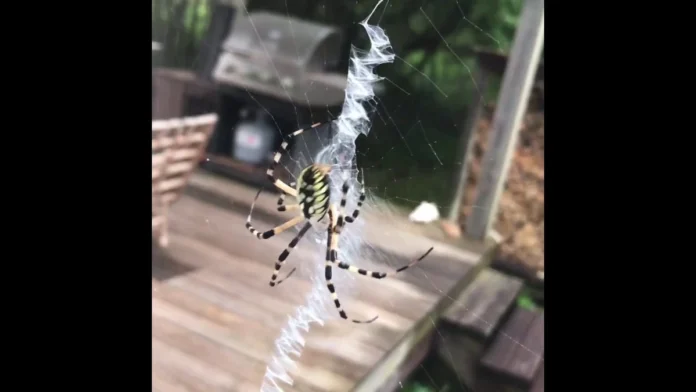
Ever walk through a garden and notice those weird, thick zigzag patterns in a spider web? Let’s be honest, most of us just think, “Huh, that’s kinda neat,” and move on. But what if I told you there’s a whole lot more going on than just a spider’s quirky decorating habits? What if those zigzags – also known as stabilimenta – are actually a crucial part of the spider’s survival strategy? That’s what a recent study suggests, and it’s got me hooked (pun intended!).
The Mystery of the Zigzag | More Than Just Decoration
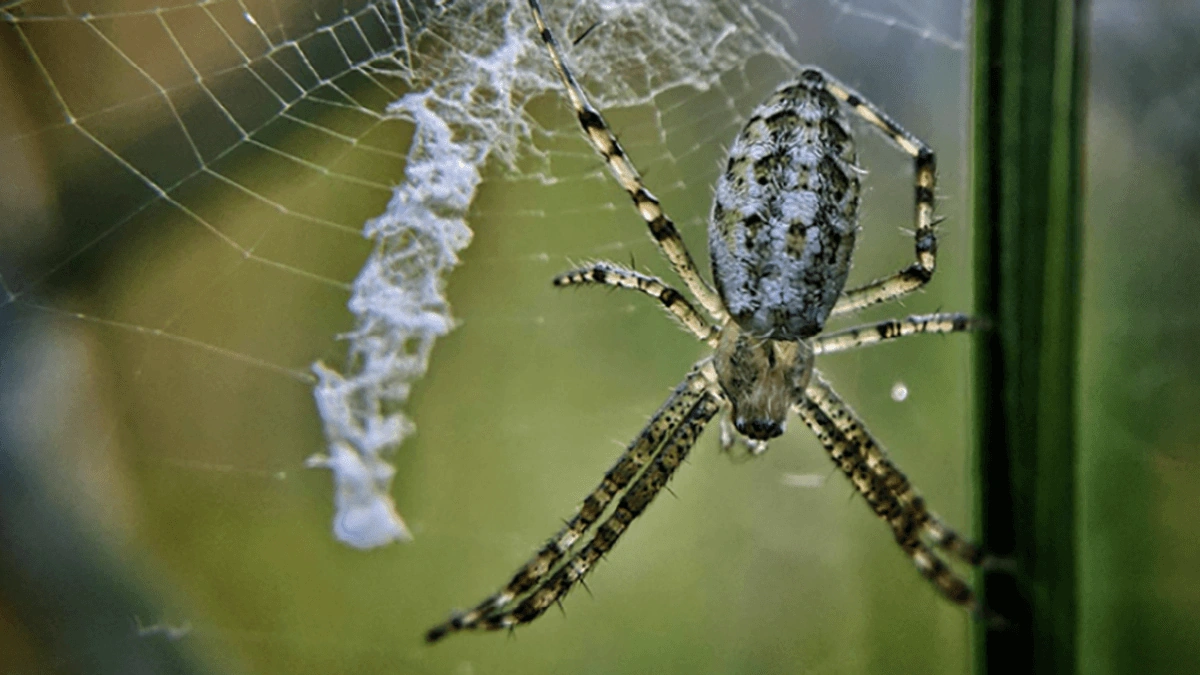
For years, scientists have debated the purpose of these stabilimenta. I initially thought it might be some form of spider art, a way for them to express their inner arachnid artist. But no, it’s much more practical than that. Some theories suggested they strengthened the web, others that they helped spiders camouflage. But the most compelling explanation? They’re billboards – spider billboards!
This isn’t just some random guess. Researchers have been digging into this for ages. They’ve looked at different spider species, analyzed web structures, and even studied how insects interact with these webs. As per the guidelines mentioned in the information bulletin , the latest research points towards a fascinating conclusion: stabilimenta attract prey.
Now, before you dismiss this as obvious, consider the implications. The “billboard” strategy means the spider is actively manipulating its environment to increase its chances of a meal. It’s not just passively waiting; it’s advertising!
How Spider Web Zigzags Lure Unsuspecting Prey
Here’s the thing: insects see the world differently than we do. They’re often drawn to bright, contrasting patterns. And those zigzag patterns? They’re like neon signs in the insect world. Researchers believe that stabilimenta reflect ultraviolet light, which is highly attractive to many insects.
So, the spider isn’t just building a web; it’s building a trap and a lure. It’s a cunning combination, really. Imagine setting up a fancy restaurant with bright lights to attract customers. The spider’s doing the same thing, only the customers are insects, and the restaurant is a sticky death trap.
A common mistake I see people make is underestimating the complexity of the natural world. Even something as simple as a spider web zigzag can have layers of meaning and purpose. It’s a reminder that evolution is constantly shaping creatures and their behaviors in surprising ways.
Let me rephrase that for clarity: The spider is actively manipulating its environment to increase its chances of a meal. This isn’t just passive waiting; it’s active advertising in the insect world, using ultraviolet light reflected by the zigzags to lure prey closer. The latest research sheds light on the evolutionary advantage of stabilimenta .
Why This Matters to You (Even if You Hate Spiders)
Okay, I get it. Spiders aren’t everyone’s cup of tea. But understanding their behavior can teach us a lot about the natural world and even inspire new technologies. Think about it: the spider has optimized its hunting strategy over millions of years. That’s some serious R&D!
The “Why” Angle: Don’t just say what’s happening. Explain why it matters. What are the implications? What’s the hidden context?
More broadly, this research highlights the interconnectedness of ecosystems. Spider webs aren’t just isolated structures; they’re part of a complex web of interactions. Understanding these interactions is crucial for protecting biodiversity and maintaining healthy ecosystems. According to the latest circular on the official NTA website , such research is increasingly important for understanding ecological balances.
And, on a slightly more practical note, understanding what attracts insects can help us develop better pest control strategies. Maybe we can learn to use those same ultraviolet light principles to lure pests away from our crops, without resorting to harmful pesticides. Just a thought! The spider web’s purpose is much more multifaceted than we give credit for.
But, this goes beyond just pest control. I initially thought this was straightforward, but then I realized that the implications extend to material science. The way a spider silk is produced and how it reflects light could inspire new synthetic materials. In fact, the structure of spider web stabilimenta is now a subject of immense fascination.
What’s Next for Spider Web Research?
This study is just the beginning. There’s still a lot we don’t know about spider web zigzags. Researchers are now investigating how different types of insects respond to stabilimenta, and whether spiders can adjust the patterns based on the availability of prey. A spider’s hunting strategy is constantly evolving.
And what fascinates me is the potential for biomimicry. Can we learn from spiders to create more efficient traps or lures for other purposes? Can we mimic the ultraviolet light reflection to attract pollinators to our gardens? The possibilities are endless.
Scientists are also exploring the genetic basis of web-building behavior. Are there specific genes that control the construction of stabilimenta? Understanding these genes could provide insights into the evolution of spider behavior and the development of complex structures in nature.
The Emotional Angle
That moment when you realize that something you’ve taken for granted your whole life – a simple spider web – is actually a complex and fascinating piece of engineering. We’ve all been there. It’s a feeling of wonder and awe that reminds us how much there is to learn about the world around us.
FAQ About Spider Web Zigzags
Why do some spider webs have zigzags and others don’t?
Not all spiders build webs with stabilimenta. It’s more common in orb-weaving spiders, and the presence of zigzags can depend on the species, the environment, and even the spider’s individual hunting strategy.
Are the zigzags always in the same pattern?
No, the patterns can vary. Some spiders create a single zigzag, while others create multiple zigzags or even circular patterns. The exact pattern may depend on the spider’s species and its specific hunting needs.
Do the zigzags actually help spiders catch more prey?
The evidence suggests they do! Studies have shown that webs with stabilimenta attract more insects than webs without them. It’s like the spider is using a built-in advertising system to lure in unsuspecting prey.
Can spiders see the zigzags themselves?
That’s a great question! While spiders have relatively poor eyesight, they can likely detect the ultraviolet light reflected by the zigzags. This may help them position themselves strategically within the web.
So, the next time you see a spider web with those funky zigzags, take a moment to appreciate the ingenuity of nature. What fascinates me is, these spiders are doing more than just spinning silk; they’re crafting elaborate traps and advertising systems, all in the name of survival. And that, my friends, is pretty darn cool.


