

Okay, folks, let’s dive into something truly fascinating. We all know about the mighty killer whale, or orca , and the infamous great white shark . But what happens when these two apex predators cross paths? It’s not just a simple fish-eat-fish scenario; it’s a complex, and sometimes deadly, dance of power and survival. Forget the documentaries for a minute; we’re going to break down why this matters and what it reveals about the ocean’s intricate food web.
Why This Matters | More Than Just a Fight
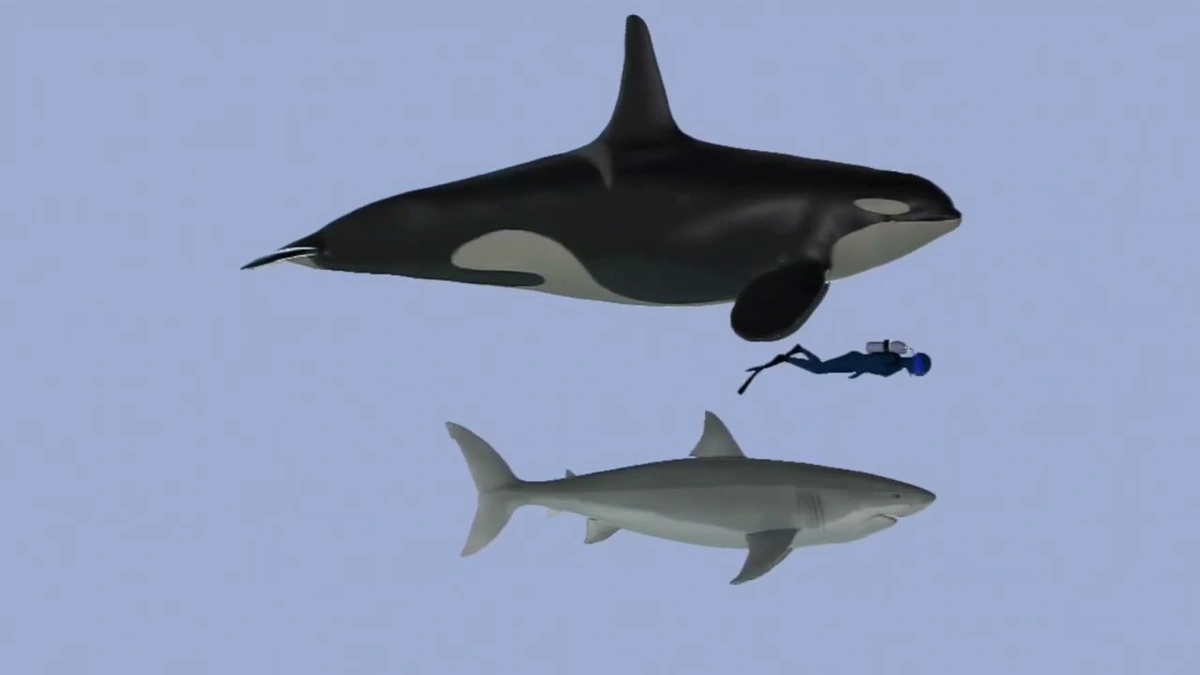
Here’s the thing: Orca vs. Great White isn’t just about who’s tougher. It’s a window into understanding marine ecosystems. When orcas target great whites, it can drastically alter shark behavior and distribution. Think about it – if the top predator is being hunted, it changes everything downstream. This has huge implications for other species and even coastal communities. This interaction highlights the delicate balance of marine ecosystems .
But why would orcas even bother hunting great whites? Well, for one, shark livers are incredibly nutritious , packed with energy-rich squalene. It’s like the ultimate power snack for these marine mammals. Orcas are smart and efficient hunters; they’re not just looking for a meal, they’re looking for the best meal.
The How | Orca Hunting Tactics
So, how do orcas actually take down a great white? It’s not a fair fight, let’s be honest. Orcas work in pods, using coordinated strategies that are both terrifying and awe-inspiring. One common tactic involves ramming the shark at high speed, stunning or even killing it instantly. Another, even more gruesome method, involves flipping the shark upside down. This induces a state called tonic immobility, effectively paralyzing the shark. Then, they can feast at their leisure .
And, trust me, they know exactly what they’re doing. They aren’t wasting energy on the muscle of the shark; they are going straight for that nutrient-rich liver . It’s a calculated, surgical strike. As perWikipedia, Orcas are apex predators and have a varied diet.
An Emotional Angle | Fear and Flight
Imagine being a great white, the terror of the ocean, suddenly finding yourself on the menu. The stress! The anxiety! Studies have shown that great whites will actively avoid areas where orcas have been spotted hunting. They’ll change their migration patterns, abandon their feeding grounds – anything to avoid becoming lunch. Think about the sheer terror of being a feared predator that is suddenly running scared.
But here’s what gets me. It’s not just about survival; it’s about the ripple effect. When great whites flee, what happens to the seals, sea lions, and other creatures they normally hunt? The whole ecosystem shifts. It’s a reminder that everything is interconnected and that even the most formidable creatures are vulnerable. This highlights the power of orca predation .
Geographic Hotspots | Where Battles Occur
While these encounters aren’t exactly common, certain regions are hotspots for this unusual predator-prey relationship. The waters off the coast of California, South Africa, and Australia have all witnessed these epic clashes. These are areas where both orcas and great whites frequent, leading to inevitable, and often dramatic, confrontations.
A common mistake I see people make is assuming that these are random encounters. But the evidence suggests that some orca populations have developed a taste for shark liver and are actively hunting them. These specialized hunting strategies are passed down through generations, making them incredibly effective. According to the latest research, orca predation impacts shark populations significantly.
Future Implications | What Does This Mean for the Ocean?
Let’s be honest, this is more than just a cool nature documentary waiting to happen. The interactions between orcas and great whites are reshaping our understanding of marine ecosystems. As climate change and human activities continue to impact the ocean, these predator-prey dynamics are likely to become even more complex.
What fascinates me is the potential for long-term consequences. Will great white populations decline? Will other shark species fill the void? Will orcas become even more specialized hunters? These are all questions that scientists are actively investigating. And the answers could have profound implications for the health and stability of our oceans. It’s best to keep checking reputable scientific publications for the latest findings.
It’s really important to consider the effect on overall shark numbers.
FAQ Section
What makes orcas such effective hunters?
Orcas are incredibly intelligent, social animals that hunt in coordinated pods. They use sophisticated strategies to take down prey much larger than themselves.
Why do orcas target great white sharks’ livers?
Shark livers are extremely rich in energy, providing orcas with a high-calorie meal that’s worth the effort of the hunt.
Are great white sharks endangered because of orca predation?
While orca predation can impact local great white populations, it’s not the primary threat to their overall survival. Overfishing and habitat destruction are bigger concerns.
Can great white sharks fight back against orcas?
Great whites are formidable predators, but they are generally no match for a coordinated orca pod. They typically choose to flee rather than fight.
Where are these orca vs great white encounters most likely to occur?
The waters off California, South Africa, and Australia are known hotspots where both species overlap.
How does this predator-prey relationship affect the marine ecosystem?
Orca predation can alter shark behavior and distribution, leading to cascading effects on other species and the overall balance of the ecosystem.
So, there you have it. The epic showdown between orcas and great whites is more than just a battle of titans. It’s a crucial piece of the puzzle in understanding the complex and ever-changing dynamics of our oceans. And that, my friends, is something worth thinking about.


