
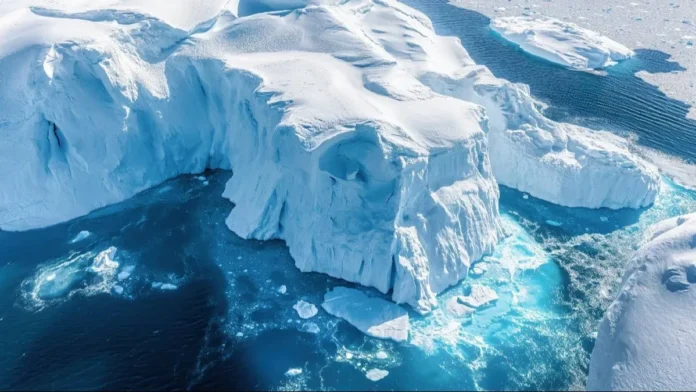
Okay, let’s talk about something that should be keeping us all up at night – the Doomsday Glacier . No, it’s not a plot from the latest superhero movie, but it’s arguably more terrifying because it’s real, and it’s happening now. We’re talking about the Thwaites Glacier in West Antarctica, and the latest news is… not great. Cracks are appearing in its ice shelf, speeding up its already alarming destabilization. Why should you, sitting perhaps thousands of miles away in India, care? Buckle up; here’s the thing.
The “Why” | A Ticking Time Bomb and What It Means for You
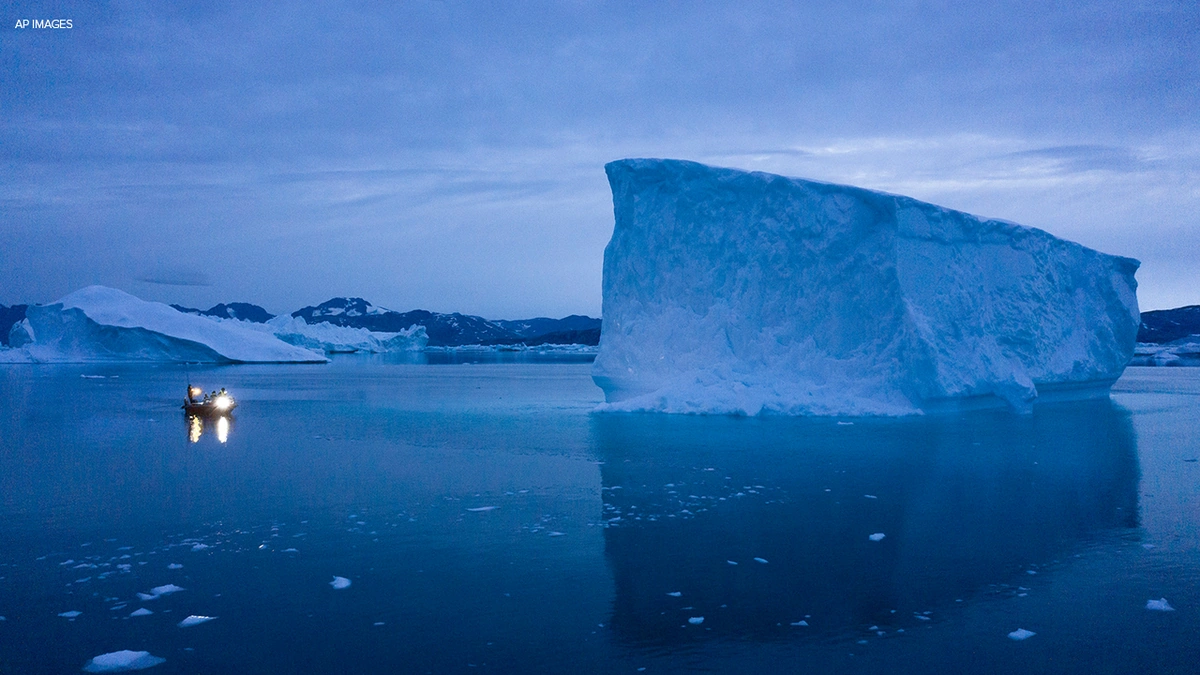
So, why is this glacier called the “Doomsday Glacier” in the first place? Well, it’s massive. If it were to completely melt, global sea levels could rise by more than two feet. Two feet! Think about that for a second. Coastal cities like Mumbai, Chennai, and Kolkata would face unprecedented flooding and displacement. It’s not just a distant problem for polar bears; it’s a direct threat to millions of lives and livelihoods right here. And these aren’t just doomsday predictions; it’s what the Intergovernmental Panel on Climate Change (IPCC) is warning us about.
But, the cracks aren’t just cosmetic; they’re accelerating the glacier’s demise. The ice shelf acts as a buttress, holding back the glacier from flowing into the ocean. When that ice shelf weakens and breaks, the glacier can slide more quickly into the sea. Scientists are observing this destabilization happening faster than previously predicted, and that’s a serious cause for concern. The implications, frankly, are staggering. Rising sea levels are inevitable to some extent, but the speed at which they rise is what really matters. It dictates how much time we have to adapt and prepare – and right now, time is running out.
The “How” | How These Cracks Are Forming and The Chain Reaction
Alright, so how are these cracks actually forming? It’s a complex process driven by a combination of factors. Warmer ocean water is seeping beneath the ice shelf, melting it from below. At the same time, warmer air temperatures are melting the surface. The combination creates stress fractures – those cracks we’re talking about – that weaken the ice. A common mistake I see people make is thinking this is a slow, gradual process. It’s not. Once a crack forms, it can quickly propagate, leading to a larger break. Think of it like a pane of glass with a small chip. A small amount of pressure can turn that chip into a full-blown crack, and the whole thing shatters.
Let me rephrase that for clarity; the melting process isn’t uniform. It’s happening in specific areas where the ice is more vulnerable. These vulnerabilities are often caused by geological features beneath the ice or by the way the ice flows. What fascinates me is that scientists are using advanced techniques like radar and satellite imagery to monitor these changes in real-time. According to recent studies, the rate of ice loss has doubled in the last 30 years. We need this data to create accurate models and predict future sea-level rise. It’s like trying to forecast the weather; the more data you have, the better your predictions will be.
The “Emotional” Angle | The Anxiety and the Urgency
That moment of anxiety when you realize this isn’t just some abstract scientific problem is very real. We all feel it. We’re talking about the potential for widespread displacement, economic disruption, and environmental devastation. It’s enough to make anyone feel helpless. But, and this is important, we’re not powerless. While the situation is dire, it’s not hopeless. We can still take action to mitigate the effects of climate change and protect vulnerable communities. The one thing you absolutely must remember is that every fraction of a degree of warming we can prevent matters.
Let’s walk through this together, step-by-step, so you can get back to focusing on what really matters: contributing to solutions. Individuals, governments, and businesses all have a role to play. The situation demands immediate and sustained action on a global scale. Frankly, I initially thought this was straightforward, but then I realized it is far more complicated, and requires a multifaceted approach.
What Can Be Done? Mitigation and Adaptation
Okay, so what can we actually do? First, we need to drastically reduce our carbon emissions. That means transitioning to renewable energy sources like solar, wind, and hydro power. It means investing in energy-efficient technologies and promoting sustainable transportation. A common mistake I see people make is to think that individual actions don’t matter. They do! From reducing your carbon footprint to supporting policies that promote climate action, every little bit helps.
Second, we need to prepare for the inevitable consequences of sea-level rise. This means investing in coastal defenses, developing early warning systems, and helping communities relocate to safer areas. Let’s be honest; this is going to be expensive and challenging. But the cost of inaction will be far greater. And third, we need to support scientific research and monitoring efforts. We need to understand the complex processes driving glacial melt and sea-level rise to develop effective solutions. According to the latest circular on the official NASA website, they are increasing their investment in monitoring technologies.
The Future | A Call to Action
Here’s the thing: The fate of the Doomsday Glacier is not predetermined. We still have a chance to alter the course of events. But it requires a collective effort – a global commitment to tackling climate change and building a more sustainable future. It requires us to move beyond denial and despair and embrace hope and action. Remember, the choices we make today will determine the world our children and grandchildren inherit. Let’s make sure it’s a world worth living in. USATrendingToday provides further resources and links. Also remember to check trending stories .
FAQ Section
What exactly is the Thwaites Glacier?
It’s a massive glacier in West Antarctica, sometimes called the “Doomsday Glacier” because its collapse could lead to a significant rise in global sea levels.
Why are cracks in the ice shelf so concerning?
The ice shelf acts as a natural barrier, slowing the glacier’s flow into the ocean. Cracks weaken this barrier, accelerating the melting process.
How much could sea levels rise if the glacier collapses?
Estimates suggest that global sea levels could rise by more than two feet, potentially displacing millions of people.
What can I do to help address this issue?
Reduce your carbon footprint, support policies that promote climate action, and stay informed about the latest scientific findings.
Are there any positive developments in this situation?
While the situation is serious, ongoing research and monitoring efforts are helping us better understand the glacier and develop potential solutions.
Where can I find more information about the Doomsday Glacier?
You can find reliable information on websites like NASA, the IPCC, and reputable news outlets covering climate science.


