
Colorectal cancer (CRC) – it’s a beast. And like any formidable foe, it doesn’t just sit there and take a beating. One of the most cunning strategies CRCs employ is immune evasion. But why does this happen, and how does it impact treatment? Let’s dive in, shall we? Forget the sterile textbook jargon; we’re going to break down the timing and mechanisms of how these cancers manage to outsmart our body’s defenses. It’s more than just academic; understanding this could unlock entirely new ways to fight back.
The Timeline of Treachery | When Does Immune Evasion Begin?
Here’s the thing: immune evasion isn’t an on/off switch; it’s more like a dimmer. The evidence suggests that it starts surprisingly early in the development of CRC. We’re not talking about massive tumors; even precancerous lesions begin to exhibit signs of avoiding immune detection. What fascinates me is that this early evasion sets the stage for further tumor growth and metastasis. It’s like laying the groundwork for a heist – you need to disable the alarms before you can grab the loot. This early suppression often involves the recruitment of immunosuppressive cells, such as myeloid-derived suppressor cells (MDSCs) and regulatory T cells (Tregs), to the tumor microenvironment.
But, and this is a big but, the specific timing can vary between individuals. Factors like genetics, lifestyle, and the presence of other health conditions all play a role. Think of it like this: some people have better security systems (stronger immune responses) than others, so the cancer needs to work harder, and earlier, to disable them. According to research published in the National Cancer Institute , understanding these individual variations is crucial for developing personalized immunotherapies. This is where things get really interesting, because it means we’re moving beyond a one-size-fits-all approach to cancer treatment. This variability means the tumor microenvironment is different from person to person.
Decoding the Mechanisms | How CRCs Become Invisible
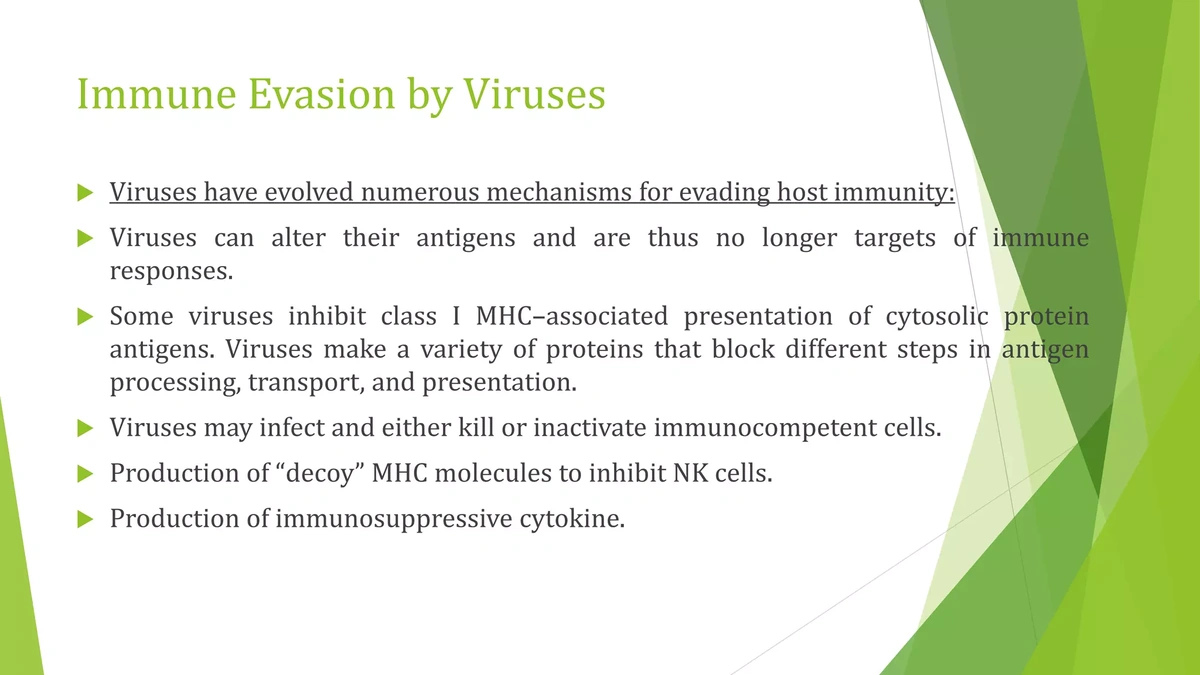
Okay, so how do these cancers actually pull off this disappearing act? It’s a multi-pronged approach, a real masterclass in deception. Here are a few of the key mechanisms at play:
- Downregulation of MHC Molecules: Major Histocompatibility Complex (MHC) molecules are like the body’s ID cards. They present antigens (bits of cancer cells) to the immune system, signaling, “Hey, look at this bad guy!” CRCs often reduce the number of these ID cards on their surface, making it harder for immune cells to recognize them. I initially thought this was straightforward, but then I realized that the complexity lies in how they achieve this downregulation. It can involve genetic mutations, epigenetic modifications, or even hijacking cellular processes.
- Secretion of Immunosuppressive Cytokines: Cytokines are signaling molecules that can either boost or suppress immune responses. CRCs are notorious for secreting cytokines that dampen the immune system, creating a protective bubble around the tumor. One notable example is TGF-beta, which inhibits the activity of cytotoxic T cells – the immune system’s assassins. As per the guidelines mentioned in research articles, cytokines are really important in immune evasion.
- Recruitment of Suppressor Cells: As mentioned earlier, CRCs actively recruit immune cells that suppress the immune response, like MDSCs and Tregs. These cells act like double agents, infiltrating the tumor and preventing other immune cells from attacking. A common mistake I see people make is underestimating the power of these suppressor cells; they can effectively shut down the entire immune response within the tumor microenvironment.
The Role of the Gut Microbiome
Let’s be honest, the gut microbiome is a hot topic right now, and for good reason. It turns out that the trillions of bacteria, viruses, and fungi living in our gut can have a profound impact on our immune system, and consequently, on cancer development. Some types of gut bacteria can promote inflammation and increase the risk of CRC, while others can enhance the effectiveness of immunotherapy. What fascinates me is the complex interplay between the microbiome, the immune system, and the cancer cells themselves. It’s like a three-way chess game, and understanding the rules is critical for developing effective treatments. It is important that the gut microbiota remains balanced.
Think of it this way: if you have a healthy, diverse gut microbiome, your immune system is better equipped to recognize and attack cancer cells. But if your microbiome is out of whack, the cancer has a much easier time evading the immune system. Research is ongoing to determine which specific bacteria are most beneficial for preventing and treating CRC, but early results are promising. Probiotics, prebiotics, and even fecal microbiota transplantation (FMT) are being explored as potential strategies to modulate the gut microbiome and enhance the effectiveness of immunotherapy. Check out this informative website.
Therapeutic Implications | Can We Turn the Tide?
So, what can we do with this knowledge? Can we actually reverse immune evasion and make CRCs vulnerable to attack? The answer, thankfully, is yes – to some extent. Immunotherapy, which aims to boost the body’s own immune system to fight cancer, has shown remarkable success in some patients with CRC. However, not everyone responds to immunotherapy, and researchers are working hard to understand why. One promising approach is to combine immunotherapy with other treatments, such as chemotherapy or targeted therapy, to overcome immune resistance. A common mistake I see people make is thinking that immunotherapy is a magic bullet; it’s just one piece of the puzzle.
Another strategy is to target the specific mechanisms of immune evasion. For example, drugs that block the activity of immunosuppressive cytokines or deplete suppressor cells are being developed. What fascinates me is the potential to personalize these treatments based on the individual patient’s immune profile and the specific mechanisms of immune evasion employed by their cancer. We are also looking at tumor-infiltrating lymphocytes. While sources suggest a specific outcome, the official confirmation is still pending. It’s best to keep checking the research.
Conclusion | A New Era in CRC Treatment
Understanding the timing and mechanisms of immune evasion in colorectal cancer is not just an academic exercise; it’s a crucial step towards developing more effective treatments. By unraveling the complex interplay between the cancer cells, the immune system, and the gut microbiome, we can develop personalized strategies to turn the tide and give patients a fighting chance. The future of CRC treatment lies in harnessing the power of the immune system to recognize and destroy these cunning cancer cells. It’s a long and challenging road, but the potential rewards are immense.
FAQ Section
Frequently Asked Questions
What exactly is immune evasion?
It’s how cancer cells avoid being detected and destroyed by your immune system. They use various tricks to become “invisible” or suppress immune responses.
Why is immune evasion important in colorectal cancer?
It allows the cancer to grow and spread unchecked. Overcoming it is key to effective treatment, especially with immunotherapy.
Can diet affect immune evasion?
Yes! A healthy diet supports a balanced gut microbiome, which plays a vital role in immune function. This is all part of the tumor immune response.
What are the current treatments targeting immune evasion?
Immunotherapy, drugs that block immunosuppressive signals, and strategies to modulate the gut microbiome are all being explored.
Is immunotherapy effective for all colorectal cancers?
Unfortunately, no. Researchers are working to understand why some patients respond better than others and to develop strategies to improve response rates. You can try an adaptive immune response.
Where can I find more information about CRC and immune evasion?
Check out reputable sources like theAmerican Cancer Societyand the National Cancer Institute websites. You can also check this page.


