

The Indian economy, a complex beast at the best of times, often feels like it’s sending mixed signals. We hear about GDP growth figures, but then we see job losses and rising prices. Here’s the thing: it’s not always a contradiction. What fascinates me is how the stock market’s performance can sometimes be completely divorced from the everyday realities faced by most people. And that’s precisely what we’re seeing now.
The Disconnect | A Two-Tiered Economy?
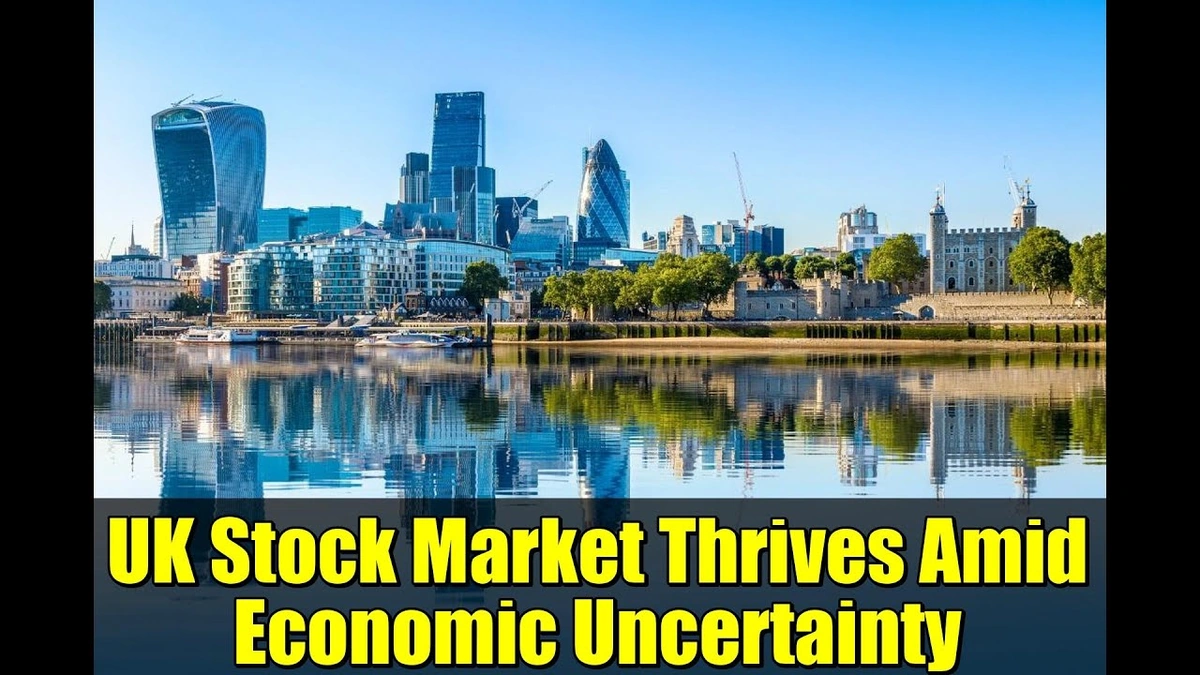
So, why is the stock market soaring when the average person is struggling to make ends meet? The short answer: the stock market isn’t the economy. It’s a reflection of the economy, but a distorted one, like a funhouse mirror. It primarily reflects the performance of large, publicly traded companies. But, and this is a huge ‘but’, these companies aren’t necessarily representative of the broader economic landscape, especially the small and medium-sized enterprises (SMEs) that form the backbone of the Indian economy and provide the bulk of employment opportunities.
Think of it this way: imagine a few extremely tall buildings in a city, glittering and reaching for the sky. They look impressive, and they contribute to the city’s skyline. However, they don’t tell you anything about the conditions in the neighborhoods on the ground, where people live, work, and struggle with everyday challenges like inflation and unemployment. That’s precisely what’s happening with our economy. The stock market, with its focus on a select group of large companies, is like those skyscrapers.
Why Investors Are Bullish (Even When Things Look Bleak)
Okay, but why are investors so optimistic? There are a few key reasons. One is that many large companies are benefiting from trends like globalization and technological advancements, even if those trends are also contributing to job displacement and income inequality. Let me rephrase that for clarity: Global interconnectedness coupled with tech breakthroughs means more profits for some, at the expense of many. And, those trends might not always match the overall financial well-being of a nation.
Another factor is that central banks around the world, including the Reserve Bank of India (RBI), have been injecting liquidity into the financial system through measures like quantitative easing (QE). The goal is to stimulate economic growth, but a side effect is that this excess liquidity often flows into the stock market, driving up asset prices. But, here’s the thing, that stimulus has to actually reach people.
Furthermore, low-interest rates make it cheaper for companies to borrow money, allowing them to invest in expansion, acquisitions, and share buybacks, all of which can boost stock prices. According to reports onMoneyControl, these factors have created a perfect storm for stock market gains , even as the underlying economy remains weak.
The Real-World Impact | More Than Just Numbers
So, what does all this mean for you, the average person in India? The disconnect between the stock market’s performance and economic reality has several important consequences. Firstly, it exacerbates wealth inequality. Those who own stocks and other assets benefit from rising prices, while those who don’t are left behind. This creates a vicious cycle, where the rich get richer and the poor get poorer.
Secondly, it can lead to a misallocation of resources. If investors are focused solely on short-term gains in the stock market, they may be less likely to invest in projects that create long-term jobs and economic opportunities for everyone. This is particularly concerning in sectors like infrastructure, education, and healthcare, which are essential for sustainable development.
Thirdly, it can create a sense of frustration and disillusionment among the population. When people see the stock market thriving while they are struggling to find work or pay their bills, they may lose faith in the economic system and the government’s ability to address their needs. This can have serious social and political consequences.
Economic indicators play a significant role in understanding the current scenario. These indicators provide insights into various aspects of the economy, such as employment rates, inflation, and consumer spending. By monitoring these indicators, policymakers and economists can assess the health of the economy and make informed decisions. However, it’s crucial to consider the limitations of economic indicators and recognize that they may not always reflect the experiences of every individual.
Bridging the Gap | A Path Forward
What can be done to bridge the gap between the stock market and the economy? Here are a few ideas:
- Focus on policies that promote inclusive growth, such as investments in education, healthcare, and infrastructure.
- Encourage entrepreneurship and support small and medium-sized enterprises (SMEs).
- Reform the tax system to reduce income inequality and generate more revenue for public services.
- Strengthen social safety nets to protect vulnerable populations during economic downturns.
- Regulate the financial sector to prevent excessive risk-taking and promote long-term investment.
A common mistake I see people make is assuming the stock market is a perfect barometer of the economy. It is not. It’s a piece of the puzzle, but you need to understand the bigger picture.
Investment strategies in such an environment require a nuanced approach. Diversification is key. Spreading your investments across different asset classes, sectors, and geographies can help mitigate risk. Additionally, focusing on long-term goals rather than short-term market fluctuations can lead to more sustainable returns. Consulting with a financial advisor can provide personalized guidance based on your individual circumstances and risk tolerance.
What fascinates me is that even though the Indian economy faces numerous challenges, the entrepreneurial spirit and innovative capacity of its people remain strong. By harnessing these strengths and implementing sound policies, India can create a more inclusive and prosperous future for all. We must strive to ensure that the benefits of economic growth are shared more equitably, so that everyone has the opportunity to thrive.
FAQ Section
Frequently Asked Questions
What if I’m a small investor? Should I be worried?
Don’t panic, but be cautious. Diversify your portfolio and focus on long-term investments. Don’t get caught up in the hype.
Is the government doing anything to address this disconnect?
The government has implemented various policies aimed at promoting inclusive growth, but more needs to be done. Keep an eye on policy changes and their potential impact.
What are the key economic indicators I should be watching?
Keep tabs on GDP growth, inflation, unemployment rates, and consumer spending. These will give you a broader view of the economic health.
How can I protect my savings during times of economic uncertainty?
Consider investing in safe assets like gold or government bonds. A financial advisor can offer personalized advice.
Will this stock market boom last forever?
No boom lasts forever. Market corrections are inevitable. Be prepared for volatility and don’t put all your eggs in one basket.
What role does the RBI play in all of this?
The RBI manages monetary policy and tries to balance economic growth with inflation control. Its decisions have a significant impact on the stock market and the economy.


