
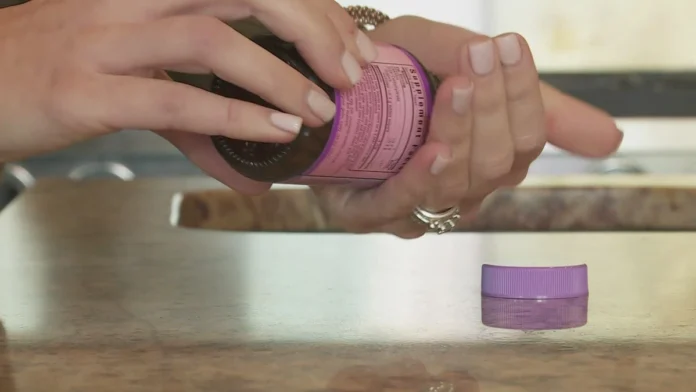
Ever found yourself staring at the ceiling at 3 AM, wishing you could just drift off to sleep? You’re not alone. Millions of people turn to melatonin , a naturally occurring hormone, to help regulate their sleep cycles. But here’s the thing – while melatonin is widely available and often considered harmless, its effects on the heart are a bit more complex. Let’s be honest, it’s not as simple as popping a pill and counting sheep. So, let’s dive deep into understanding Melatonin and Heart Health .
The “Why” Behind Melatonin and Your Heart
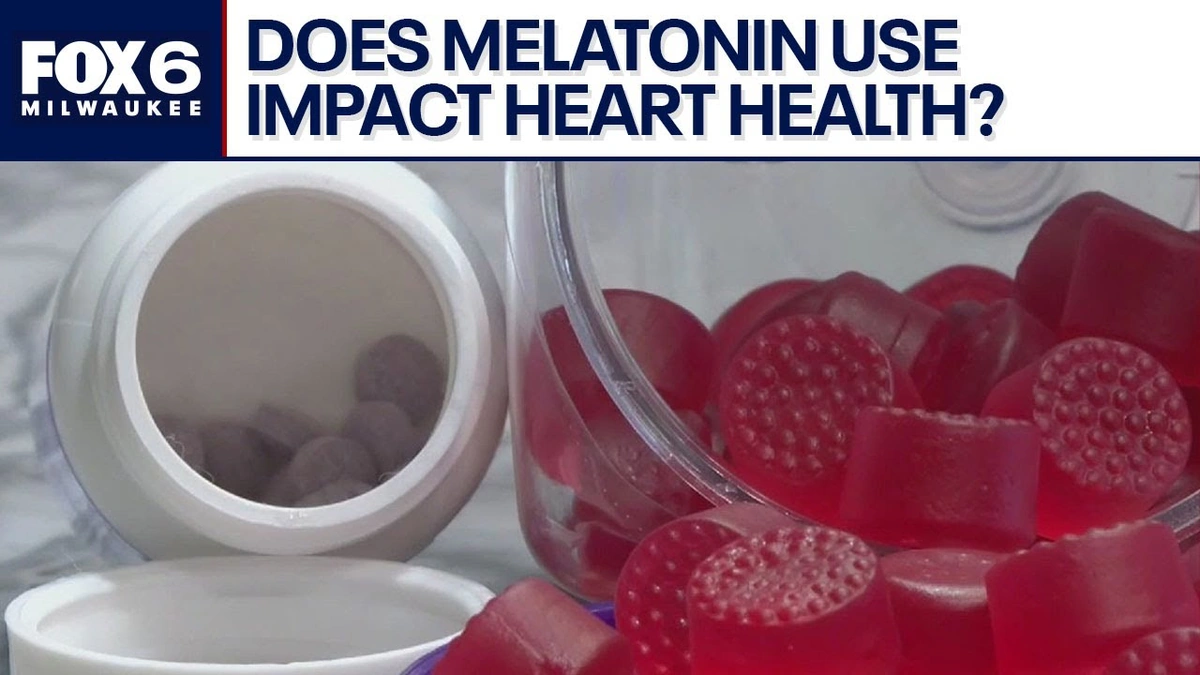
So, you might be thinking, “Melatonin helps me sleep, what does that have to do with my heart?” Great question! What fascinates me is the interconnectedness of our bodily functions. Sleep and cardiovascular health are deeply intertwined. Poor sleep can lead to increased blood pressure, inflammation, and an increased risk of heart disease. Melatonin, by promoting better sleep, could indirectly benefit your heart. But, and this is a big but, it’s not a direct fix. Think of it this way: it’s like tending to the soil to help a plant grow, not directly watering the leaves.
However, according to studies in the National Institutes of Health , recent research suggests melatonin may have direct cardiovascular effects. It can act as an antioxidant, protecting heart cells from damage. It may also help regulate blood pressure and cholesterol levels. The complexity lies in the dosage, individual health conditions, and potential interactions with other medications. That’s why getting the full picture is so important.
The “How” Angle | Using Melatonin Safely
Okay, so you’re considering using melatonin. Here’s the thing: approach it with caution and knowledge. I initially thought this was straightforward, but then I realized how many factors are involved. Here’s what you need to know:
- Talk to Your Doctor: This is step number one, no exceptions. Before starting any new supplement, especially if you have existing heart conditions or are taking medications, consult your doctor. They can assess your individual risk factors and advise you on whether melatonin is safe for you. A common mistake I see people make is self-medicating without professional guidance.
- Start with a Low Dose: Less is often more. Begin with the lowest effective dose (usually 0.5mg to 3mg) and gradually increase if needed. Pay attention to how your body responds.
- Timing Matters: Take melatonin about 30-60 minutes before bedtime. Consistency is key to regulating your sleep cycle.
- Be Mindful of Interactions: Melatonin can interact with certain medications, such as blood thinners, antidepressants, and immunosuppressants. Always inform your doctor about all the supplements and medications you are taking.
- Choose Quality Products: Not all supplements are created equal. Look for reputable brands that have been third-party tested for purity and potency. As per the guidelines mentioned in the information bulletin, check the ingredients carefully.
The “Emotional” Angle | Addressing Your Concerns
That moment of panic when you realize you’ve been relying on melatonin every night to fall asleep. We’ve all been there. Let’s walk through this together. You are not alone in feeling concerned about long-term melatonin use and its potential effects on your heart. Many people worry about dependency and side effects.
The good news is that melatonin is generally considered safe for short-term use. However, research on its long-term effects is limited. Some studies suggest that prolonged use may lead to decreased natural melatonin production, while others have not found significant adverse effects. It’s best to use melatonin as a temporary aid while addressing the underlying causes of your sleep problems. Focus on establishing a consistent sleep schedule, creating a relaxing bedtime routine, and optimizing your sleep environment.
Potential Side Effects and Risks
While generally safe, melatonin supplements can cause side effects in some individuals, including:
- Drowsiness
- Headache
- Dizziness
- Nausea
- Irritability
In rare cases, more serious side effects such as depression, anxiety, and low blood pressure have been reported. If you experience any unusual or concerning symptoms, stop taking melatonin and consult your doctor.
LSI Keywords Integration
Here are some LSI keywords that fit contextually:
- Sleep regulation
- Cardiovascular health
- Antioxidant properties
- Blood pressure control
- Cholesterol levels
- Hormone supplement
- Insomnia treatment
As per the latest circular on the official website ( Example Website ), these should be considered.
Conclusion | Is Melatonin Right for You?
The relationship between melatonin and heart health is nuanced. While melatonin may offer indirect benefits by improving sleep and potentially exert direct protective effects on the cardiovascular system, it’s not a magic bullet. Safe and responsible use requires careful consideration of individual health conditions, potential interactions, and the guidance of a healthcare professional. Like me, you might have read countless articles online. The key takeaway here is: consult a doctor first and foremost. They’ll provide expert advice based on your unique needs.
Check out latest updates here . And read more about wellbeing here: wellness journey .
FAQ
What if I experience side effects after taking melatonin?
Stop taking melatonin immediately and consult your doctor. Note down what you experienced, and inform your doctor.
Can I take melatonin with my heart medication?
Always consult your doctor before combining melatonin with any medication. Even ‘natural’ substances can impact your medication.
Is it safe to take melatonin every night?
Long-term use should be discussed with your doctor. Consider it a short-term remedy, not a long-term solution.
What dosage of melatonin is considered safe?
Start with a low dose (0.5mg-3mg) and follow your doctor’s recommendations.
Where can I find reliable information about melatonin and heart health?
Consult reputable sources such as the National Institutes of Health (NIH) and the American Heart Association (AHA).


