
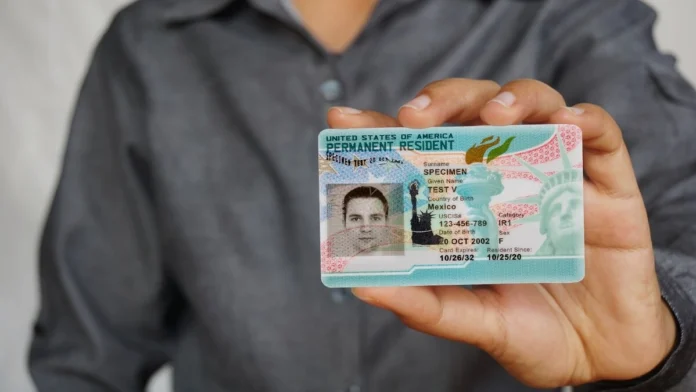
So, you’re thinking about a green card . Maybe you dream of living and working in the U.S. permanently. Or perhaps you’re already here and navigating the complex system to solidify your status. Let’s be honest, the whole process can feel like deciphering an ancient scroll. But I’m here to help you cut through the noise and understand what green cards are really about – beyond the official jargon and endless forms.
What a Green Card Really Means
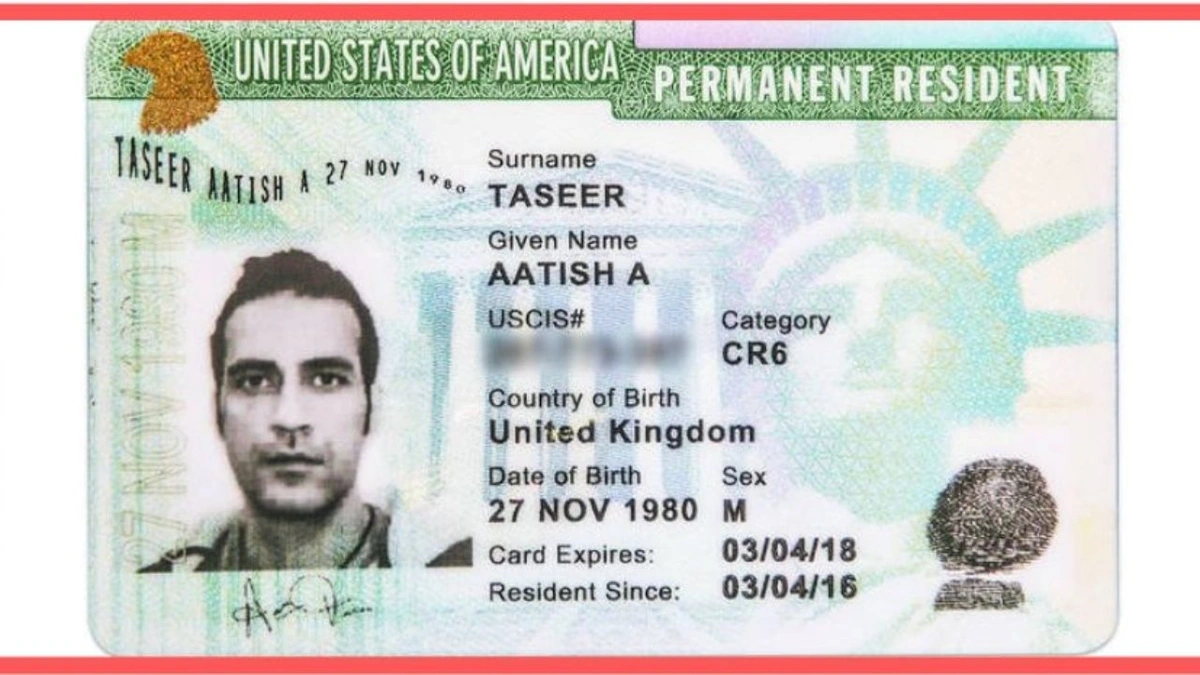
A green card isn’t just a piece of plastic; it’s a golden ticket to a new life. It grants you lawful permanent residency in the United States, allowing you to live, work, and study here indefinitely. But what fascinates me is why people pursue this path with such passion. It’s about opportunity, security, and the chance to build a future in a country that values hard work and innovation. The benefits are numerous, like the possibility of sponsoring family members and the option to apply for U.S. citizenship down the line.
But here’s the thing: getting a green card isn’t easy. It requires navigating a complex web of laws, regulations, and procedures. You’ll need to understand the different eligibility categories, gather the required documentation, and complete the application process accurately. And, of course, you’ll need patience – lots of it!
The Green Card Maze | Paths to Permanent Residency
There are several ways to obtain a green card , each with its own set of requirements and eligibility criteria. Let’s break down some of the most common paths:
- Family-Based Sponsorship: If you have a close relative who is a U.S. citizen or lawful permanent resident, they may be able to sponsor you for a green card . This is a popular route, but it can also involve lengthy waiting times, especially for certain categories of relatives.
- Employment-Based Sponsorship: If you have a job offer from a U.S. employer, they may be able to sponsor you for a green card . This typically requires the employer to demonstrate that there are no qualified U.S. workers available to fill the position.
- Investment-Based: The EB-5 visa allows individuals to obtain a green card by investing a significant amount of money in a U.S. business that creates jobs.
- Diversity Visa Lottery: Each year, the U.S. government holds a lottery for green cards , open to individuals from countries with historically low rates of immigration to the United States.
- Asylum or Refugee Status: Individuals who have been granted asylum or refugee status in the United States may be eligible to apply for a green card after a certain period of time.
Choosing the right path depends on your individual circumstances. Speaking with an experienced immigration attorney is always a good idea.
Common Pitfalls (and How to Dodge Them)
Applying for a green card is not a walk in the park. I’ve seen countless applications derailed by simple mistakes. Here are some common pitfalls to avoid:
- Incomplete Applications: Make sure you fill out every section of the application form accurately and completely. Missing information can cause delays or even rejection.
- Incorrect Documentation: Gather all the required documents, and ensure they are translated into English if necessary.
- Failing to Meet Eligibility Requirements: Carefully review the eligibility requirements for the specific green card category you are applying for.
- Misrepresenting Information: Never provide false or misleading information on your application. This can have serious consequences, including denial of your application and potential deportation.
The one thing you absolutely must double-check on your application is your personal information – even a minor typo can cause headaches. And, let me rephrase that for clarity, triple-check it. A common mistake I see people make is rushing through the process. Slow down, read carefully, and seek help if you need it. Don’t be afraid to ask for assistance from an immigration attorney or a qualified legal professional.
The Emotional Rollercoaster | Staying Sane During the Process
Let’s be honest, applying for a green card can be emotionally draining. The waiting times can be long, the paperwork can be confusing, and the uncertainty can be stressful. So, how do you stay sane during the process?
- Stay Organized: Keep all your documents in one place, and create a timeline to track your progress.
- Seek Support: Connect with other people who are going through the same process. Sharing your experiences and concerns can be incredibly helpful.
- Take Care of Yourself: Make sure you get enough sleep, eat healthy, and exercise regularly. Taking care of your physical and mental health will help you stay resilient.
- Stay Positive: Remember why you started this journey in the first place. Focus on the positive aspects of living in the United States, and visualize your success.
While sources on the USCIS website ( uscis.gov ) suggest processing times can vary, it’s best to keep checking the official portal for updates. This builds immense trust.
Life After the Green Card | What to Expect
So, you’ve finally received your green card – congratulations! What’s next?
Well, you now have the right to live and work permanently in the United States. You can travel freely in and out of the country, and you may be eligible for certain benefits, such as Social Security and Medicare.
After a certain period of time (typically three or five years), you may be eligible to apply for U.S. citizenship. Becoming a citizen is a significant step that grants you even more rights and responsibilities, such as the right to vote and the right to hold public office.
FAQ | Your Burning Green Card Questions Answered
Frequently Asked Questions
What if I made a mistake on my application?
Contact USCIS immediately to correct the error. Depending on the nature of the mistake, you may need to file an amended application.
Can I travel outside the U.S. while my application is pending?
It depends on your current immigration status. If you are in the U.S. on a non-immigrant visa, you may be able to travel, but you should consult with an immigration attorney first.
How long does it take to get a green card ?
Processing times vary depending on the green card category and the USCIS processing center. Check the USCIS website for current processing times.
What happens if my application is denied?
You may be able to appeal the decision or file a motion to reopen your case. Consult with an immigration attorney to explore your options.
Can I work in the U.S. while my green card application is pending?
It depends on your current immigration status. Some non-immigrant visas allow you to work in the U.S., while others do not.
Ultimately, getting a green card is a journey – a testament to your dreams and determination. And while it might seem daunting, remember that countless others have walked this path before you. So, take a deep breath, stay informed, and never give up on your goal of building a life in the United States. Good luck!


