
Ever heard a weather report mention a red flag warning and thought, “Okay, that sounds…serious?” You’re not alone. It’s one of those terms that gets thrown around, but what does it really mean, and more importantly, why should you care? Let’s be honest, weather alerts can feel like background noise until they directly impact your life. But a red flag warning? It’s worth paying attention to. This isn’t just about whether you should bring an umbrella; it’s about understanding a heightened risk of wildfires and taking proactive steps to protect yourself and your community.
What Exactly Is a Red Flag Warning?
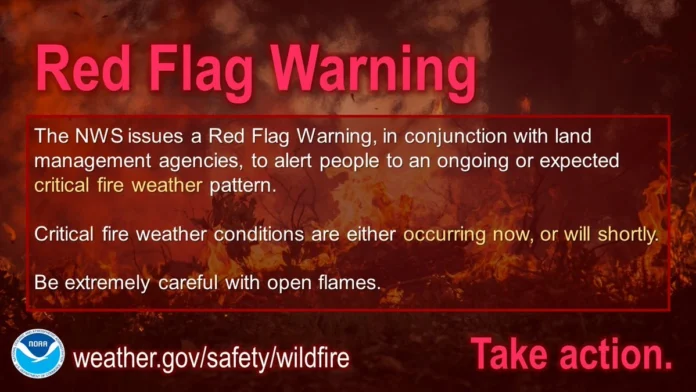
Here’s the thing: a red flag warning isn’t just a general “be careful” message. It’s a specific alert issued by the National Weather Service (NWS) when weather conditions are ideal for wildfires to ignite and spread rapidly. We’re talking a dangerous combination of strong winds, low relative humidity, and dry vegetation – the perfect recipe for disaster.
Think of it this way: imagine trying to light a campfire on a damp, still day. It’s tough, right? Now picture a windy day with dry leaves everywhere. One spark, and boom! That’s essentially what a red flag warning is all about. The NWS issues these warnings based on very specific criteria, which can vary slightly by region, but generally include sustained winds of a certain speed (often 20-30 mph or higher) and very low humidity levels (usually below 15-20%). They are also related to fire weather , which has a direct impact on wildfire occurance.
The “Why” Behind the Warning | Understanding the Danger
So, why is this combination so dangerous? Well, the strong winds act like a bellows, fanning any potential flames and helping them spread incredibly quickly. Low humidity means the air is dry, which in turn dries out vegetation like grass, trees, and brush. This dry vegetation becomes highly flammable fuel, ready to ignite at the slightest spark. But, what fascinates me is how rapidly seemingly harmless situations can escalate. A discarded cigarette butt, a malfunctioning piece of equipment, or even a stray spark from a car’s exhaust can be enough to start a devastating wildfire under these conditions. It’s critical that individuals living in highly sensitive areas, such as those with dry climates, follow safety guidelines. You can learn more about this by going to USA Trending Today .
I initially thought the biggest risk was in rural areas, but I realized urban areas aren’t immune. Dry leaves accumulating near homes and businesses can easily catch fire and spread to structures. The implications can be staggering. Wildfires can destroy homes and businesses, disrupt infrastructure, cause widespread power outages, and lead to significant health problems due to smoke inhalation. They can also have devastating impacts on ecosystems, destroying habitats and contributing to long-term environmental damage.
How to Prepare | Actions You Can Take Right Now
Okay, so you know what a red flag warning is and why it matters. Now what? Here’s the “how” – some actionable steps you can take to prepare and protect yourself, your family, and your property. A common mistake I see people make is thinking, “It won’t happen to me.” But honestly, that’s the worst attitude to have when dealing with wildfire risk.
First, stay informed . Pay attention to weather forecasts and alerts from the National Weather Service. Sign up for local emergency alerts so you receive notifications directly to your phone or email. Create a defensible space around your home. Clear away dry leaves, brush, and other flammable materials from around your house, deck, and any other structures. This creates a buffer zone that can help slow or stop the spread of a wildfire.
Prepare a go-bag with essential supplies like water, food, medications, a first-aid kit, a flashlight, and important documents. Have a family evacuation plan . Discuss with your family where you’ll meet if you get separated and how you’ll communicate with each other. Practice your evacuation plan regularly so everyone knows what to do in an emergency.
Beyond the Basics | Proactive Prevention
Preventing wildfires is everyone’s responsibility. During a red flag warning, be extra careful with anything that could potentially spark a fire. Avoid using equipment that could create sparks, such as lawnmowers or power tools. Be extremely cautious with open flames, such as campfires or barbecues. Never toss cigarette butts on the ground – and here’s the thing – always dispose of them properly. Report any suspicious activity that could lead to a wildfire.
Consider investing in fire-resistant landscaping . Choose plants that are low-growing, drought-tolerant, and less flammable. Water your lawn and plants regularly to keep them healthy and hydrated. Work with your neighbors to create a fire-wise community. Organize community events to clear brush and debris, share information about wildfire safety, and develop a neighborhood evacuation plan. These types of activities can also involve understanding wildfire preparedness from a Federal level.
The Emotional Impact | Facing the Fear
Let’s be real: the thought of a wildfire is scary. That moment of panic when you see smoke in the distance, the uncertainty of whether you’ll have to evacuate, the fear of losing your home and belongings – these are all very real emotions. It’s okay to feel anxious or overwhelmed, especially if you’ve experienced a wildfire before. Acknowledge your feelings and find healthy ways to cope with them. Talk to your family, friends, or a mental health professional. Remember that you’re not alone, and there are resources available to help you get through this.
Red Flag Warning FAQ
What does it mean when a Red Flag Warning is issued?
It signifies that conditions are ripe for wildfires: dry vegetation, low humidity, and strong winds.
How often are these warnings issued?
It depends on the region and weather patterns. Drier areas will experience them more frequently.
What should I do during a Red Flag Warning?
Avoid activities that could cause sparks, stay informed, and be ready to evacuate if necessary.
Where can I find more information?
The National Weather Service website and your local emergency management agencies are great resources.
What if I see a fire?
Report it immediately to 911 or your local fire department.
A red flag warning isn’t just a weather update; it’s a call to action. It’s a reminder to be vigilant, to take precautions, and to protect ourselves and our communities from the devastating threat of wildfires. By understanding the risks, preparing in advance, and working together, we can all help reduce the impact of these dangerous events.


