
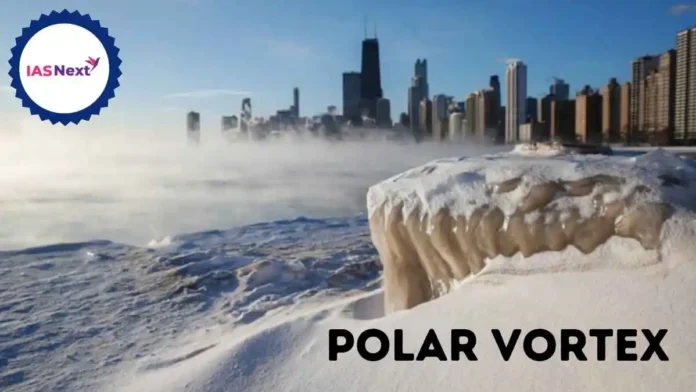
Okay, let’s be honest: when you hear ” polar vortex ,” your first thought is probably something like, “Great, more cold weather.” But here’s the thing – it’s so much more than just a chilly headline. It’s a swirling beast of frigid air high up in the atmosphere, and when it gets a little wobbly (which it has been lately), things can get really interesting down here. And by interesting, I mean record-breaking cold snaps and disruptive weather patterns. This isn’t just about grabbing an extra scarf; it’s about understanding the complex dance between our atmosphere and our daily lives. Let’s dive in, shall we?
Understanding the Beast | What is the Polar Vortex?
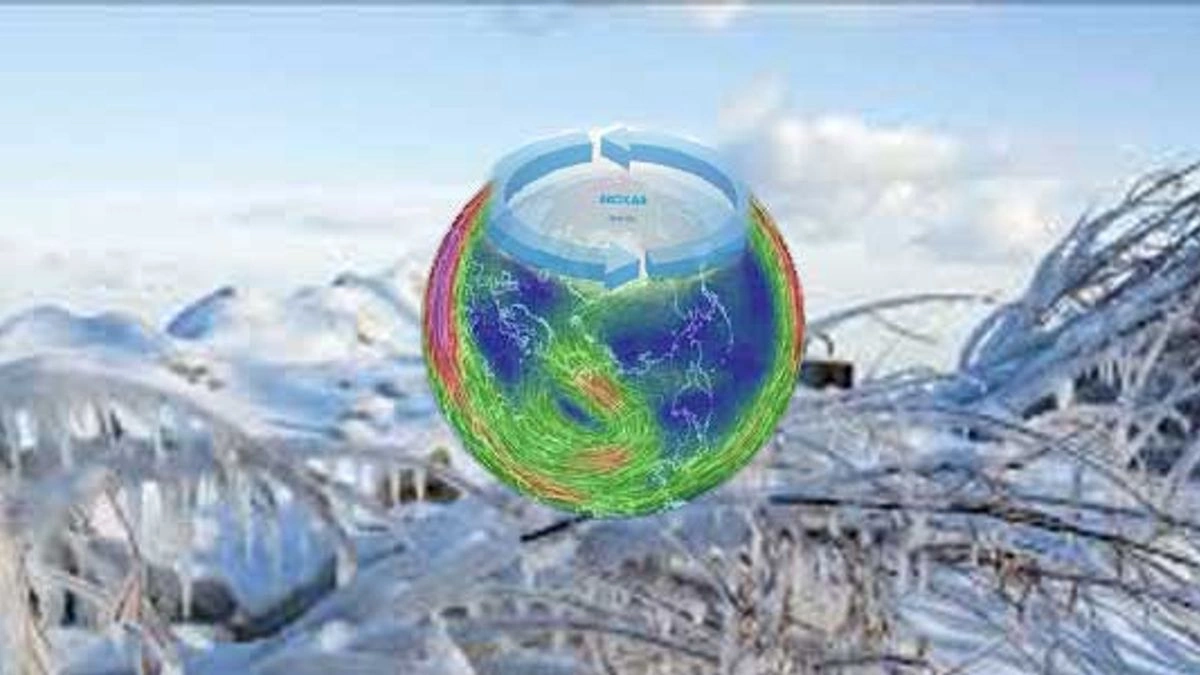
Imagine a giant spinning top way up in the stratosphere, miles above the North Pole. That’s essentially what the polar vortex is – a large area of low pressure and extremely cold air. It’s always there during the winter months, but most of the time, it stays put, happily swirling around the Arctic. But – and this is a big but – sometimes it weakens. Think of it like that spinning top starting to wobble. When that happens, chunks of that frigid air can break off and head south, bringing with them the kind of temperatures that make penguins shiver. According to the National Weather Service , these “outbreaks” are responsible for many of the extreme cold events we experience.
Now, here’s where it gets a little complex. The stratosphere , where the polar vortex lives, is very different from the troposphere, the layer of atmosphere closest to the ground where we live and breathe. These layers interact, and disturbances in the stratosphere can influence weather patterns below. Scientists are still working to fully understand these interactions, but one thing is clear: a disturbed polar vortex can have significant consequences for our weather.
Why Does It Matter? The Ripple Effects of a Wobbly Vortex
So, why should you care if a bunch of cold air is swirling around in the Arctic stratosphere? Because it has a direct impact on your life – even if you don’t live in a place that usually experiences extreme cold. A weakenedpolar vortexcan lead to:
- Extreme Temperature Swings: We’re talking about the kind of cold that can freeze pipes, damage crops, and make even a quick trip to the mailbox feel like an Arctic expedition.
- Disrupted Weather Patterns: The vortex’s influence isn’t limited to just cold. It can also affect storm tracks, leading to unusual snowstorms, prolonged periods of drought, or even unseasonably warm weather in some areas.
- Economic Impacts: From increased energy demand to agricultural losses, the economic consequences of extreme weather events linked to the polar vortex can be significant.
Let me rephrase that for clarity: if the arctic air mass dips south, energy grids can be overwhelmed. A common mistake I see people make is assuming this only affects northern states. Think about supply chains, too! A major snowstorm in one region can disrupt transportation networks across the country, leading to shortages and price increases.
What Triggers a Polar Vortex Disruption?
Okay, now for the million-dollar question: what causes the polar vortex disruption in the first place? The answer, like most things related to weather and climate, is complicated. However, there are a few key factors that scientists believe play a role:
- Sudden Stratospheric Warmings (SSWs): These events, where the temperature in the stratosphere rises dramatically over a short period, can weaken the polar vortex and cause it to split or shift.
- Wave Activity: Atmospheric waves, generated by things like mountains and temperature differences between land and sea, can travel upwards and disrupt the vortex.
- Climate Change: While the exact link is still being researched, some scientists believe that climate change may be increasing the frequency and intensity of polar vortex disruptions. Changes in sea ice cover and atmospheric circulation patterns could be playing a role.
But, it’s important to note that the polar vortex itself is a natural phenomenon. It’s been around for a long time, and disruptions have always occurred. The key question is whether these disruptions are becoming more frequent or severe due to human-caused climate change. The effects of climate change are still being studied.
Can We Predict Polar Vortex Events?
Predicting the behavior of thepolar vortexis a major challenge for meteorologists. It’s like trying to predict the movements of a chaotic dance partner – there are patterns, but there’s also a lot of unpredictability. However, scientists are making progress. By studying past events, analyzing atmospheric data, and using sophisticated computer models, they are developing better tools to forecast potential disruptions. As usatrendingtodays.com states, the increased frequency of extreme weather events makes prediction more vital.
Here’s the thing: these models aren’t perfect. There’s still a lot of uncertainty, especially when it comes to predicting the exact timing and location of a disruption. But even with these limitations, forecasts can provide valuable information to help communities prepare for potential extreme weather events. And that brings us to the final, crucial piece of the puzzle.
Preparing for the Chill | What You Can Do
Okay, so the polar vortex might be wobbling, and extreme cold could be on the way. What can you do about it? Here are a few practical steps you can take to prepare:
- Stay Informed: Keep an eye on weather forecasts and heed warnings from local authorities.
- Prepare Your Home: Insulate pipes, seal drafts, and make sure your heating system is working properly.
- Stock Up on Supplies: Have extra food, water, blankets, and emergency supplies on hand.
- Dress Appropriately: Wear layers of warm clothing when you go outside, and protect your face and hands from the cold.
- Check on Vulnerable Neighbors: Make sure elderly or disabled neighbors have adequate heat and supplies.
I initially thought this was straightforward, but then I realized the deeper importance of community preparedness. It’s not just about individual actions. It’s about working together to protect the most vulnerable members of our society.
FAQ About the Polar Vortex
What if I hear about a ” sudden stratospheric warming ?”
That’s a key indicator that the polar vortex might be weakening. It doesn’t guarantee a cold snap, but it increases the risk.
How can I prepare my home for extremely cold weather?
Insulate pipes, seal drafts, and ensure your heating system is in good working order.
What’s the difference between the polar vortex and climate change?
The polar vortex is a natural phenomenon. Climate change might be influencing its behavior.
Will the polar vortex affect my area?
It’s impossible to say for sure. Keep an eye on your local weather forecasts.
Where can I find reliable information about the polar vortex?
Check websites like the National Weather Service or reputable news organizations.
The polar vortex isn’t just some abstract scientific concept. It’s a powerful force that shapes our weather and our lives. By understanding it, we can be better prepared for the challenges and opportunities it presents. And that, my friends, is something worth caring about.


