
When you hear ” Tanzania ,” what’s the first thing that pops into your head? Is it the majestic Mount Kilimanjaro piercing the sky? Maybe it’s the endless plains of the Serengeti National Park teeming with wildlife. Or perhaps it’s the idyllic beaches of Zanzibar, with turquoise waters lapping at the shore? These are all valid, postcard-perfect images. But Tanzania, let’s be honest, is so much more than just a pretty picture.
Here’s the thing: most articles will give you the highlights. They’ll tell you about the Great Migration, the best time to climb Kili, and the spices of Zanzibar. And hey, that’s all important stuff. But I want to dig a little deeper. I want to explore the why behind the what. Why is Tanzania so unique? Why does it hold such a special place in the hearts of travelers? What can you, a reader in the United States, learn from this East African gem?
The Soul of Tanzania | A Cultural Tapestry
Tanzania isn’t just about the scenery; it’s about the people. It boasts over 120 different ethnic groups, each with its own distinct language, traditions, and customs. This incredible diversity is woven into the very fabric of Tanzanian society. And this is where I start to get excited.
You see, unlike some African nations that have struggled with tribalism, Tanzania has largely managed to maintain a sense of national unity. How? The answer, I believe, lies in the legacy of Julius Nyerere, Tanzania’s first president. Nyerere, affectionately known as “Mwalimu” (teacher), promoted a philosophy of “Ujamaa” – a Swahili word meaning “familyhood.” This concept emphasized self-reliance, communal living, and social equality.
Now, Ujamaa wasn’t without its challenges. But its impact on fostering a sense of shared identity in Tanzania is undeniable. It’s a constant work in progress. This sense of unity translates into a warmth and hospitality that is truly infectious. Tanzanians are genuinely welcoming people, eager to share their culture and their stories. The one thing you absolutely must not forget is to learn a few basic Swahili phrases. Even a simple ” Asante sana ” (thank you very much) goes a long way.
Beyond the Big Five | Discovering Tanzania’s Hidden Gems
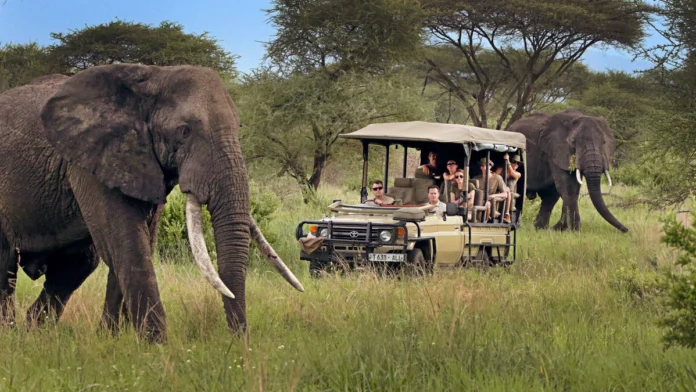
Yes, the Big Five (lion, leopard, elephant, rhino, and buffalo) are a major draw for tourists. And rightfully so. Witnessing these magnificent creatures in their natural habitat is an unforgettable experience. But Tanzania has so much more to offer beyond the well-trodden safari circuit.
What fascinates me is the opportunity for off-the-beaten-path adventures. Consider the southern circuit, for instance. Parks like Ruaha National Park and Selous Game Reserve (now Nyerere National Park) offer a more remote and exclusive safari experience. These parks are less crowded, allowing for a more intimate connection with nature.
Or perhaps you’re interested in exploring Tanzania’s rich history? Head to Bagamoyo, a coastal town that was once a major trading center for slaves and ivory. The ruins of the old slave market and the German colonial buildings offer a sobering glimpse into the past. The historical sites in Bagamoyo showcase the diverse influences that have shaped Tanzania.
The Future of Tanzania | Balancing Growth and Sustainability
Tanzania, like many developing nations, faces the challenge of balancing economic growth with environmental protection. Tourism is a major source of revenue, but it also puts pressure on the country’s natural resources. I initially thought this was straightforward, but then I realized just how complex the issue is.
Sustainable tourism practices are becoming increasingly important. Eco-lodges, community-based tourism initiatives, and responsible wildlife viewing are all crucial for minimizing the negative impact of tourism. According to Wikipedia , Tanzania has made strides in conservation, but more work needs to be done. Supporting local communities and businesses is another key aspect of sustainable tourism. A common mistake I see people make is booking tours through large, foreign-owned companies. By choosing locally owned operators, you can ensure that your money stays within the Tanzanian economy.
Let me rephrase that for clarity: think about where your money is going. Are you supporting the local communities, or are you simply lining the pockets of wealthy foreign investors? The choices we make as tourists have a direct impact on the lives of Tanzanians and the future of their country.
Essential Travel Tips for Tanzania
Planning a trip to Tanzania? Here are a few essential tips to keep in mind:
- Visas: Most nationalities require a visa to enter Tanzania. You can obtain a visa online or upon arrival at the airport.
- Vaccinations: Consult your doctor about recommended vaccinations. Yellow fever vaccination is often required if you’re traveling from certain countries.
- Currency: The Tanzanian shilling (TZS) is the local currency. US dollars are widely accepted, but it’s always a good idea to have some shillings on hand for smaller purchases.
- Language: Swahili and English are the official languages. Learning a few basic Swahili phrases will enhance your experience.
- Safety: Tanzania is generally a safe country for tourists, but it’s important to take precautions against petty theft. Be aware of your surroundings, especially in crowded areas.
And remember to pack light, comfortable clothing, sunscreen, insect repellent, and a good pair of walking shoes. Essential travel items will help you prepare for the adventure.
Embrace the Unknown | Why Tanzania Matters
Tanzania is more than just a destination; it’s an experience. It’s a place that will challenge your perceptions, broaden your horizons, and leave you with memories that will last a lifetime. But, what truly matters here is that Tanzania is a beautiful and complex country, full of contrasts and contradictions. It’s a place where ancient traditions meet modern aspirations, where breathtaking landscapes coexist with pressing social and environmental challenges.
So, if you’re looking for an adventure that goes beyond the ordinary, consider Tanzania. Explore its vibrant culture, discover its hidden gems, and embrace the unknown. You might just find that it changes you in ways you never expected.
FAQ | Your Tanzania Travel Questions Answered
What’s the best time to visit Tanzania for a safari?
The dry season (June to October) is generally considered the best time for wildlife viewing. Animals congregate around water sources, making them easier to spot.
Is it safe to drink tap water in Tanzania?
No, it’s not recommended. Stick to bottled water or purified water.
What should I pack for a trip to Tanzania?
Pack light, comfortable clothing, sunscreen, insect repellent, a hat, sunglasses, and a good pair of walking shoes.
Do I need to learn Swahili before visiting Tanzania?
While English is widely spoken in tourist areas, learning a few basic Swahili phrases will be greatly appreciated by locals.
What are some popular souvenirs to buy in Tanzania?
Consider buying Maasai crafts, Tingatinga paintings, coffee, or spices.
What is Tanzania known for?
Tanzania is most famously known for Mount Kilimanjaro, Serengeti National Park and Zanzibar. Tanzanian culture is also rich in history.


