
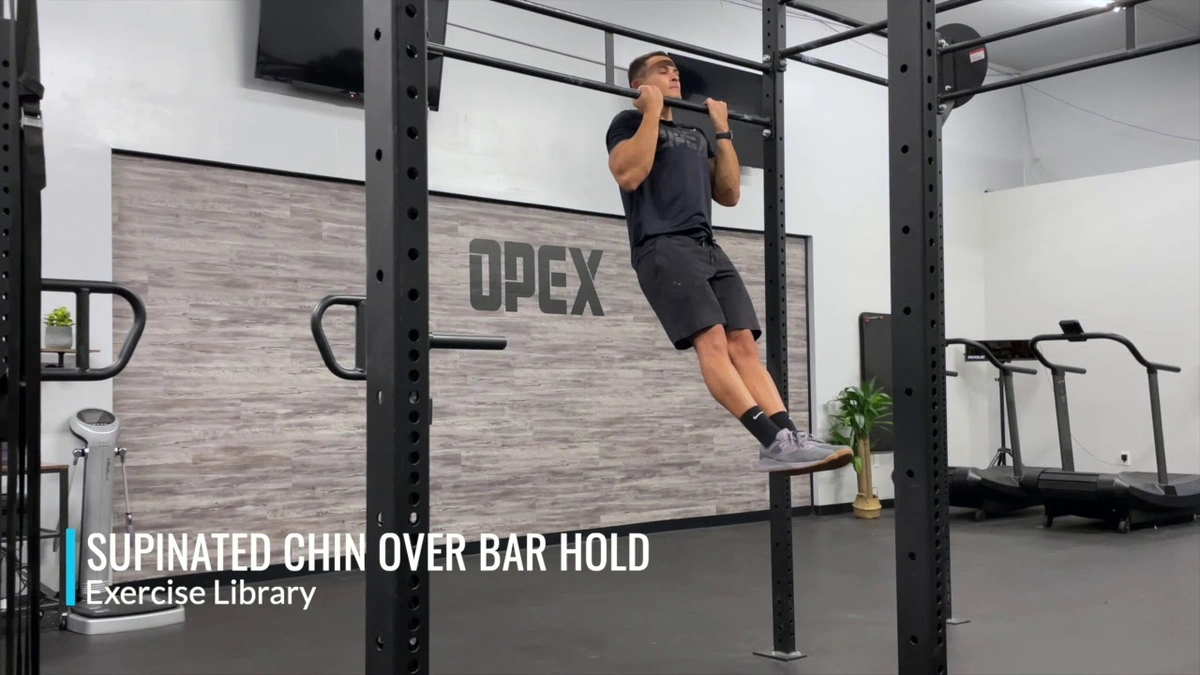
The bar hold . It sounds simple, right? Just grab a bar and… hold on. But here’s the thing: it’s so much more than a test of grip strength. It’s a full-body engagement exercise that builds serious core stability, improves posture, and can even help you bust through plateaus in other lifts. What fascinates me is how deceptively challenging this exercise can be. I initially thought, “Oh, it’s just hanging,” but then I realized how quickly my forearms started screaming and my core was working overtime to keep me from swinging like a chimp.
Why the Bar Hold is a Game Changer
Let’s be honest, a lot of people skip core work. Crunches get boring, and planks can feel like they last an eternity. But the bar hold? It’s different. It’s functional strength. It’s training your body to work as a unit. This is about more than just aesthetics; it’s about real-world strength and stability. For instance, a stronger core is crucial for maintaining proper form during heavy squats or deadlifts, reducing your risk of injury. Many people think they’re engaging their core during these lifts, but the bar hold shows you just how much room there is for improvement. Plus, you will quickly gain grip strength and endurance
And here’s the why: the bar hold forces you to engage muscles you didn’t even know you had. It’s not just your hands and arms; it’s your lats, your core, your glutes – everything is working to stabilize you against gravity. The benefits extend beyond the gym, improving posture and reducing back pain in everyday activities. Check here for more information on core stability exercises.
How to Execute the Perfect Bar Hold
Okay, let’s get practical. Here’s how to do a bar hold correctly, because there’s a difference between just hanging and getting the most out of the exercise.
- Grip it and rip it (well, gently): Use an overhand grip, slightly wider than shoulder-width. Make sure your hands are secure.
- Engage those lats: Think about pulling your shoulder blades down and back. This activates your lats and provides a stable base.
- Brace your core: Imagine you’re about to get punched in the stomach. Tighten everything. This is crucial for stability and preventing swinging.
- Squeeze your glutes: Yes, even your glutes play a role! Squeezing them helps to further stabilize your body.
- Hold on tight: Aim for 30-60 seconds. If that’s too easy, add weight with a dip belt or weighted vest.
A common mistake I see people make is letting their shoulders shrug up towards their ears. This puts unnecessary strain on your neck and traps. Keep those shoulders down and back. If you’re feeling pain, stop immediately. This exercise should be challenging, but not painful. Try and get some forearm workout tips to help prepare for the bar hold
Variations to Keep Things Interesting
One of the best things about the bar hold is its versatility. Once you’ve mastered the basic version, you can start experimenting with variations to target different muscle groups and increase the challenge.
- Towel Grip: Drape a towel over the bar and grip the ends. This increases the grip challenge significantly.
- Single-Arm Bar Hold: This is an advanced variation that requires tremendous grip strength and core stability. Proceed with caution!
- Dead Hang with Leg Raises: Add leg raises to the dead hang to further engage your core and hip flexors.
I initially thought this was straightforward, but then I realized the variation potential. Try incorporating a progressive overload approach to the variations for best results.
Integrating Bar Holds Into Your Routine
So, how do you actually incorporate the bar hold into your training schedule? Here’s what I’ve found works best:
- As a Warm-up: A short bar hold can activate your core and lats before heavier lifts.
- As a Finisher: End your workout with a few sets of bar holds to fatigue your grip and core.
- As Active Recovery: On your rest days, a few sets of bar holds can improve blood flow and promote recovery.
Don’t underestimate the power of consistency. Even a few minutes of bar holds per week can make a significant difference in your overall strength and stability. A great way to add to your core exercise program. Get the full routine here .
The Emotional Connection | Overcoming the Grip of Doubt
That moment of panic when your grip starts to fail. We’ve all been there. You’re hanging on, muscles screaming, and your brain is telling you to let go. But here’s the thing: the bar hold is just as much a mental challenge as it is a physical one. It’s about pushing past that point of discomfort and finding the strength to hold on just a little bit longer. It’s about conquering that feeling of “I can’t” and proving to yourself that you can. That feeling of accomplishment when you finally nail a longer hold? Priceless. It is important to note that proper form is essential to prevent injury.
FAQ | Your Bar Hold Questions Answered
Frequently Asked Questions
How long should I hold the bar?
Start with 30 seconds and gradually increase the duration as you get stronger. Aim for 60-90 seconds.
What if my grip is too weak?
Use lifting straps or focus on grip-strengthening exercises like farmer’s walks.
Can I do bar holds every day?
Yes, but listen to your body. If you’re feeling sore, take a rest day.
Are bar holds good for back pain?
Yes, when performed correctly, bar holds can improve posture and reduce back pain by strengthening the core and back muscles. However, if you have existing back issues, consult with a healthcare professional before starting.
I’m experiencing shoulder pain, what am I doing wrong?
Ensure you’re engaging your lats and pulling your shoulder blades down and back. Shrugging your shoulders can cause pain. If the pain persists, stop and consult with a trainer.
The bar hold is a deceptively simple exercise with profound benefits. It’s a testament to the fact that sometimes, the most effective training methods are the ones that challenge us in unexpected ways. So, next time you’re at the gym, give it a try. You might just surprise yourself with what you’re capable of.


