
Nicaragua. The name might conjure images of political unrest or maybe even a potential vacation spot. But here’s the thing: there’s a lot more going on than meets the eye. This isn’t just another country; it’s a microcosm of global power dynamics, a case study in resilience, and a place with a history that continues to shape its present. Let’s dive in, shall we? We’re going beyond the sound bites and exploring why understanding Nicaragua matters.
A History of Intervention | Why Nicaragua is Wary
Nicaragua’s story is deeply intertwined with foreign intervention, particularly from the United States. From the early 20th century Banana Wars to the Iran-Contra affair in the 1980s, external forces have played a significant role in shaping the nation’s trajectory. This history has fostered a deep sense of skepticism towards outside influence. It’s not just about the past; it continues to influence current political dynamics. A common mistake I see people make is assuming that Nicaraguans blindly follow any particular ideology. The truth is far more nuanced. Their historical experience has made them incredibly savvy about power and its potential abuses. Consider this: the legacy of the Sandinista revolution, while inspiring to some, is also a source of division and debate within the country. Understanding this historical context is crucial for grasping the complexities of modern Nicaraguan politics .
The Ortega Era | Autocracy or Stability?
Daniel Ortega’s return to power in 2007 marked a turning point. Once a revolutionary hero, Ortega has been accused of consolidating power and suppressing dissent. Critics point to constitutional changes that allowed him to run for consecutive terms and the increasing influence of his family in government. But supporters argue that Ortega has brought stability and economic progress to a country plagued by instability. They highlight poverty reduction programs and infrastructure development projects. Let me rephrase that for clarity: it’s not simply a black-and-white situation. There are genuine arguments on both sides. According to the latest reports,international observershave raised serious concerns about the fairness of recent elections. But — and this is a big “but” — understanding the context of Nicaragua’s history with U.S. intervention can also help explain why some Nicaraguans support Ortega despite these concerns. They may view him as a bulwark against foreign interference.
Geopolitics and Nicaragua | A Pawn in a Larger Game?
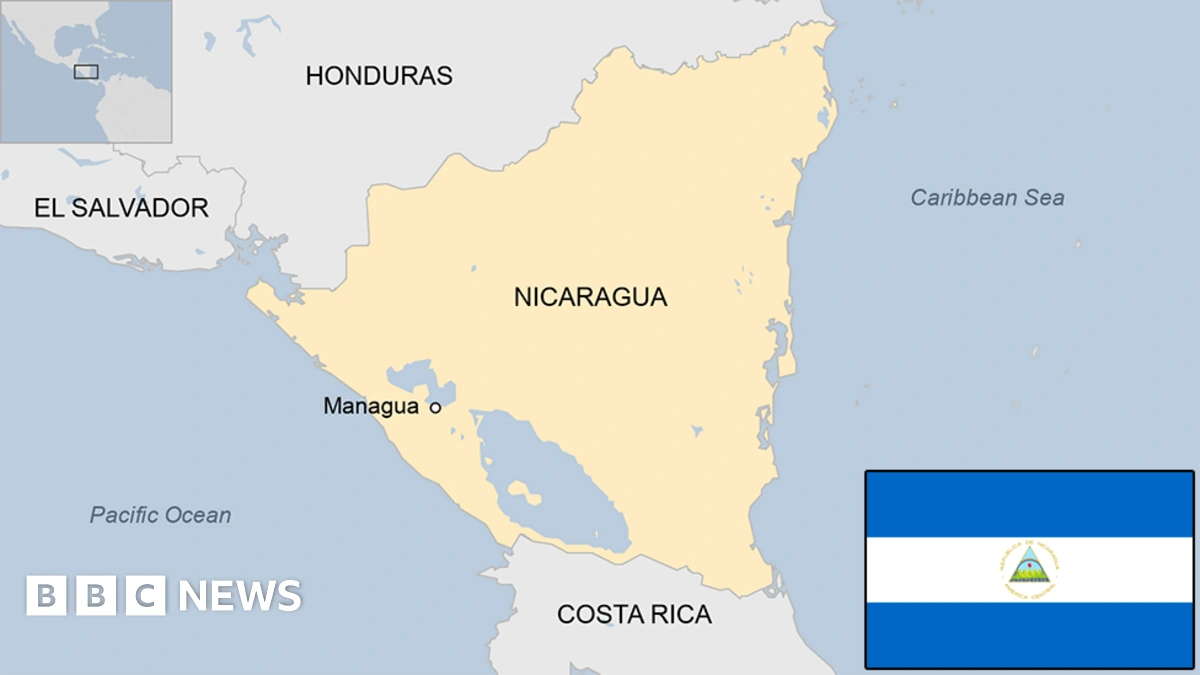
Nicaragua isn’t operating in a vacuum. It’s a player, albeit a small one, in a complex geopolitical game. Its relationship with countries like Russia and China raises eyebrows in Washington. The proposed Nicaragua Canal, intended to rival the Panama Canal, is a prime example. While the project has faced numerous setbacks, its potential to shift global trade routes makes it a topic of intense interest. Here’s the thing: Nicaragua’s strategic location makes it a key piece in the puzzle of regional influence. This is not to diminish the country’s agency, but it’s crucial to recognize the external pressures and opportunities that shape its decisions. The construction and development of this massive canal could shift global trade routes entirely.
The Human Cost | Migration and Human Rights
Political and economic challenges have led to a significant wave of migration from Nicaragua. Many Nicaraguans are seeking better opportunities and fleeing political persecution. The impact on families and communities is profound. What fascinates me is the resilience of the Nicaraguan people in the face of adversity. They have a long history of adapting and persevering. However, the ongoing human rights situation is a serious concern. Reports of arbitrary arrests, restrictions on freedom of expression, and violence against protesters paint a troubling picture. The international community, including the United States, has a responsibility to address these issues. However, it must do so in a way that respects Nicaragua’s sovereignty and avoids repeating the mistakes of the past. One thing you absolutely must double-check when assessing these reports is the source. Is it a credible human rights organization? Or is it a partisan source with a vested interest in shaping the narrative?
Nicaragua | What Does the Future Hold?
Predicting the future is always a risky business, but here’s my take: Nicaragua’s path forward will depend on its ability to address its internal divisions and navigate the complex geopolitical landscape. A genuine dialogue between the government and the opposition is essential for building a more inclusive and democratic society. Economic diversification and sustainable development are also crucial for creating opportunities for all Nicaraguans. And perhaps most importantly, the international community must learn from the mistakes of the past and engage with Nicaragua in a way that is respectful, constructive, and supportive of its own development path. In other words, understanding the context of this nation’s complicated history, and what drives its political decisions is the key to guessing what happens next. But remember, predicting the Nicaragua’s future with total accuracy is near impossible.
The best we can do is stay informed and remain open to different perspectives.
FAQ About Nicaragua
What are the main challenges facing Nicaragua today?
Political polarization, economic inequality, and human rights concerns are key challenges.
Is it safe to travel to Nicaragua?
Travel advisories vary, so check the latest information from your government.
What is Nicaragua’s relationship with the United States?
It’s complex, marked by periods of cooperation and conflict.
What is the currency of Nicaragua?
The Nicaraguan Córdoba (NIO).
What if I want to learn more about Nicaraguan culture?
Look for resources on Nicaraguan music, literature, and cuisine.
Why is Nicaragua important to the rest of the world?
Its strategic location and political dynamics have regional and global implications.


