

We all know the names – Washington, Lincoln, Roosevelt. But let’s be honest, history textbooks often skip the juicy bits, the stuff that makes these leaders feel, well, human. What fascinates me is how these figures, wrestling with immense power, navigated the messy realities of life. So, buckle up – we’re diving deeper than the standard biographies.
The “Accidental” Presidents | When Fate Calls
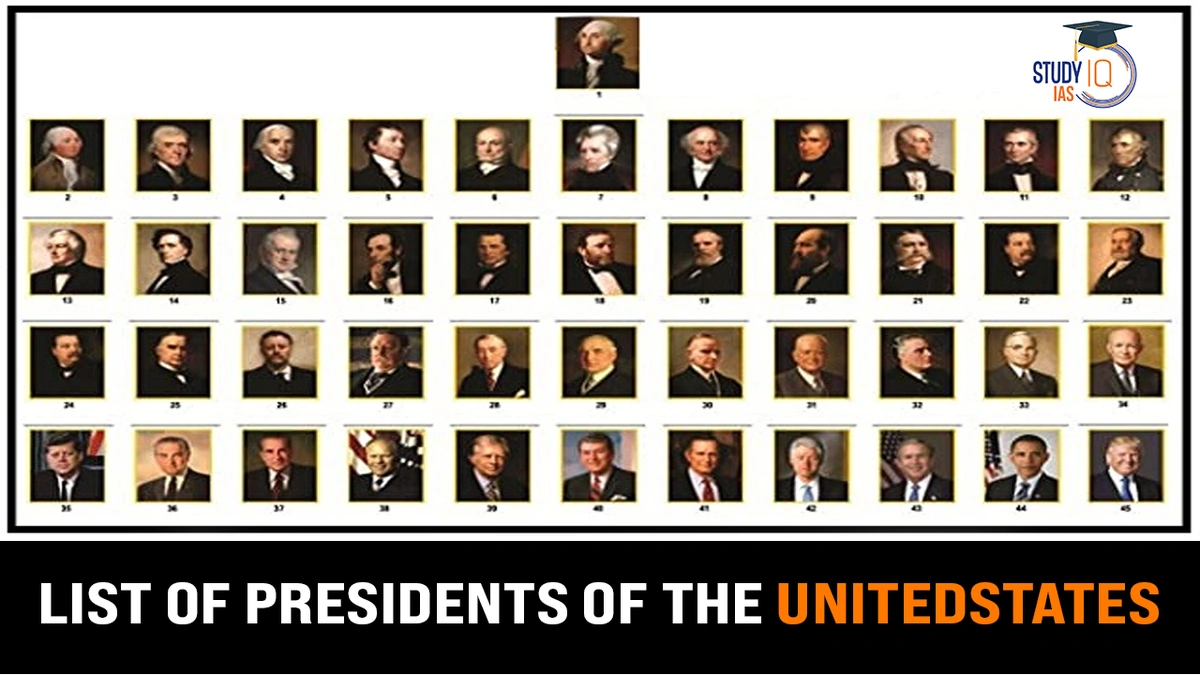
Think about it: becoming president isn’t always about a carefully orchestrated climb to the top. Sometimes, it’s about being in the right (or wrong) place at the right time. Take Harry Truman, for example. A common mistake I see people make is underestimating him because he followed FDR. But here’s the thing: Truman stepped into the presidency amidst World War II, inheriting a world-altering crisis. His decisiveness, often born out of necessity, shaped the post-war landscape. This is a great example of presidential power .
And then there’s Gerald Ford. He never even ran for president or vice president. He was appointed VP after Spiro Agnew’s resignation and then became president when Nixon resigned. Talk about a wild ride! What’s fascinating is how he tried to heal a deeply divided nation after Watergate. His pardon of Nixon, though controversial, aimed to move the country forward. This brings up the question of presidential decisions and their long-term impact.
The Forgotten Legacies | Beyond the Headlines
We tend to remember presidents for their grand achievements or dramatic failures. But what about the smaller, less publicized actions that quietly shaped the nation? Jimmy Carter, for instance, often gets remembered for economic struggles during his time. But his focus on human rights and his work as a diplomat after leaving office are arguably just as significant. It’s crucial to understand the legacy of Carter.
Consider his establishment of diplomatic relations with China, something that laid the groundwork for the economic powerhouse it is today. Or his tireless efforts mediating conflicts around the world. According to various sources, Carter has probably done more than any other president after their service in the White House .
Presidential Scandals | When Power Corrupts
Let’s be real – the Oval Office doesn’t automatically turn someone into a saint. History is littered with examples of presidential scandals , and these incidents offer some valuable insights into human nature and power dynamics. Nixon’s Watergate scandal, for example, wasn’t just about breaking into the Democratic National Committee headquarters. It was about abuse of power, cover-ups, and a deep distrust of institutions. It is still one of the most controversial scandals that have occurred in our Nation.
More recently, we’ve seen impeachments and investigations that highlight the ongoing tension between the executive branch and other branches of government. A common mistake is to see these as isolated incidents, but they speak to a bigger theme: the constant negotiation and checks-and-balances that define the American system. This is why it’s important to understand the American political system .
The Presidents Who Changed the Game
Some presidents didn’t just lead; they redefined the very nature of the office. Franklin Delano Roosevelt (FDR) is a prime example. His New Deal programs fundamentally altered the relationship between the government and the people, creating a social safety net that continues to shape American life. He was also president during WW2. According to Britannica , he served 4 terms, more than any other US President.
Then there’s Abraham Lincoln, whose leadership during the Civil War not only preserved the Union but also led to the abolishment of slavery. Lincoln’s moral courage and his ability to articulate a vision of a more just society continue to inspire. These people changed the country. I initially thought this was straightforward, but then I realized how easy it is to take these changes for granted.
Speaking of change, let’s not forget Barack Obama, the first African American president. His election was a watershed moment in American history, signaling a shift in attitudes about race and identity. Whether you agreed with his policies or not, his presidency undeniably shattered barriers and opened up new possibilities. It’s difficult to overstate the impact on society .
The Future of the Presidency | What’s Next?
The presidency is constantly evolving, adapting to new challenges and changing social norms. What’s fascinating me right now is how future presidents will navigate the digital age, where information spreads instantly and public opinion can shift in a matter of hours. I think the office will continue to evolve to meet the demands of a rapidly changing world. And it’s important to be aware of the future challenges .
Consider how social media has already impacted the way presidents communicate with the public. Or how cybersecurity threats pose new challenges to national security. What will it mean to lead in a world where artificial intelligence plays an increasingly important role? These are the questions we need to be asking. Let’s dive into the importance of political division
FAQ About US Presidents
What are the qualifications to become president?
You must be a natural-born citizen, at least 35 years old, and have lived in the US for 14 years.
What if the president can’t fulfill their duties?
The Vice President takes over. The line of succession is outlined in the Presidential Succession Act.
How does the Electoral College work?
Each state gets a number of electors based on its total number of representatives in Congress. The candidate who wins the popular vote in a state usually gets all of that state’s electoral votes.
Can a president be removed from office?
Yes, through impeachment by the House of Representatives and conviction by the Senate.
So, there you have it – a glimpse beyond the official portraits and carefully crafted narratives. The story of the US Presidents is a story of power, ambition, human fallibility, and the ongoing quest to define what it means to lead a nation. And it’s a story that’s far from over. What truly inspires is the idea that this office can be held by anyone.
It is important to remember that these presidents lived through different times and circumstances, making it difficult to compare their accomplishments. But, it is important to study the historical context of each presidency to get a better understanding of their legacy. Consider, the role of leadership in the modern world.


