
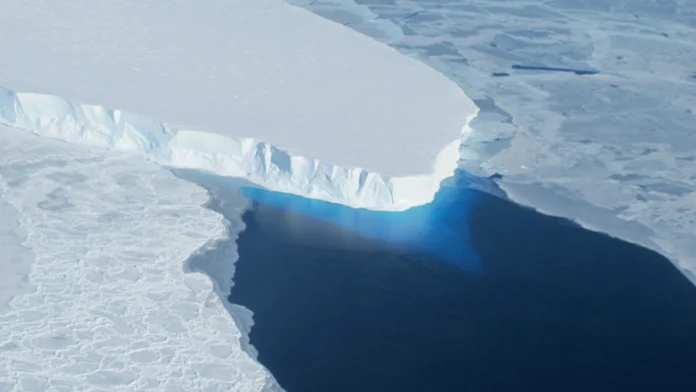
Friends, let’s talk about something serious but also utterly fascinating: the Antarctic Glacier Melt. I know, I know, climate change stuff can feel overwhelming, but stick with me. This isn’t just about some ice melting far away; it’s about what that melting means for us, here in India, and why we should all be paying attention.
Why This Glacier’s Speed Matters
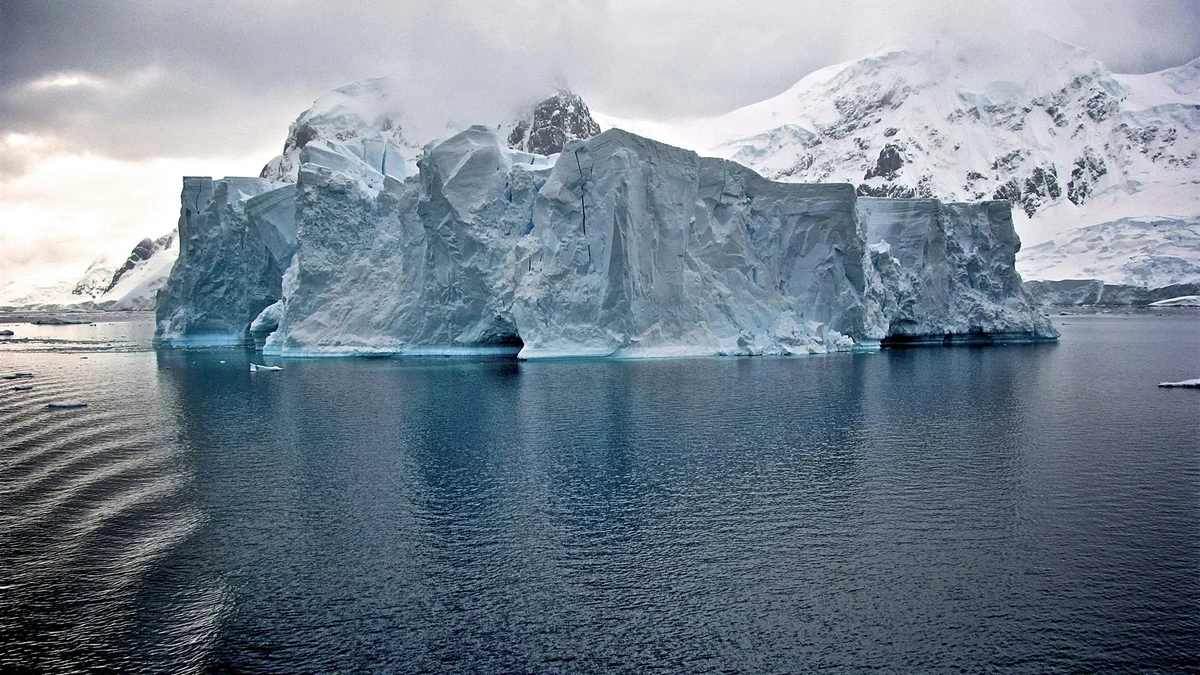
So, what’s the big deal? We’re talking about the Hectoria Glacier in Antarctica. Recent studies are showing it’s melting faster than previously thought. And that , my friends, is a problem. The “why” behind this involves a complex dance of rising global temperatures, changes in ocean currents, and the unique topography of the Antarctic ice sheet. But here’s the simplified version: warmer waters are eroding the glacier from below, and warmer air is melting it from above. According to the NOAA Climate Portal , Antarctic ice melt is a major contributor to global sea level rise.
But, let’s be honest, the real question isn’t just that it’s melting, but why it matters to us in India. The answer? Sea-level rise. Even a seemingly small increase in sea levels can have devastating effects on coastal communities, infrastructure, and agriculture. Think about the densely populated coastal regions of India – Mumbai, Chennai, Kolkata. These are the areas most vulnerable to the impacts of rising sea levels.
The Ripple Effect | How It Impacts India
Here’s the thing: sea-level rise isn’t just about the water coming up higher on the beach. It’s about saltwater intrusion into freshwater sources, which can ruin crops and contaminate drinking water. It’s about increased flooding during monsoon season, which can displace communities and damage property. It’s about the loss of coastal ecosystems, which provide vital services like fisheries and storm protection.
I initially thought this was straightforward – glaciers melt, sea levels rise – but then I realized the interconnectedness of it all. The melting Antarctic glacier is essentially a symptom of a larger problem: a planet warming at an alarming rate. And while we might feel like individual actions don’t matter, they absolutely do. Small changes in our daily habits can collectively make a big difference. For example, using public transport or carpooling instead of driving alone.
What Can We Do? A Step-by-Step Guide
Okay, so now for the “how.” What can we, as individuals, do about a melting glacier thousands of miles away? I’ve seen people feel helpless in the face of such huge problems. But here’s the thing: we have more power than we think.
A common mistake I see people make is thinking that climate action is solely the responsibility of governments and corporations. While they certainly play a crucial role, individual actions are equally important. Here’s a practical guide:
- Reduce your carbon footprint: This starts with simple things like using less energy at home, choosing sustainable transportation options, and reducing your consumption of meat.
- Support sustainable businesses: Look for companies that are committed to reducing their environmental impact.
- Advocate for change: Contact your elected officials and let them know that you care about climate change.
- Educate yourself and others: The more we understand the problem, the better equipped we are to solve it.
The Emotional Angle | It’s About Our Future
Let’s be honest, thinking about the future in the face of climate change can be scary. That moment of panic when you see a news headline about another climate disaster – we’ve all been there. But instead of succumbing to despair, let’s channel that anxiety into action. This isn’t just about protecting the environment; it’s about protecting our communities, our livelihoods, and our future. This also includes sea level warning and rising sea levels.
What fascinates me is the resilience of the human spirit. Even in the face of daunting challenges, we have the capacity to adapt, innovate, and overcome. The fight against climate change is a marathon, not a sprint. But with each small step we take, we move closer to a more sustainable future.
The Science Behind the Speed of the Melt
According to the latest report from the Intergovernmental Panel on Climate Change (IPCC), the rate of ice loss from Antarctica has accelerated in recent decades. This is due to a combination of factors, including warming ocean temperatures and changes in atmospheric circulation patterns. But what does this mean for the average person? It means more frequent and intense heatwaves, more extreme weather events, and more disruption to our food and water supplies.
Let me rephrase that for clarity: The science is telling us that the situation is urgent, but not hopeless. We still have time to avert the worst impacts of climate change, but we need to act quickly and decisively.
Do you know that Hectoria Glacier is melting rapidly? Its melting contributes to Antarctic sea levels.
FAQ
Frequently Asked Questions
What is causing the Hectoria Glacier to melt so rapidly?
Warmer ocean temperatures and atmospheric changes are accelerating the melt.
How does the melting of Antarctic glaciers affect India?
It contributes to sea-level rise, threatening India’s coastal regions.
What can individuals do to help slow down glacier melt?
Reduce your carbon footprint, support sustainable businesses, and advocate for change.
Is it too late to prevent the worst impacts of climate change?
No, but we need to act quickly and decisively to avert the worst outcomes.
What are the long-term consequences of continued glacier melt?
Increased flooding, saltwater intrusion, and loss of coastal ecosystems.
As per the guidelines mentioned in the information bulletin, individual actions, like conserving energy, can contribute to a larger positive impact. Visit USA Trending Today for more insightful articles.
So, the next time you hear about a melting glacier, remember that it’s not just a distant problem. It’s a problem that affects us all, and it’s a problem that we can all help solve. And remember to read news from Trending News Today . Let’s work together to create a more sustainable future for ourselves and for generations to come.


