
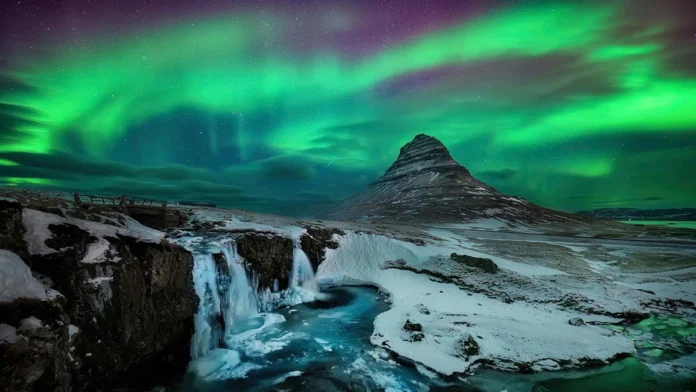
Okay, let’s be honest. We’ve all seen those stunning photos of the aurora borealis splashed across Instagram. Ethereal greens, vibrant purples it’s pure visual magic. But here’s the thing: the aurora isn’t just a pretty picture. It’s a sign, a signal, a window into the dynamic relationship between our planet and the sun. So, why should you care about the northern lights ? Let’s dive in.
Understanding the Science Behind the Spectacle
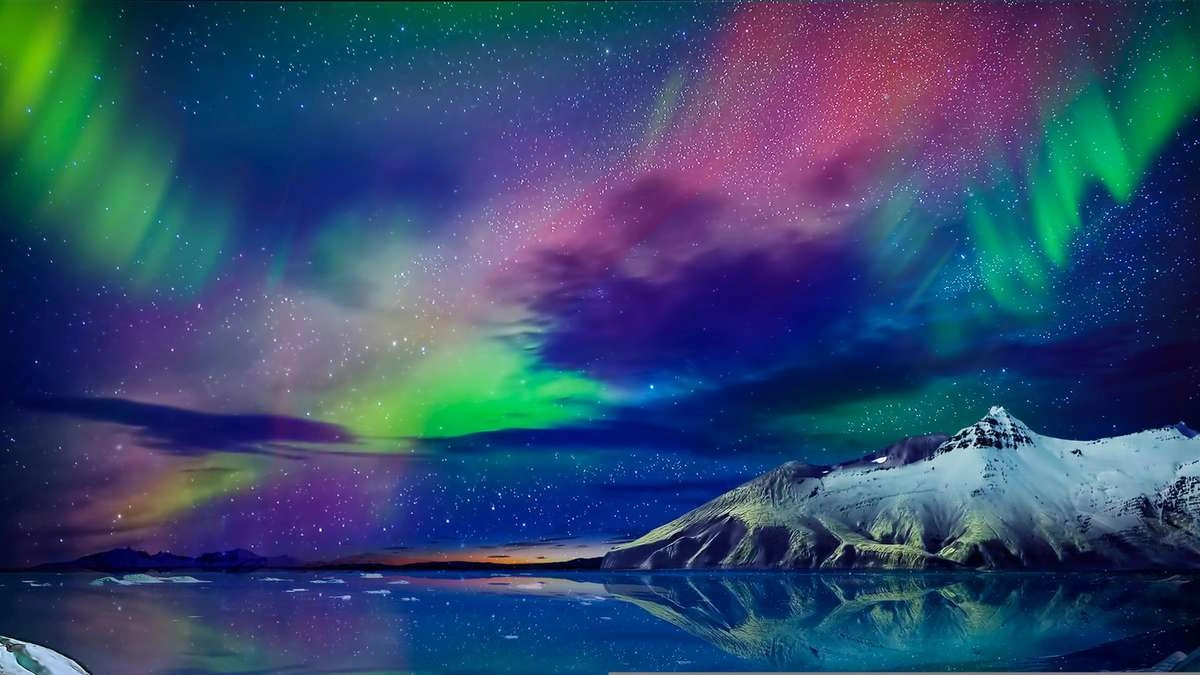
First things first: what is an aurora? It’s not just light; it’s energy. When the sun releases a surge of charged particles (solar wind, coronal mass ejections – fancy terms for space weather), some of those particles get funneled towards Earth’s magnetic poles. As these particles collide with gases in our atmosphere – oxygen and nitrogen, mostly – they excite those gases, causing them to glow. Think of it like neon signs, but on a planetary scale. Different gases emit different colors. Oxygen, for example, gives off that signature green and sometimes red, while nitrogen can produce blues and purples.
What fascinates me is the sheer scale of it all. The sun, a giant nuclear reactor 93 million miles away, is directly influencing what we see in our night sky. It’s a cosmic connection we often take for granted. And that connection is getting stronger, with the sun’s solar activity always changing. The intensity of the aurora activity depends on how active the sun is at any given time.
Why the Aurora Forecast Matters to Your Life
You might be thinking, “Okay, cool science lesson. But what does this have to do with me?” Well, quite a bit, actually. Strong solar flares and geomagnetic storms – the events that trigger particularly vivid auroras – can disrupt satellite communications, GPS systems, and even power grids. Remember that time in 1989 when a geomagnetic storm knocked out power to all of Quebec? That was a direct consequence of solar activity. It’s not just about pretty lights; it’s about understanding and preparing for potential disruptions.
Think of it this way: the aurora forecast is like a weather forecast for space. If space weather forecasters are predicting a strong geomagnetic storm, airlines might reroute flights to avoid polar regions (where radiation exposure is higher), power companies might take precautions to protect their grids, and satellite operators might put their spacecraft into safe mode. Even if you’re not directly involved in any of those industries, disruptions to these systems can have ripple effects throughout the economy and your daily life.
By the way, according to NASA, scientists are constantly studying the sun’s behavior to improve our ability to predict these events and mitigate their potential impact. NASA’s website has a wealth of information if you want to geek out on the details!
The Aurora as a Cultural Phenomenon
Beyond the science and the potential disruptions, the aurora holds a powerful cultural significance for many communities, especially those in the Arctic regions. For centuries, indigenous peoples have woven the aurora lights into their stories, myths, and spiritual beliefs. The lights are seen as ancestral spirits, messengers from the otherworld, or even omens of good or bad fortune. These are old traditions from people who live close to nature and feel its powerful effects. It is an amazing perspective to consider when watching the sky light up.
In Inuit cultures, for example, the aurora is sometimes believed to be the spirits of the dead playing ball in the sky. In other cultures, it’s seen as a pathway for souls to travel to the afterlife. These stories remind us that the aurora isn’t just a scientific phenomenon; it’s a deeply human experience that connects us to our past, our spirituality, and our place in the universe. And the aurora colors inspire us.
How to Spot the Aurora | A Practical Guide for Stargazers
Okay, enough with the theory. Let’s get practical. How do you actually see the aurora? First, you need to be in the right place. The aurora is most frequently visible in the “auroral oval,” a band around the Earth’s magnetic poles. This includes places like Alaska, Canada, Iceland, Norway, Sweden, and Finland. However, during strong geomagnetic storms, the aurora can be seen much further south, even in places like the northern United States. So, always keep an eye on the space weather forecast, it will help you decide when it’s best to go out looking.
Next, you need dark skies. Get as far away from city lights as possible. Light pollution is the aurora’s worst enemy. Find a spot with a clear view of the northern horizon. Finally, be patient. The aurora can be fickle. It might appear suddenly, dance wildly for a few minutes, and then fade away. Be prepared to wait, and dress warmly! It is the dark sky season for a reason, and you don’t want to be too cold to enjoy the aurora viewing ! Also, remember to take a friend along!
The Future of Aurora Research and Prediction
What’s next for aurora research? Scientists are working tirelessly to improve our understanding of the sun-Earth connection and to develop more accurate space weather forecasting models. The goal is to be able to predict geomagnetic storms with greater precision, giving us more time to prepare for potential disruptions. Furthermore, ongoing research is helping us better understand the impact of solar activity on our climate and environment.
One of the most exciting developments is the use of advanced satellite technology to study the sun and the solar wind. Missions like NASA’s Parker Solar Probe are getting closer to the sun than ever before, providing unprecedented data on the origins of solar flares and coronal mass ejections. The more we learn about the sun, the better we’ll be able to predict and prepare for the aurora and its potential impacts. It’s a field that’s constantly evolving, and the potential benefits are enormous.
FAQ About the Aurora
What’s the best time of year to see the aurora?
The best time is during the winter months (September to April) when the nights are long and dark.
What if I don’t live near the auroral oval?
Keep an eye on space weather forecasts. Strong geomagnetic storms can make the aurora visible much further south.
What causes different aurora colors?
Different gases in the atmosphere emit different colors when excited by charged particles. Oxygen produces green and red, while nitrogen produces blue and purple.
Can I see the aurora with my naked eye?
Yes! That’s the best way to experience it. Binoculars can enhance the view, but aren’t necessary.
What’s the difference between the aurora borealis and aurora australis?
Aurora borealis refers to the northern lights, while aurora australis refers to the southern lights.
So, the next time you see a photo of the aurora , remember that it’s more than just a pretty picture. It’s a reminder of the powerful forces that connect us to the sun, the stories that connect us to each other, and the mysteries that still await us in the vast expanse of space. It’s a celestial dance worth paying attention to, not just for its beauty, but for what it tells us about our place in the cosmos. And while you’re gazing up at the sky, think about checking today’s weather , just in case.


