
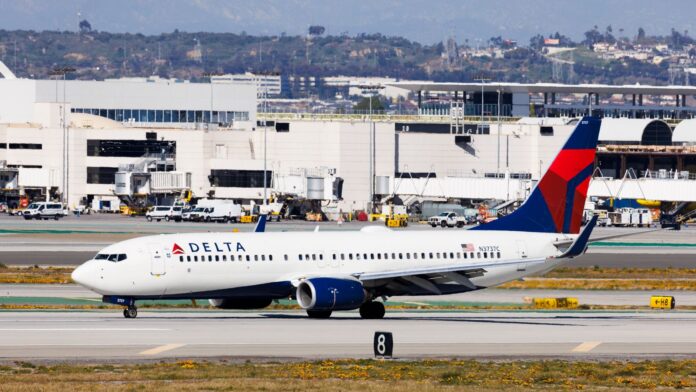
Delta flight attendant slide deployment In the high-pressure world of commercial aviation, where split-second decisions can mean the difference between routine travel and headline-making mishaps, a single unintended action can cascade into chaos. On the evening of October 25, 2025, at Pittsburgh International Airport (PIT), a veteran Delta Air Lines flight attendant triggered just such a sequence of events, accidentally deploying the emergency evacuation slide on an Airbus A220-300 bound for Salt Lake City. What should have been a standard departure for Flight DL3248 turned into a four-hour ordeal for 126 passengers and crew, stranding them aboard the aircraft, inflating repair costs to an estimated $70,000, and sparking a wave of online buzz from flustered apologies to aviation safety debates. As details emerge on October 27, this incident shines a spotlight on the razor-thin margin for error in airline operations, the human element behind the cockpit door, and the robust yet unforgiving safety systems designed to protect lives—even when they backfire spectacularly.
Deep dive unpacks the timeline, technical triggers, passenger frustrations, and broader implications of the mishap, framed by key highlights that capture its most critical facets. From the flight attendant’s 26-year spotless record to the overnight hotel vouchers that followed, the story is a stark reminder that in the skies, perfection is the baseline, and even minor lapses carry major weight.
Delta flight attendant slide deployment Incident Overview
According to reports, the incident took place on a Delta aircraft preparing for departure from an American airport. As the plane was still at the gate, a flight attendant allegedly accidentally triggered the emergency evacuation slide, causing it to deploy from one of the cabin doors.
Emergency slides are designed to deploy instantly and forcefully—capable of inflating in under six seconds to facilitate rapid evacuation during emergencies. When one is unintentionally released, it not only disrupts flight operations but also costs the airline thousands of dollars in repairs and delays.
How the Slide Deployment Happened?
Emergency slides are armed manually by flight attendants before takeoff and disarmed upon landing. The process ensures that in the event of an evacuation, the slide inflates automatically when a door is opened.
In this case, early reports suggest human error was the main cause. The attendant may have mistakenly opened an “armed” door, triggering the slide’s inflation system. Once the slide deployed, standard procedures required the aircraft to be grounded for safety checks and replacement of the deployed slide system.
Aviation experts emphasize that even small procedural mistakes can lead to costly results. Each slide costs between $20,000 and $30,000 to repack or replace, not to mention the additional expenses of delayed flights and passenger accommodations.
Passenger and Crew Reaction

Although passengers were not endangered, many expressed confusion and concern when they saw emergency vehicles surrounding the aircraft. Some posted videos on social media platforms like X (formerly Twitter) and TikTok, which quickly went viral, drawing millions of views within hours.
Several travelers noted how Delta’s ground crew and maintenance team acted swiftly, ensuring everyone’s safety and managing the situation calmly. The flight was rescheduled, and passengers were either placed on alternate flights or compensated for delays.
Delta’s Official Response
Delta Air Lines confirmed the incident in a brief statement:
[“We are aware of an incident involving the inadvertent deployment of an emergency slide on one of our aircraft. Safety remains our top priority, and we are conducting a thorough internal review.”]
The airline assured that no passengers or crew were injured, and maintenance teams followed strict inspection protocols before clearing the aircraft for service again.
Industry insiders note that Delta handled the situation transparently and efficiently, a move that reinforces its strong safety culture and brand trust among travelers.
Possible Causes and Contributing Factors

While investigations are still underway, experts have identified several possible contributing factors:
- Human Error: The most likely cause—misjudging whether the door was armed or disarmed.
- Crew Fatigue: Long shifts and high stress can lead to lapses in routine checks.
- Communication Gaps: Misunderstanding between flight attendants about slide arming status.
- Procedural Oversight: Failure to follow standard cross-check procedures before door operation.
Each of these factors is part of ongoing analysis by Delta’s Safety and Training Division, which regularly audits incidents to prevent future occurrences.
Financial and Operational Impact
Unintentional slide deployments are not just safety concerns—they carry a significant financial toll.
Each slide can cost up to $50,000 in repair, repacking, and inspection fees. Additionally, airlines face costs related to flight delays, compensation, and operational disruptions.
For Delta, known for its punctuality and efficiency, the incident was a setback but not a major crisis. The airline managed to reschedule the flight quickly and provided affected passengers with assistance and rebooking options.
Public and Media Reaction
Social media erupted with mixed reactions—some lighthearted, others serious. Many users empathized with the flight attendant, while others criticized the incident as avoidable.
Hashtags like #DeltaSlideIncident and #FlightSafety trended on X and Reddit discussions, where aviation enthusiasts dissected the event in detail.
Despite the viral attention, Delta received praise for its quick response and transparent communication, avoiding a potential PR backlash that could have worsened the situation.
Comparing Similar Incidents in Aviation
This isn’t the first time such an incident has occurred. Airlines worldwide have faced similar situations:
- In 2019, a United Airlines flight attendant accidentally deployed a slide in Chicago.
- In 2021, a Lufthansa crew member mistakenly armed the wrong door, causing slide deployment during boarding.
- In 2023, a British Airways plane faced a costly delay after an accidental slide activation at Heathrow Airport.
Such events serve as reminders that even with strict safety measures, aviation still depends heavily on human performance and vigilance.
Lessons Learned from the Delta Incident
The key takeaway from the Delta slide deployment is the critical importance of cross-checking safety procedures. Airlines use the “arm/disarm” process on every flight to ensure that all exits are correctly configured.
Lessons highlighted:
- Double-check door arming indicators before movement.
- Maintain focus during routine tasks, especially under time pressure.
- Encourage team communication and mutual verification among crew members.
- Use incidents as opportunities for ongoing training and process improvement.
Delta’s leadership emphasized that while mistakes happen, every incident becomes a learning opportunity to enhance safety and prevent recurrence.
Expert Opinions
Aviation safety experts, including former FAA inspectors, noted that Delta’s safety record remains exemplary. They praised the airline’s immediate action and commitment to transparency.
According to an aviation analyst,
[“Unintentional slide deployments are costly but rarely dangerous. What matters most is how airlines respond and learn from them—and Delta has done both exceptionally well.”]
Future Safety Improvements
Following this event, Delta is reportedly reviewing new procedural safeguards, such as:
- Enhanced door indicators that alert attendants when the door is armed.
- Updated crew checklists with digital verification systems.
- Periodic refresher training using virtual simulations of door arming/disarming.
These improvements could soon become standard across the airline industry, reducing the likelihood of similar incidents in the future.
Final Thoughts
The Delta flight attendant slide deployment incident serves as a valuable reminder that aviation safety, though highly advanced, still relies on human precision. While no one was hurt, the incident reinforces the need for constant vigilance, teamwork, and updated training within airline operations.
Delta’s swift handling of the event and open communication demonstrate why it continues to be one of the most trusted airlines globally. With stronger safeguards, better technology, and a continued focus on safety culture, the chances of such accidents recurring remain low.


