
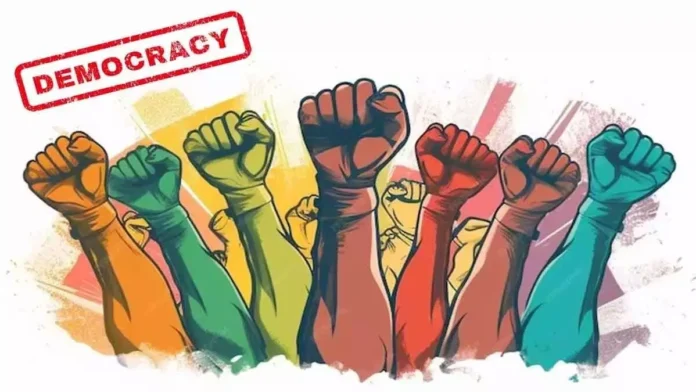
Let’s be honest, the word ‘ democracy ‘ gets thrown around a lot. We hear it in political speeches, see it in news headlines, and generally assume we know what it means. But – and this is a big but – do we really understand what democracy is, how it functions (or doesn’t), and, most importantly, why it matters to your everyday life here in the United States?
I initially thought this was a straightforward concept, something I could explain in a few paragraphs. But the more I dug in, the more I realized just how complex and often contradictory the idea of democracy can be. So, let’s unpack this together, shall we?
The Illusion of Choice | Are We Really in Control?
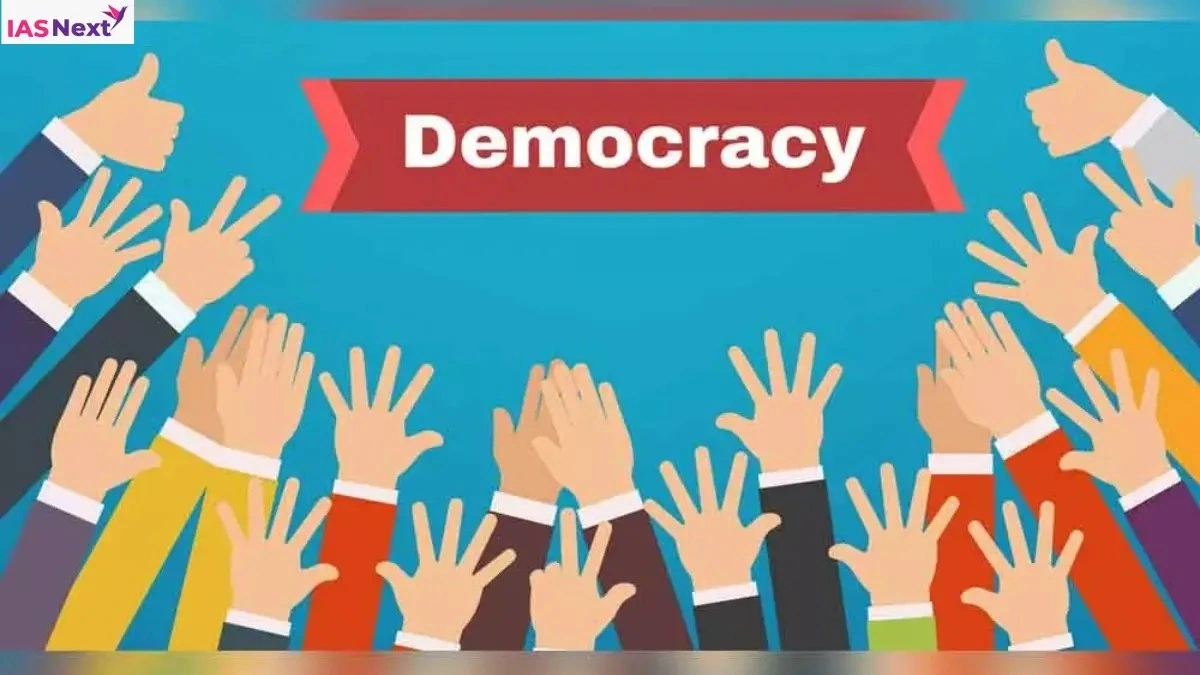
One of the core tenets of democracy is the idea of popular sovereignty – that the power resides in the people. We vote, we elect representatives, and they, in theory, act on our behalf. But here’s the thing: how much real control do we actually have? Think about it. Lobbying, campaign finance, and gerrymandering all play a role in shaping the political landscape. Are our voices truly being heard, or are they being drowned out by powerful interests?
This isn’t to say that voting doesn’t matter – it absolutely does. But it’s crucial to recognize that democracy isn’t just about casting a ballot every few years. It’s about continuous engagement, holding our elected officials accountable, and demanding transparency. It also involves advocating for fair and equitable access to the ballot box for all citizens, which, as the Brennan Center for Justice points out, is constantly under threat.
The question becomes: how do we move beyond the illusion of choice and create a more genuinely representative system? Well, that’s where things get tricky…
The American Experiment | A Flawed Masterpiece?
The United States likes to bill itself as a beacon of democracy , a shining example for the rest of the world. And in some ways, it is. The Founding Fathers, whatever their flaws, did attempt to create a system of government that protected individual liberties and limited the power of the state.
But let’s be honest, the American experiment has always been a work in progress – a flawed masterpiece, if you will. From its inception, it excluded large segments of the population, including enslaved people and women. And while those formal exclusions have been removed, systemic inequalities persist.
What fascinates me is how the original design of the American democracy , with its checks and balances and separation of powers, was intended to prevent tyranny. But those same mechanisms can also lead to gridlock and inaction. Think about the constant partisan bickering in Congress – is that really serving the interests of the people? Or is it just a reflection of a deeply divided society?
Consider also the role of the Electoral College. It was designed as a compromise between direct election of the president by popular vote and election by Congress. But it can (and has) resulted in a president being elected without winning the popular vote, raising questions about the legitimacy of the outcome.
And that relates to political participation, where some feel their vote doesn’t matter due to this system. You can also look at ways in which the electoral system impacts civic engagement. How can we be sure that the will of the people is being delivered on?
The Digital Age | Democracy’s New Battlefield
The rise of the internet and social media has profoundly reshaped the landscape of democracy . On the one hand, it’s given ordinary people a platform to voice their opinions, organize movements, and hold power to account. But on the other hand, it’s also created new avenues for disinformation, manipulation, and polarization. And that’s why civic responsibility is so important.
Fake news, echo chambers, and online harassment are all threats to a healthy democracy . How do we combat these challenges while preserving freedom of speech and expression? It’s a question that policymakers, tech companies, and individuals are grappling with.
I initially thought that more information would automatically lead to a more informed citizenry. But it turns out that’s not necessarily the case. The sheer volume of information, coupled with the algorithms that curate our online experiences, can actually make it harder to distinguish fact from fiction and to engage in meaningful dialogue with people who hold different views.
The spread of misinformation is a serious issue, and online forums are often where the problems start. What impact does social media have on the political process?
Reclaiming Our Democracy | A Call to Action
So, where does all this leave us? Is democracy doomed to fail? I don’t think so. But it requires constant vigilance, critical thinking, and a willingness to engage in difficult conversations. We need to actively participate in the political process, support independent journalism, and demand accountability from our leaders.
A common mistake I see people make is thinking that democracy is something that’s handed down from above. It’s not. It’s something that we have to actively create and maintain. It requires a commitment to the common good, a willingness to compromise, and a recognition that we’re all in this together.
The one thing you absolutely must remember is that democracy is not a spectator sport. It’s a participatory process that requires everyone to get involved. And that means not just voting, but also speaking out, organizing, and holding power to account. Don’t just read headlines; understand the nuances. Don’t just accept what you’re told; question everything. And don’t let cynicism paralyze you; find ways to make a difference.
FAQ About Democracy
What if I feel like my vote doesn’t matter?
It’s understandable to feel that way, especially in a large country. But every vote counts, especially in local elections.
How can I tell if news is fake?
Check multiple sources, look for credible reporting, and be wary of sensational headlines.
What can I do to make my voice heard?
Contact your elected officials, attend town hall meetings, and participate in peaceful protests.
Is democracy the best form of government?
It has its flaws, but it’s generally considered better than authoritarian alternatives.
What’s the biggest threat to democracy today?
Apathy and disengagement are significant threats. It relies on informed and active citizens.
Democracy, at its heart, isn’t a system. It’s a conversation. A messy, loud, frustrating, and ultimately hopeful conversation about how we want to live together. And the only way that conversation can thrive is if we all participate – honestly, openly, and with a genuine desire to understand each other.
Read more to learn about how political changes can affect democracy.


