

Dick Cheney. The name alone conjures up a range of emotions, doesn’t it? But let’s be honest, most of what we know about him comes from sound bites and political cartoons. What fascinates me is the why behind the man – why did he make the decisions he did, and what’s the real legacy he leaves behind? This isn’t just about rehashing old news; it’s about understanding the forces that shaped one of the most influential figures in modern American history.
The Architect of Modern Conservatism?
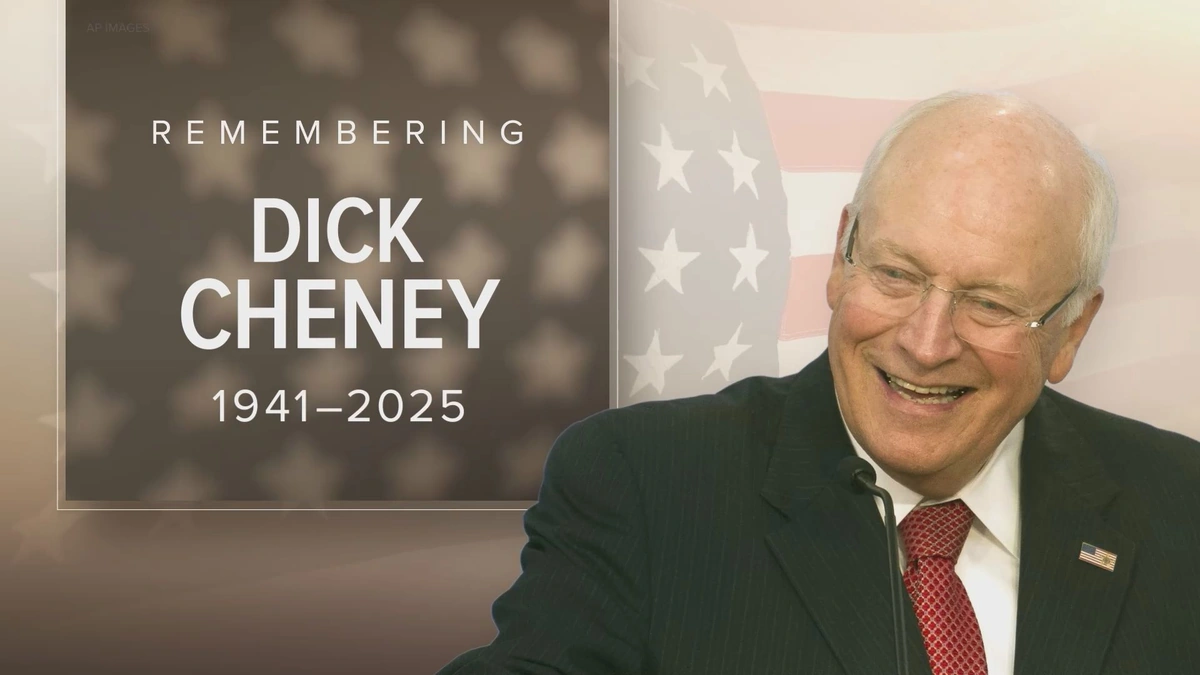
Cheney’s career spans decades, from the Nixon administration to his role as CEO of Halliburton and, of course, his eight years as Vice President under George W. Bush. But, here’s the thing: understanding Dick Cheney’s political career requires looking at his consistent advocacy for a strong executive branch. He believed in a powerful presidency, even to the point where critics argued he overstepped the boundaries of his office. Was he a staunch defender of American interests, or did his vision of executive power pave the way for future abuses? That’s the debate that continues to rage, and it’s not a simple one. You can find a related article about the events happening today at USATrendingTodays.com .
The Shadow Over Iraq | A Legacy of War
No discussion of Dick Cheney is complete without addressing the Iraq War . He was, without a doubt, one of the strongest voices pushing for military intervention. The justification for the war, the intelligence failures, and the long-term consequences – it all casts a long shadow over his legacy. It’s easy to point fingers and assign blame, but I think it’s crucial to understand the mindset at the time. In the wake of 9/11, fear and a desire for decisive action gripped the nation. Cheney, with his unwavering belief in American power, tapped into that sentiment. But, was it the right call? History will continue to judge.
Halliburton and the Revolving Door
Before becoming Vice President, Cheney served as the CEO of Halliburton, a major oilfield services company. And that’s where things get complicated. His critics often point to Halliburton’s lucrative contracts during the Iraq War as evidence of corporate profiteering and a conflict of interest. Let me rephrase that for clarity: The company benefited massively from a war that Cheney had strongly advocated for. Now, was that just good business, or was it something more sinister? It’s a question that continues to fuel debate about the role of money in politics and the blurred lines between public service and private gain. He later sold his stake in the company, but for many the impression remained. You can read more about corporate governance on Wikipedia .
The Heart Attack Survivor Who Shaped Policy
What often gets lost in the political analysis is the personal story. Cheney battled heart disease for years, undergoing multiple surgeries and even receiving a heart transplant. But, here’s the thing: his health struggles didn’t slow him down. If anything, they seemed to fuel his determination. He approached policy with a sense of urgency, perhaps driven by the awareness of his own mortality. That personal context adds another layer to understanding his decisions. The relentless pressure he faced likely played a part in his actions during a time of such significant national change. In fact, his health issues made him all the more determined, or so it seemed.
A Polarizing Figure in American Politics
Dick Cheney remains one of the most polarizing figures in recent American history. He is either seen as a staunch defender of American security interests or a hawkish warmonger who abused his power. There is no middle ground. To truly comprehend his impact, it’s vital to look beyond the surface-level narratives and consider the complexities of his motivations, the historical context in which he operated, and the long-term consequences of his actions. His influence on US foreign policy is undeniable, shaping both domestic and international landscapes in ways that continue to be felt today. His decisions helped the country through a tumultuous time, but at the same time, they stirred quite a bit of controversy. You can also learn about political influence on USATrendingTodays.com .
FAQ | Understanding Dick Cheney’s Legacy
What was Dick Cheney’s role in the Bush administration?
He served as Vice President under President George W. Bush from 2001 to 2009, playing a key role in shaping domestic and foreign policy.
Why is Dick Cheney such a controversial figure?
His strong advocacy for the Iraq War and his role as CEO of Halliburton have made him a target of criticism.
What were some of Dick Cheney’s key policy positions?
He was a staunch advocate for a strong executive branch, lower taxes, and a robust national defense.
How did Dick Cheney’s health affect his political career?
While he battled heart disease for years, it didn’t significantly slow him down, and some argue it even fueled his determination.
What is Dick Cheney doing now?
Since leaving office, Cheney has remained active in public life, writing books and offering commentary on political events.
What is Cheney’s impact on American Politics?
His time in office helped shape the landscape of American policy for years, with effects that are still felt today.


