
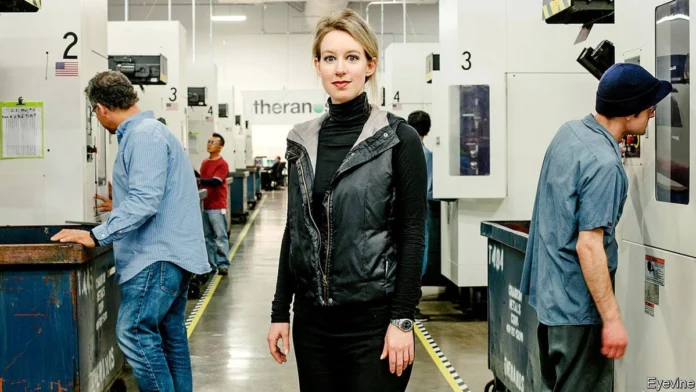
Elizabeth Holmes. The name conjures up images of Silicon Valley hubris, broken promises, and a spectacular fall from grace. But here’s the thing: the story of Theranos and its founder isn’t just a cautionary tale about tech startups gone wrong. It’s a mirror reflecting our own desires, our willingness to believe in the unbelievable, and the dangers of prioritizing hype over substance. Let’s be honest, we all wanted Theranos to succeed. We wanted a simple blood test that could revolutionize healthcare. But what happened ?
Why Did We All Believe Elizabeth Holmes? The Power of Narrative
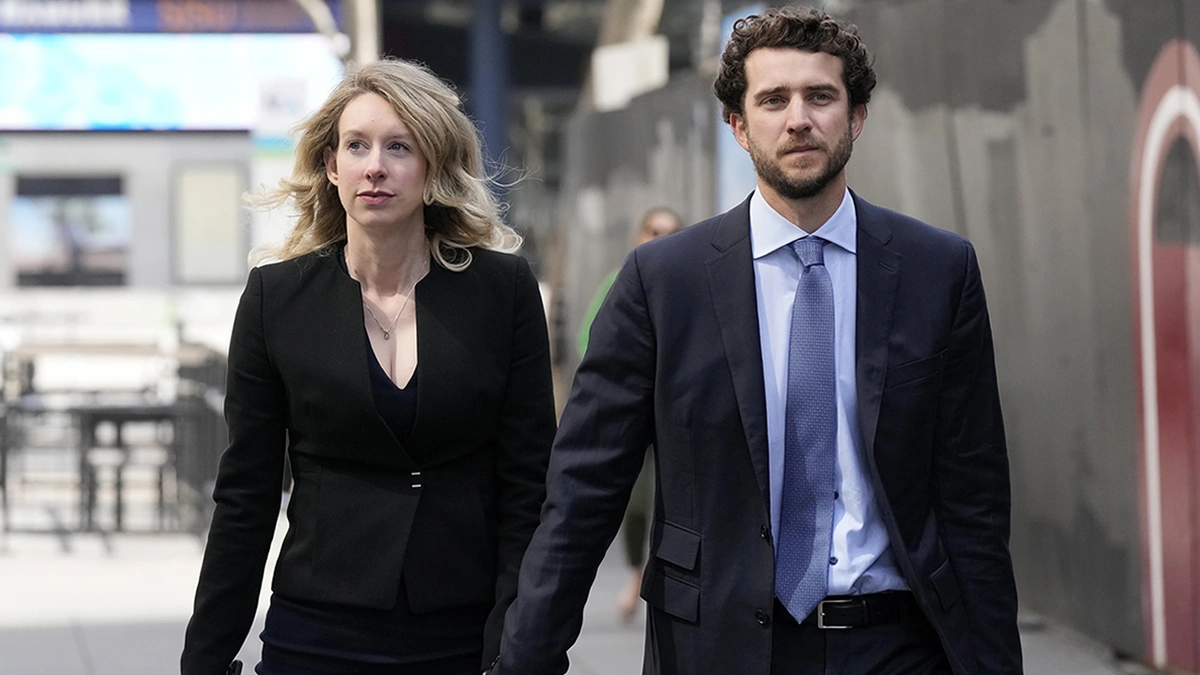
Elizabeth Holmes wasn’t just selling a product; she was selling a story. A story of innovation, disruption, and a younger, female Steve Jobs. The black turtlenecks, the baritone voice – it was all carefully crafted. And it worked. Investors poured money into Theranos, drawn in by the promise of revolutionizing the healthcare industry. She masterfully presented her ideas, often with compelling anecdotes and a clear vision of a better future. People wanted to believe. They were captivated by her charisma and relentless dedication.
But here’s the deeper question: why were we so eager to believe? Perhaps it’s because we’re constantly bombarded with narratives of overnight success and groundbreaking innovations. We’re conditioned to expect miracles from Silicon Valley, and Elizabeth Holmes tapped into that expectation. And that made the deception all the more painful. Think about it: How often do we critically examine the claims of tech companies before jumping on the bandwagon?
The House of Cards | How Theranos Unraveled
The cracks in the Theranos facade began to appear when investigative journalist John Carreyrou of The Wall Street Journal started digging. Carreyrou’s meticulous reporting exposed the flaws in Theranos’s technology and the company’s questionable practices. He spoke with former employees, meticulously analyzed documents, and challenged the company’s claims. This investigation, which was later detailed in his book “Bad Blood,” played a pivotal role in bringing the truth to light. The company’s technology simply didn’t work as promised. The blood-testing devices were inaccurate and unreliable, and Theranos was using conventional blood-testing machines for most of its results, while regulators began taking a closer look. As per the guidelines of FDA, transparency is one of the key to gain trust.
But the truth wasn’t just about technological limitations. It was about a culture of secrecy and deception. Employees who raised concerns were silenced or fired. Data was manipulated to present a rosier picture than reality. And investors , blinded by the hype, failed to conduct proper due diligence. It’s important to remember that whistleblowers within the company risked their careers to expose the truth. These individuals played a crucial role in uncovering the fraud and holding Theranos accountable. It all came crashing down.
The Trial and Its Aftermath | What Does it Mean for Silicon Valley?
Elizabeth Holmes was ultimately convicted on multiple counts of fraud, highlighting the severe consequences of misleading investors and the public. The trial served as a stark reminder that even in the high-stakes world of Silicon Valley, ethical behavior and accountability are paramount. Her sentencing to over 11 years in prison sent shockwaves through the tech industry.The trial wasn’t just about one person’s actions;it raised broader questions about the culture of Silicon Valley. The intense pressure to innovate, the emphasis on rapid growth, and the tolerance for risk-taking can create an environment where ethical boundaries are blurred. It’s a culture that often rewards those who can sell a vision, even if that vision is built on shaky foundations.
But the Theranos case isn’t just about punishing bad actors. It’s about learning from our mistakes and creating a more responsible tech ecosystem. It’s about encouraging critical thinking, promoting transparency, and holding companies accountable for their promises. According to a report published on Wikipedia , the entire event had ripple effect on the industry .The fall of Theranos serves as a crucial lesson for future entrepreneurs. It underscores the importance of building businesses on solid foundations of integrity, transparency, and rigorous scientific validation, rather than solely on hype and unrealistic promises.
The Lingering Questions | What Could Have Been Done Differently?
Looking back, it’s easy to point fingers and ask, “How could this have happened?” But the reality is that the Theranos saga involved a complex web of factors, including a charismatic founder, eager investors, and a culture that often prioritizes innovation over due diligence. So, what could have been done differently? For one, investors needed to be more skeptical and conduct more thorough research before pouring money into Theranos. They were probably motivated by potential profit . The media also played a role, often portraying Holmes as a visionary without adequately questioning her claims. Regulators needed to be more proactive in overseeing the company’s operations and ensuring that its technology met safety standards.
And perhaps most importantly, we as a society need to be more critical of the narratives we’re fed. We need to question the hype, demand evidence, and be wary of promises that sound too good to be true. A common mistake I see people make is blindly trusting authority figures without doing their own research. In today’s world, critical thinking is crucial, but astechnology evolves,so too must our understanding of it.
The Future of Healthcare Innovation | Learning from the Theranos Debacle
The Theranos scandal undoubtedly cast a shadow over the healthcare innovation landscape. But it also presented an opportunity for introspection and reform. What fascinates me is how this event could potentially foster more responsible and ethical practices. Now, there’s a stronger emphasis on transparency, rigorous validation, and realistic assessments of technological capabilities. New companies are now more aware of the potential consequences of overpromising and underdelivering, leading to a more cautious and data-driven approach to innovation. Moreover, regulatory agencies and investors are implementing stricter oversight and due diligence procedures. I initially thought this was straightforward, but then I realized that the impact of the Theranos debacle could be complex. It may have instilled a level of caution that could hinder potentially game-changing developments. Finding the right balance between encouraging innovation and ensuring ethical conduct will be key to fostering a healthier and more reliable healthcare technology sector.
FAQ | Unpacking the Elizabeth Holmes and Theranos Story
Frequently Asked Questions
What exactly did Elizabeth Holmes do?
Elizabeth Holmes founded Theranos, a blood-testing company, and claimed it had revolutionary technology that could perform numerous tests with just a few drops of blood. These claims turned out to be false, and she was convicted of defrauding investors.
What was the main problem with Theranos’s technology?
The technology simply didn’t work as promised. The blood-testing devices were inaccurate and unreliable.
What were the consequences for Elizabeth Holmes?
Holmes was convicted on multiple counts of fraud and sentenced to over 11 years in prison.
What lessons can be learned from the Theranos scandal?
The Theranos case highlights the importance of ethical behavior, transparency, and due diligence in the tech industry. Investors, regulators, and the public need to be more critical of claims made by companies, especially in the realm of healthcare.
How has the Theranos scandal affected Silicon Valley?
The scandal has led to increased scrutiny of tech startups and a greater emphasis on responsible innovation.
The story of Elizabeth Holmes and Theranos is more than just a tale of fraud; it’s a reflection of our own aspirations and vulnerabilities. It’s a reminder that true innovation requires more than just a compelling story; it requires substance, integrity, and a commitment to the truth.


