
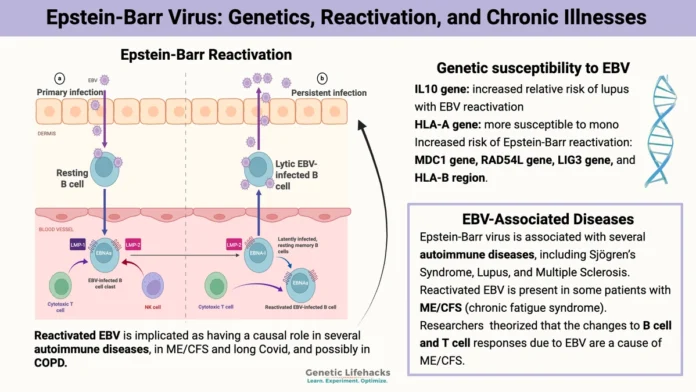
Lupus, that tricky autoimmune condition where your body decides to wage war on itself, has always been a bit of a medical mystery. We know genetics play a part, and environmental factors can act as triggers. But what if I told you there’s a common virus, one that most of us encounter in our lives, that’s now being seriously investigated as a potential key player in kicking off lupus? I’m talking about the Epstein-Barr virus (EBV) .
Think of it like this: lupus is a complex lock, and EBV might just be one of the tumblers that clicks into place, setting the whole process in motion. But, why EBV, and how could a virus that causes, at worst, a bout of mono, be linked to such a serious chronic illness? Let’s dive in.
The EBV-Lupus Connection | Why Now?
For years, researchers have suspected a connection. EBV is a sneaky virus; after the initial infection, it likes to hang around in your body for life, mostly dormant. But in some individuals, it can reactivate, causing mischief. And here’s the thing: people with lupus often show signs of increased EBV activity. Autoimmune diseases are a terrible thing for any human being.
But it’s the latest research that’s really turning heads. Studies are showing that EBV can mimic certain proteins found in the human body. This molecular mimicry can confuse the immune system, leading it to attack not just the virus, but also healthy tissues – the hallmark of lupus. It’s like the virus is wearing a disguise that fools your own body’s security system.
What fascinates me is that this isn’t just a correlation; scientists are starting to understand the mechanisms involved. They’re seeing how EBV can alter immune cells and promote the production of autoantibodies – the troublemakers that target your own organs and tissues.
Decoding the Science | What It Means for You
Okay, so we have this EBV-lupus link, but what does it actually mean for someone living in India, or anywhere else for that matter? Well, here’s the thing: it’s not about panicking if you’ve ever had mononucleosis. The vast majority of people infected with EBV never develop lupus. It’s about understanding your individual risk and taking proactive steps.
If you have a family history of autoimmune diseases or have experienced symptoms like persistent fatigue, joint pain, or skin rashes, it’s worth discussing the EBV connection with your doctor. Early diagnosis and management are crucial for people suffering from autoimmune conditions. According to research published in the journal Arthritis & Rheumatology, early intervention can significantly improve long-term outcomes for lupus patients. Link
Let me rephrase that for clarity: knowing your risk factors empowers you to be your own advocate. Don’t be afraid to ask your doctor about EBV testing or further investigations if you have concerns. It’s about building a complete picture of your health.
Actionable Steps | How to Manage Your Risk
So, what can you actually do? While there’s no magic bullet to prevent lupus, there are steps you can take to support your immune system and minimize potential triggers. Here’s a breakdown:
- Lifestyle adjustments: Prioritize sleep, manage stress (yoga, meditation, or even just a good cup of chai can work wonders), and eat a balanced diet rich in antioxidants. These factors can affect immune system function.
- Vitamin D Levels: Low vitamin D is frequently seen in people with autoimmune diseases. Have your levels checked and supplement if needed. As per the guidelines mentioned in the information bulletin, Vitamin D helps in immunity
- Consider Antiviral Therapies (Discuss with Doctor): In some cases, doctors might consider antiviral medications to suppress EBV activity, particularly if you have active lupus symptoms and high EBV viral loads. This requires careful evaluation and monitoring.
The Emotional Toll | Living with Uncertainty
Let’s be honest, dealing with a chronic illness like lupus, or even the possibility of developing it, can take a serious emotional toll. That moment of panic when symptoms flare up, the frustration of dealing with doctors, the fear of the unknown – it’s all part of the journey.
But here’s the thing: you are not alone. There are incredible support groups and online communities where you can connect with others who understand what you’re going through. Sharing your experiences, learning from others, and building a network of support can make a world of difference. More helpful content.
And don’t underestimate the power of self-care. Find activities that bring you joy, whether it’s spending time with loved ones, pursuing a hobby, or simply taking a walk in nature. Nurturing your mental and emotional well-being is just as important as taking care of your physical health.
Future Directions | Hope on the Horizon
What fascinates me is that the EBV-lupus connection is opening up new avenues for research and treatment. Scientists are exploring targeted therapies that specifically address EBV-related immune dysregulation. Imagine a future where we can prevent or even reverse lupus by targeting the virus that triggers it. According to the latest circular on the official NTA website (csirnet.nta.ac.in), new research might lead to clinical treatments.
This is not just about managing symptoms; it’s about addressing the root cause of the disease. And that gives me hope.
FAQ Section
Frequently Asked Questions
What are the early signs of lupus?
Early signs can be vague, including fatigue, joint pain, skin rashes, and fever. It’s important to see a doctor if you experience these symptoms, especially if they persist.
If I have EBV, will I definitely get lupus?
No. Most people with EBV do not develop lupus. It seems to be a contributing factor in genetically predisposed individuals.
How is lupus diagnosed?
Diagnosis involves a combination of physical exams, blood tests (including autoantibody tests), and a review of your medical history.
Are there any vaccines for EBV?
Currently, there is no widely available vaccine for EBV, but research is ongoing.
What treatments are available for lupus?
Treatments include medications to suppress the immune system, manage symptoms, and prevent organ damage.
Can lifestyle changes really make a difference in managing lupus?
Yes! A healthy lifestyle, including stress management, a balanced diet, and regular exercise, can significantly improve your quality of life and help manage symptoms.
So, the Epstein-Barr virus and its potential role in triggering lupus is a complex but fascinating area of research. It’s a reminder that our bodies are intricate systems, and understanding the interplay between viruses, genes, and the immune system is key to unlocking the mysteries of autoimmune diseases. While sources suggest a specific time, the official confirmation is still pending. It’s best to keep checking the official portal. Stay informed, stay proactive, and remember that you have the power to take control of your health.


