

Colorado wildfires are, sadly, becoming a recurring feature of our lives. But it’s not enough to just read the headlines. Let’s be honest, headlines only scratch the surface. What’s truly going on? Why are these fires happening with such increasing frequency? And, most importantly, what does it mean for you, for me, and for the future of this beautiful state? I want to get into the ‘why’ behind the smoke and flames, offering some perspective beyond the immediate crisis.
The Climate Connection | More Than Just a Dry Spell
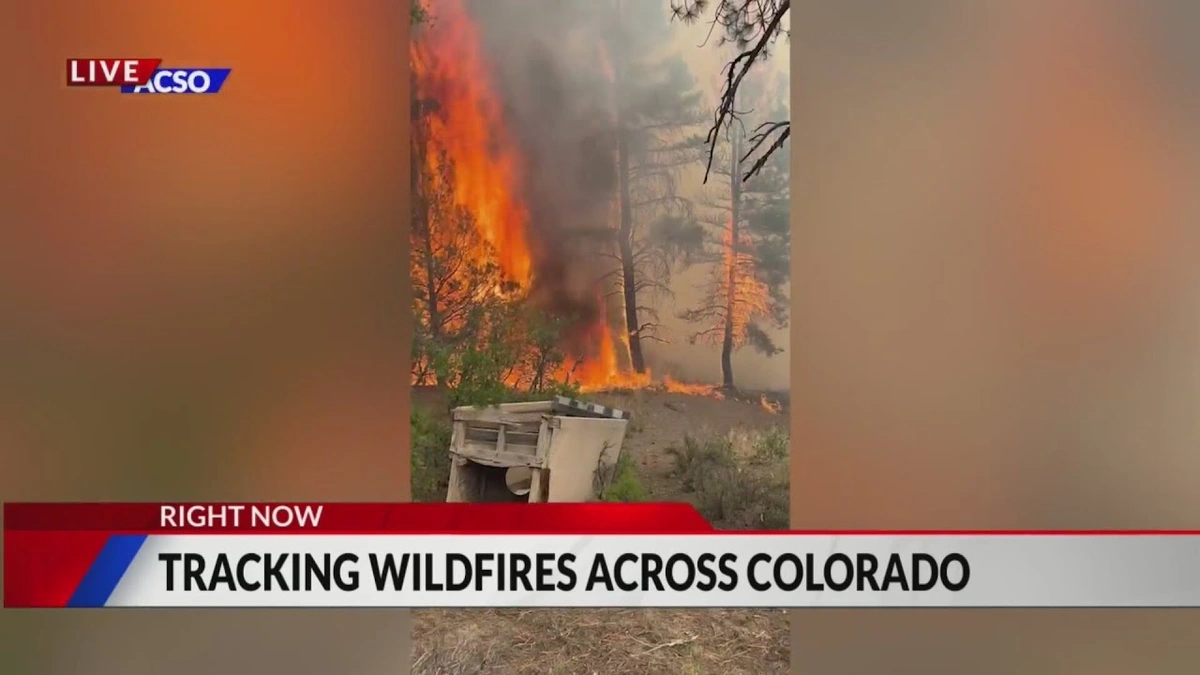
It’s easy to point fingers at dry conditions, and yes, prolonged drought certainly plays a role. But the climate connection runs deeper than that. A warming planet means longer fire seasons, drier vegetation (AKA fuel), and more extreme weather events that can quickly ignite and spread a fire. But, here’s the thing: understanding this link is crucial because it frames the problem not as a one-off disaster, but as a symptom of a much larger issue requiring systemic change. The frequency of extreme weather is rising.
Colorado’s unique geography – a mix of forests, grasslands, and high-altitude terrain – also makes it particularly vulnerable. Add to that a history of fire suppression, which has led to a buildup of dry underbrush in many areas, and you’ve got a recipe for disaster. This isn’t just about weather; it’s about how we’ve managed our landscapes and how our changing climate is exacerbating existing problems.
The Human Factor | Where We Build Matters
Let’s be frank – people love living in Colorado. And who can blame them? But that influx of population has pushed development further and further into what’s known as the wildland-urban interface – that zone where homes meet undeveloped, often fire-prone vegetation. This puts more people and property at risk. It also increases the chances of human-caused ignitions, which, let’s face it, are a significant percentage of the causes of wildfires . But the implications are far-reaching, affecting insurance rates, property values, and the overall sense of security for many communities.
But, it’s not just about where we build, but how we build. Homes constructed with fire-resistant materials, defensible space around properties (cleared of vegetation), and community-wide fire mitigation plans can significantly reduce the risk. These aren’t just nice-to-haves; they’re becoming necessities. Building codes and community planning need to adapt to this new reality.
Economic Impact | The Burning Costs of Wildfires
Beyond the immediate destruction and loss of life, wildfires have a significant economic impact. Think about it: firefighting costs, property damage, business interruption, decreased tourism, and long-term health effects from smoke exposure – it all adds up. Colorado’s economy relies heavily on outdoor recreation and tourism. When wildfires shut down parks, forests, and ski areas, it hits the state’s bottom line. But the costs extend beyond the tourism sector.
The impact on insurance companies is also huge, with payouts for property damage driving up premiums for everyone. Furthermore, consider the cost of recovery and rebuilding. Communities affected by wildfires often face years of challenges as they try to rebuild infrastructure, restore ecosystems, and help residents recover from trauma. What fascinates me is how the economic burden disproportionately affects lower-income communities.
The Future of Fire in Colorado | Adaptation and Resilience
Okay, so what can we do? It’s clear that wildfire prevention is key, and that means a multi-pronged approach. Firstly, aggressive forest management practices, including thinning and prescribed burns, can help reduce fuel loads. (Prescribed burns are controlled fires that remove dry vegetation before it becomes a major fire hazard.) Secondly, educating the public about fire safety and responsible behavior in fire-prone areas is crucial. But the biggest shift needs to be in how we adapt to living with fire.
That might mean rethinking where and how we build, investing in community-wide fire mitigation efforts, and supporting policies that address climate change. It also means acknowledging that fire is a natural part of the ecosystem in many areas and that we need to learn to manage it rather than trying to eliminate it entirely. Improving infrastructure and awareness can help communities in the long run.
This is where individual responsibility comes in. Creating defensible space around your home, having an evacuation plan, and staying informed about fire risks are all essential steps. But it also means advocating for policies and practices that will make our communities more resilient in the face of increasing wildfire threats.
Looking Ahead | A Call for Collective Action
The challenge of Colorado wildfire is complex, with no easy solutions. It requires a concerted effort from individuals, communities, government agencies, and businesses. What I initially thought was a straightforward issue is anything but. The economic, ecologic and climatological impacts need to be taken into consideration when making any decisions regarding the safety and management of Colorado. We need to move beyond simply reacting to fires to proactively managing the risks and building more resilient communities. The future of Colorado depends on it.
FAQ | Your Burning Questions Answered
What causes most wildfires in Colorado?
While lightning strikes are a natural cause, the majority of wildfires in Colorado are caused by humans. This includes unattended campfires, equipment use, and even discarded cigarettes.
How can I protect my home from wildfires?
Creating defensible space around your home is crucial. This involves removing vegetation within a certain radius of your house, using fire-resistant building materials, and cleaning gutters regularly.
What should I do if a wildfire is approaching my area?
Have an evacuation plan in place, stay informed about fire updates from local authorities, and be prepared to evacuate quickly if ordered to do so.
How does climate change affect wildfires in Colorado?
Climate change contributes to longer fire seasons, drier conditions, and more extreme weather events, all of which increase the risk and intensity of wildfires.
Where can I find information about current wildfires in Colorado?
Reliable sources include the Colorado Division of Fire Prevention and Control website and local news outlets.
The reality is, understanding the ‘why’ behind the growing wildfire threat in Colorado is the first step toward creating a more resilient future. It’s about acknowledging the complex interplay of climate change, human behavior, and land management practices, and taking proactive steps to address the risks. It’s not just about fighting fires; it’s about building a future where our communities can thrive in the face of a changing climate. So, what action will you take today?


