
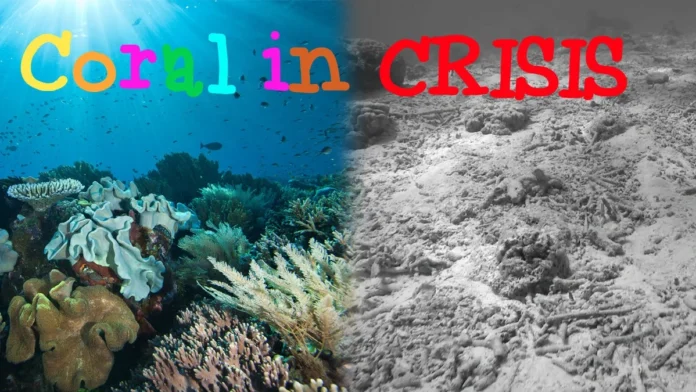
Okay, folks, let’s talk about something that should have all of us deeply concerned, especially those of us who appreciate the stunning beauty and vital importance of our oceans. Florida’s staghorn and elkhorn corals , two of the most iconic reef-building species, are facing a catastrophic decline. This isn’t just a local problem; it’s a blaring alarm about the accelerating climate pressures on coral reefs around the globe. What fascinates me is not just the loss itself, but what it signals for the future of our oceans.
The Grim Reality | What’s Happening to Florida’s Corals?
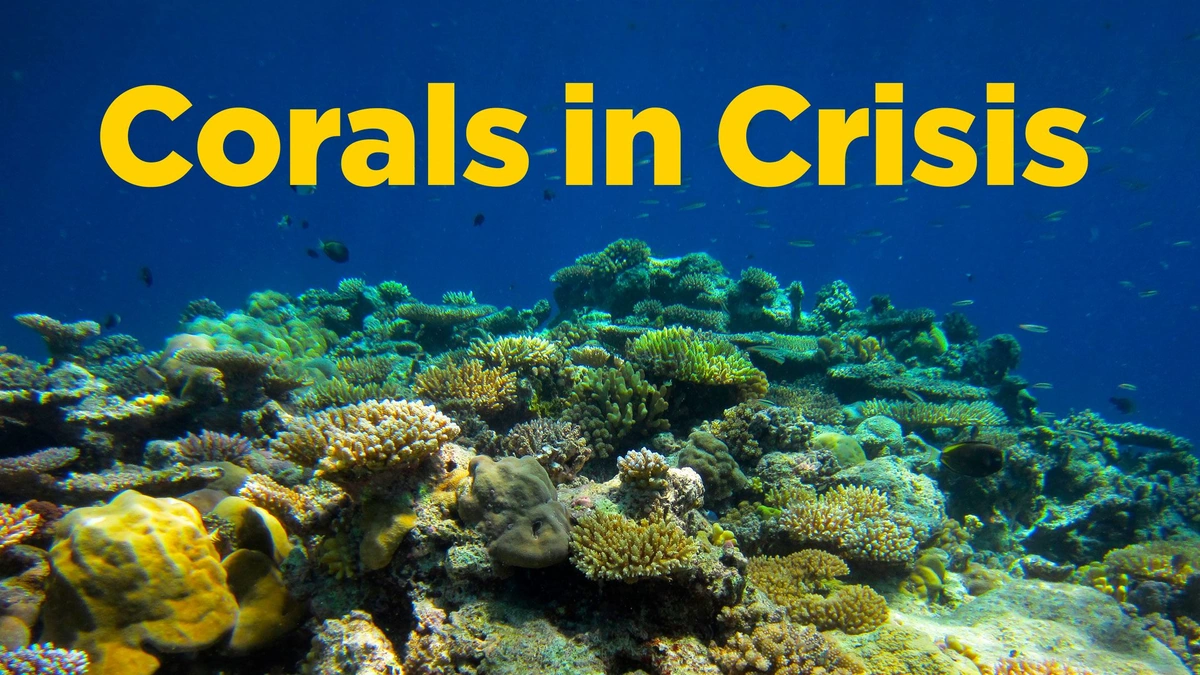
The situation is dire. We’re talking about a massive die-off of these crucial coral species. But, why is this happening? The answer, unfortunately, boils down to a familiar culprit: climate change. Rising ocean temperatures, driven by greenhouse gas emissions, are creating a hostile environment for these sensitive creatures. According to the latestNOAAreports, ocean temperatures in the Florida Keys have been consistently above average, pushing corals past their tolerance limits.
Corals are incredibly sensitive to temperature changes. When the water gets too warm, they experience what’s known as coral bleaching . Think of it as a fever. They expel the symbiotic algae (zooxanthellae) that live in their tissues, providing them with food and their vibrant color. Without these algae, the corals starve and eventually die. And it’s not just temperature; ocean acidification, also a consequence of increased carbon dioxide in the atmosphere, further weakens coral skeletons, making them more vulnerable to disease and physical damage.
Why Should India Care About Florida’s Corals?
Now, you might be thinking, “Okay, that’s happening in Florida, what’s it got to do with me sitting here in India?” Here’s the thing: coral reefs are the rainforests of the sea. They support an estimated 25% of all marine life, providing food and livelihoods for millions of people worldwide. And let’s be honest, the entire world is interconnected! A significant decline in coral reef health anywhere has ripple effects everywhere. And, global climate changeis no respecter of borders.
Consider this: India has its own coral reefs, primarily in the Gulf of Mannar, Lakshadweep, and the Andaman and Nicobar Islands. These reefs are already facing similar threats from warming waters and pollution. What’s happening in Florida is a stark warning about what could happen – or is already happening – to our own precious marine ecosystems. We need to learn from this coral crisis and take urgent action to protect our reefs.
What Can We Do? A Practical Guide to Reef Conservation
So, what can be done? Here’s how we can take action. It’s easy to feel overwhelmed, but there are concrete steps we can all take to make a difference. A common mistake I see people make is thinking that only large-scale government actions matter. Individual actions, multiplied across millions of people, can be incredibly powerful. The one thing you absolutely must remember: every small change counts.
Reduce your carbon footprint: This is the big one. Reducing your energy consumption, using public transport, eating less meat, and supporting sustainable businesses are all crucial steps. Think about your daily habits – are there ways you can reduce your impact? Even switching to energy-efficient light bulbs can help!
Support sustainable tourism: If you’re planning a trip to a coastal area, choose eco-friendly tour operators who prioritize reef conservation. Avoid activities that can damage reefs, such as touching or stepping on corals. The latest guidelines suggest supporting local communities involved in responsible tourism.
Advocate for change: Urge your elected officials to take action on climate change and support policies that protect coral reefs. Write letters, sign petitions, and participate in peaceful protests. Your voice matters!
Educate yourself and others: Learn more about the importance of coral reefs and the threats they face. Share this knowledge with your friends, family, and colleagues. Awareness is the first step towards action. Let me rephrase that for clarity: The more people who understand the problem, the more likely we are to find solutions. We must support coral reef protection , and stop coral reef destruction .
And, the science community is looking at ways to do coral reef restoration.
The Hope for the Future | Resilience and Innovation
It’s not all doom and gloom. There’s still hope for coral reefs. Scientists are working on innovative solutions to help corals adapt to climate change, such as breeding heat-resistant corals and developing methods to cool reefs. There are many coral reef restoration projects. What fascinates me is the incredible resilience of nature and the ingenuity of the human spirit. The one thing you absolutely must do is not lose hope!
But we need to act now. We need to reduce our carbon emissions, protect our oceans, and support the scientists and conservationists who are working tirelessly to save these precious ecosystems. According to recent reports, time is running out. We need to treat this environmental challenge with the urgency it deserves.
FAQ Section
Frequently Asked Questions
What exactly is coral bleaching?
Coral bleaching happens when corals expel the algae living in their tissues due to stress, like high temperatures, causing them to turn white.
Why are staghorn and elkhorn corals so important?
They are key reef-building species, providing habitat for many marine animals and protecting coastlines from erosion.
What can I do to help even if I don’t live near the ocean?
Reduce your carbon footprint, support sustainable businesses, and advocate for climate action. Every little bit helps!
Are there any successful coral restoration projects happening?
Yes, scientists and conservationists are using various techniques to restore damaged reefs, including growing corals in nurseries and transplanting them to degraded areas.
What if the coral reefs disappear completely?
The consequences would be devastating, including loss of biodiversity, reduced fisheries, and increased coastal erosion. Millions of people would lose their livelihoods.
Let’s be honest – the future of coral reefs depends on our actions. We can choose to ignore the warning signs and continue down the path of destruction, or we can choose to act now and create a more sustainable future for ourselves and for generations to come. I initially thought this was straightforward, but then I realized the complexity of interconnected factors.
So, next time you’re sipping your morning chai, think about the ocean. Think about the coral reefs. And think about what you can do to make a difference. Because honestly, every little bit counts.


