
Let’s be honest, few things are as universally annoying as those tiny, persistent flying specks that seem to appear out of thin air. You know the ones I’m talking about. You’re enjoying a quiet evening, maybe watering your plants, or just grabbing a snack from the kitchen, and suddenly – there they are. A cloud of gnats, buzzing around your face, your fruit bowl, or even your beloved houseplants. It’s enough to drive a sane person a little bit crazy, right?
I’ve been there. The frustration, the endless swatting, the feeling that your home has been invaded by a miniature, highly irritating air force. That’s why I’m here to walk you through exactly how to get rid of gnats quickly at home. We’re not just going to spray and pray; we’re going to get to the root of the problem, understand these little pests, and banish them for good. Think of me as your knowledgeable friend, armed with a strong cup of coffee and a battle plan against these tiny tormentors. Getting rid of gnats isn’t just about immediate relief; it’s about reclaiming your peace of mind.
The truth is, while they might all look alike when they’re dive-bombing your cup of tea, not all gnats are created equal. Understanding what type of gnat you’re dealing with is the first, crucial step in effectively getting rid of them. So, let’s roll up our sleeves and dive in!
Understanding Your Tiny Tormentors | What Kind of Gnats Are We Dealing With?
Before you can truly get rid of gnats, you need to play detective. Why? Because the strategy for fungus gnats, for instance, is totally different from how you’d tackle drain gnats or even fruit flies (which are often mistaken for gnats, but have their own unique MO). A common mistake I see people make is using a one-size-fits-all approach, which often leads to endless frustration and wasted effort.
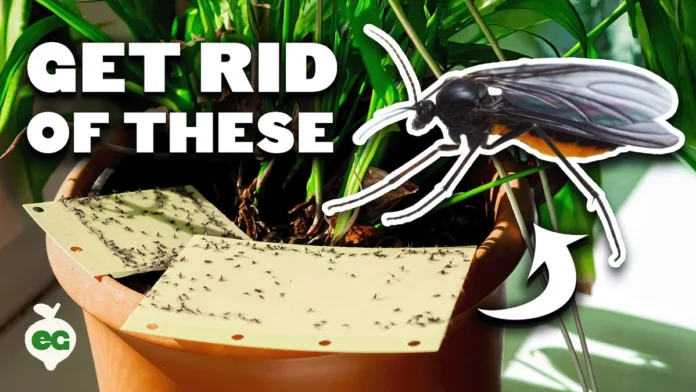
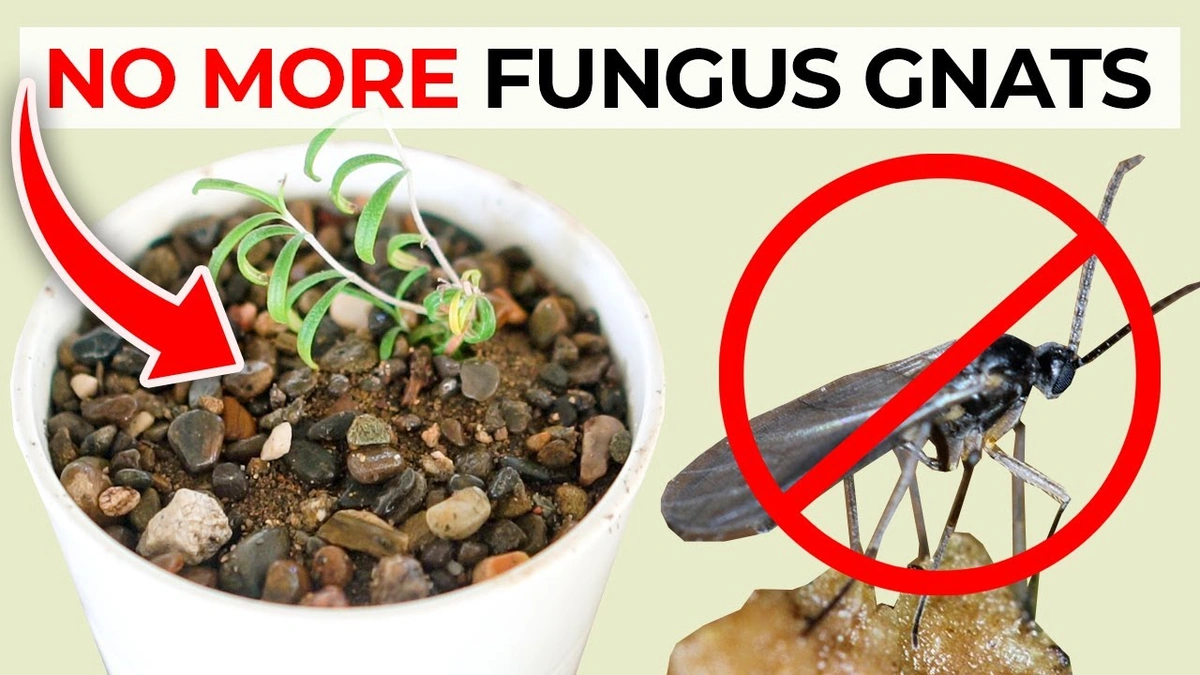
- Fungus Gnats: These are the most common culprits if you have houseplants. They’re typically found hovering around potted plants or crawling on the soil. Their larvae feed on fungus and decaying organic matter in moist soil. If you’ve been seeing small, dark flies near your green companions, you’re likely dealing with fungus gnats.
- Drain Gnats (or Phorid/Sewer Flies): These robust little guys, often mistaken for fruit flies, love drains, garbage disposals, and any area with a build-up of decaying organic matter and moisture. They’re a bit more round-bodied and tend to jump or run rather than fly gracefully. If you’re seeing them emerge from your sink or shower, bingo – drain gnats.
- Fruit Flies: While not technically gnats, they’re often lumped into the same category due to their size and annoying presence. They’re attracted to ripening or fermenting fruits and vegetables, as well as sugary spills and garbage. They’re usually tan or brownish and have distinctive red eyes.
Once you’ve identified your adversary, the path to getting rid of gnats becomes much clearer. Let’s tackle the most common scenarios head-on.
The “How” of Home Defense | Getting Rid of Gnats Indoors
Your house should be your sanctuary, not a gnat’s playground. If you’re wondering how to get rid of gnats in house, you’re in the right place. These methods are designed to be swift and effective, helping you get rid of gnats in the house quickly.
Tackling Fungus Gnats in Your Beloved Plants
This is where many of us first encounter a gnat problem. You want healthy plants, but you definitely don’t want a swarm of tiny flies around them. The key to effective gnat control here lies in disrupting their life cycle, especially in the soil where the larvae thrive.
- Let the Soil Dry Out: This is perhaps the simplest yet most effective tip. Fungus gnat larvae need moist soil to survive. So, let the top 1-2 inches of your plant’s soil dry out completely between waterings. This makes the environment inhospitable for larvae and discourages adults from laying new eggs. Bottom watering can also help keep the top layer dry.
- Sticky Traps Are Your Friends: Bright yellow sticky traps are incredibly effective for catching adult fungus gnats. Place them directly into the soil or near the base of the plant. It’s incredibly satisfying (and a little gross) to see how many gnats these traps capture. They won’t solve the problem completely, but they’ll significantly reduce the adult population, breaking the breeding cycle.
- Neem Oil or Insecticidal Soap: For a more proactive approach, a diluted neem oil solution or insecticidal soap can be sprayed on the soil surface. Neem oil acts as a natural insecticide and insect growth regulator, disrupting the gnats’ ability to feed and reproduce. Always follow product instructions carefully.
- Hydrogen Peroxide Drench: Mix one part 3% hydrogen peroxide with four parts water. Drench the soil with this solution. The hydrogen peroxide will kill gnat larvae on contact without harming your plants (the extra oxygen is actually good for roots!). You’ll hear a fizzing sound – that’s it working!
- Repotting with Sterile Soil: If the infestation is severe, consider repotting your plant using fresh, sterile potting mix. Make sure to thoroughly clean the pot before adding new soil.
These methods are fantastic for how to get rid of gnats in plants, turning your green haven back into a gnat-free zone.
Banishing Drain Gnats from Your Plumbing
Ah, drain gnats. These tiny pests indicate a deeper issue: a buildup of organic matter in your pipes. Simply spraying them won’t work; you need to clean their breeding ground. Eliminating gnats from your drains requires a direct attack on this gunk.
- Boiling Water Flush: Pouring a kettle of boiling water down your drains (kitchen, bathroom sinks, showers) daily for a few days can help kill larvae and eggs. Be cautious with PVC pipes; extremely hot water can sometimes damage them.
- Baking Soda and Vinegar Power: This is a classic homemade gnat killer that doubles as a drain cleaner. Pour 1/2 cup of baking soda down the drain, followed by 1/2 cup of white vinegar. Let it sit and fizz for a few hours (or even overnight), then flush with hot water. This concoction helps break down the organic sludge.
- Scrub Those Pipes (Carefully): If you can access the P-trap under your sink, carefully remove and clean it. You’d be amazed at the gunk that can accumulate there! A long brush designed for cleaning drains can also help dislodge stubborn buildup further down.
- Enzymatic Drain Cleaner: For persistent problems, consider using an enzymatic drain cleaner. Unlike harsh chemical cleaners, these use beneficial bacteria to digest organic matter, safely eliminating the gnats’ food source and breeding ground without damaging your pipes.
Consistent effort here is key. You might not get rid of gnats entirely after one go, but persistence pays off, trust me.
The Fruit Fly Fiasco | What About Those Kitchen Invaders?
While technically fruit flies, not gnats, they often show up in the same places and cause similar irritation. Their attraction to ripe and fermenting organic matter makes them a kitchen nuisance. Thankfully, getting rid of gnats (and fruit flies) in the kitchen is often straightforward.
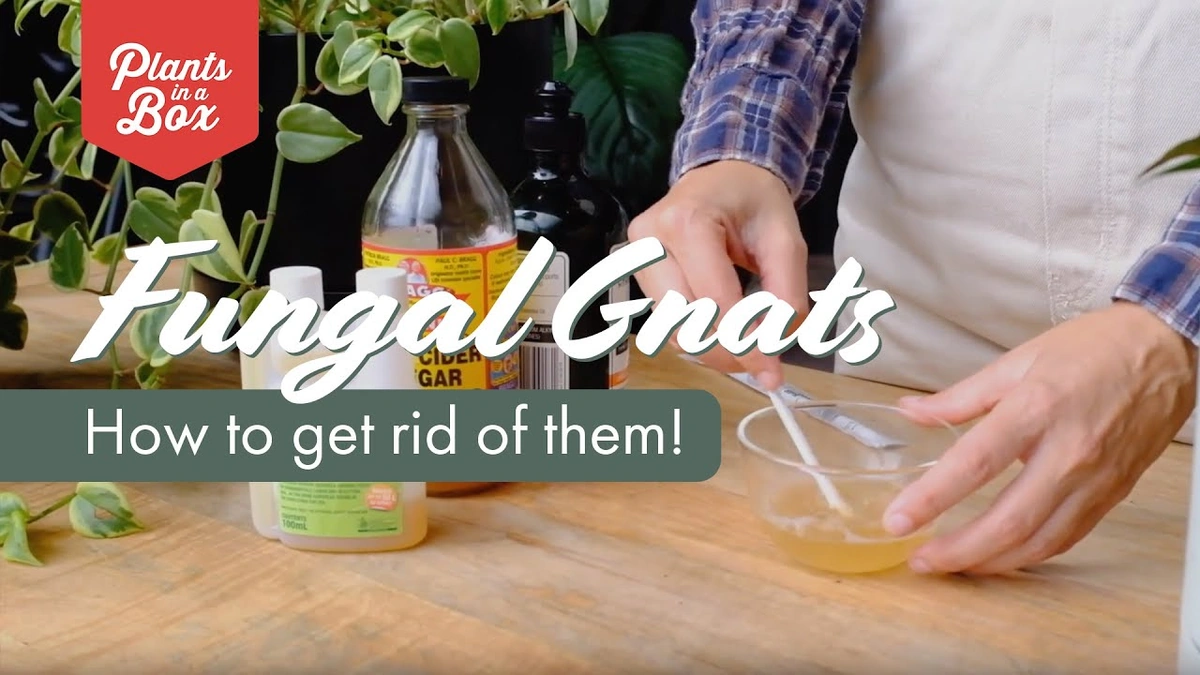
- Apple Cider Vinegar Traps: This is the best way to get rid of gnats of the fruit fly variety. Pour a small amount of apple cider vinegar into a shallow dish, add a drop or two of dish soap (this breaks the surface tension, so they sink), and cover with plastic wrap. Poke a few small holes in the plastic. The flies are attracted to the vinegar, enter through the holes, and get trapped.
- Refrigerate or Cover Produce: Don’t leave ripe fruit exposed on your counters. Store it in the refrigerator or in sealed containers.
- Cleanliness is King: Regularly wipe down kitchen counters, clean up spills immediately, and ensure your garbage cans have tight-fitting lids. Empty trash frequently, especially if it contains food scraps.
These small flying insects in house environments, particularly the kitchen, can be quite the bother, but these steps offer quick relief.
Beyond the Walls | How to Get Rid of Gnats Outside Your Home
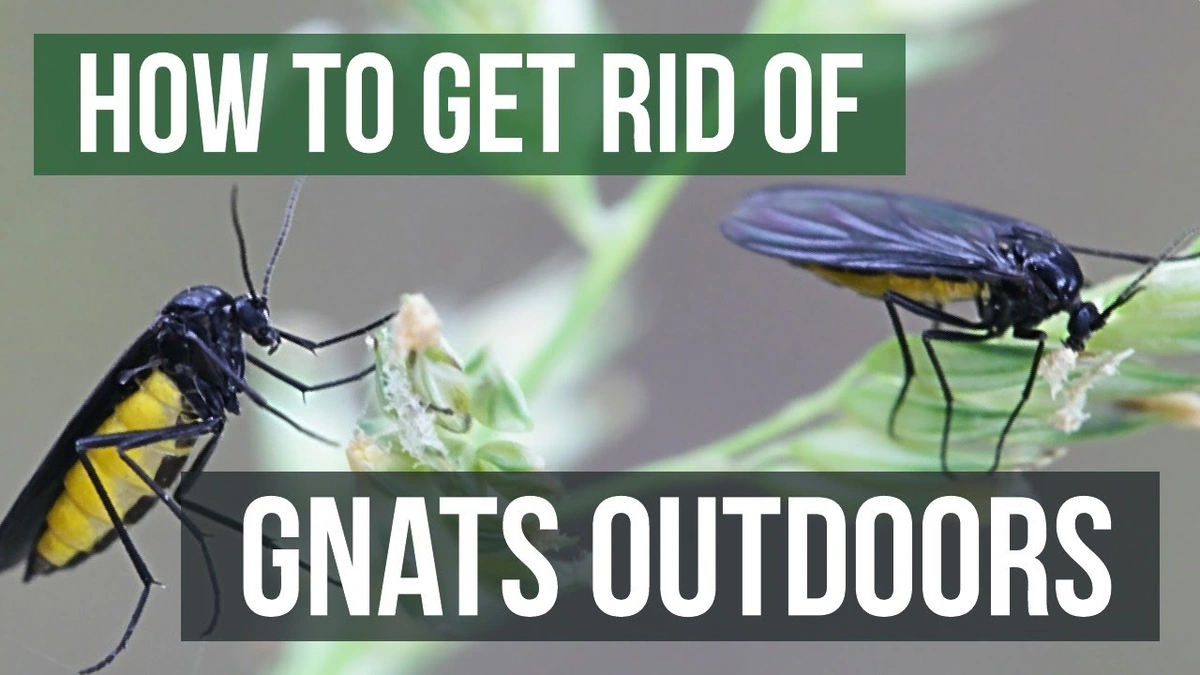
Sometimes the problem isn’t just indoors; gnats can be a real nuisance in your yard, patio, or near your home’s entry points. If you’re battling how to get rid of gnats outside, you’re primarily looking at reducing their outdoor breeding grounds.
- Eliminate Standing Water: Just like mosquitoes, many gnats need standing water to reproduce. Check for clogged gutters, bird baths that aren’t regularly cleaned, leaky outdoor faucets, pet water bowls, and anything that collects rainwater. Drain or refresh these sources frequently.
- Manage Organic Debris: Decaying leaves, grass clippings, and compost piles are prime breeding grounds. Rake up leaves, keep your lawn maintained, and turn your compost regularly to help it break down efficiently.
- Outdoor Traps and Repellents: For stubborn outdoor populations, consider commercial gnat traps or citronella candles/torches for temporary relief in specific areas like a patio. Some people find success with natural remedies for gnats like planting marigolds or chrysanthemums, which are thought to repel gnats.
- Check Entry Points: Ensure screens on windows and doors are intact and properly sealed. Small gaps are an open invitation for gnats to make their way indoors.
Pest control outdoors is about environmental management. Reduce the things that attract them, and you’ll see fewer of them.
Prevention is Your Best Defense | Keeping Gnats Away for Good
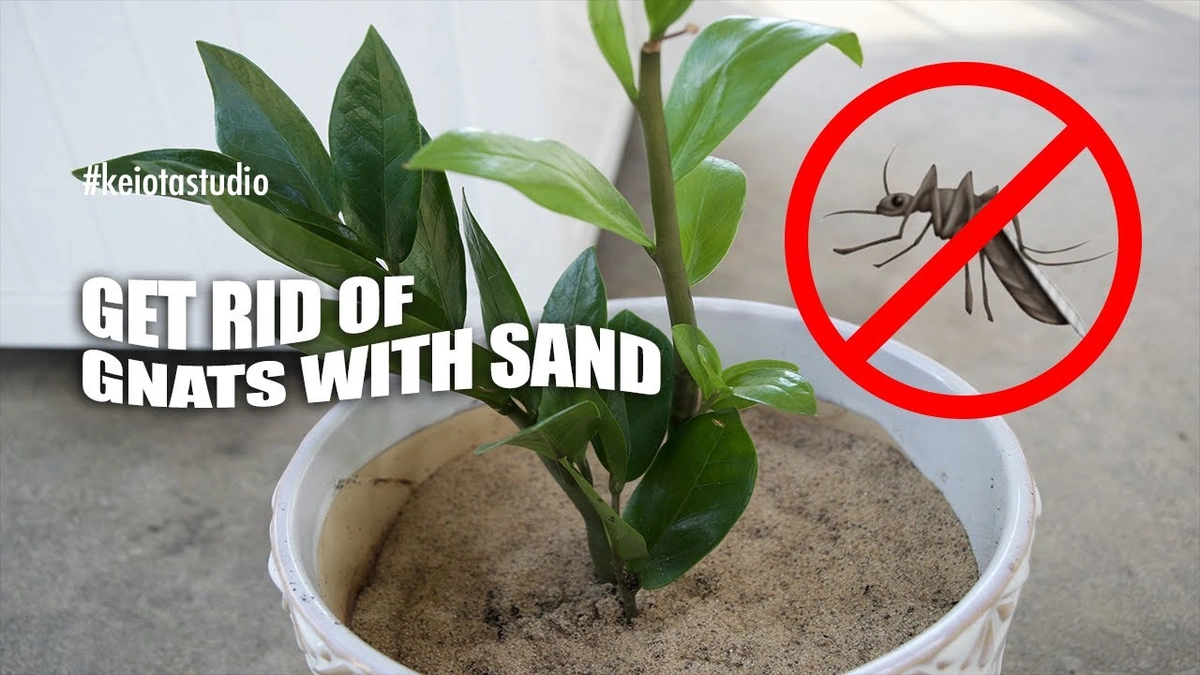
Here’s the thing about getting rid of gnats: it’s rarely a one-time fix. These resilient little creatures are always looking for an opportunity. This is where most people miss the boat. They tackle the active infestation but forget about the ongoing prevention. True gnat control is about continuous vigilance. Let me rephrase that for clarity: preventing future infestations is far easier than battling current ones.
- Master Your Watering Habits: For fungus gnats, this is paramount. Water your plants thoroughly, but then allow the top layer of soil to dry out completely before watering again. Using self-watering planters or watering from the bottom can be game-changers.
- No Food Left Behind: This is huge for fruit flies and even some drain gnats. Wipe down kitchen surfaces regularly, put away all food, especially fruits and vegetables, and cover compost bins. Don’t leave dirty dishes in the sink overnight.
- Seal Your Trash: Use garbage cans with tight-fitting lids and take out the trash regularly, especially if it contains food waste. A small gnat life cycle can complete quickly in a warm, moist garbage can.
- Maintain Drains: Incorporate regular drain cleaning into your routine. A monthly flush with boiling water or the baking soda/vinegar solution can prevent organic buildup from becoming a problem.
- Inspect New Plants: Before bringing new plants into your home, always inspect them for signs of gnats or larvae. It’s much easier to deal with a potential problem before it spreads.
- Use Diatomaceous Earth (Food Grade): A light dusting of food-grade diatomaceous earth on the surface of your plant soil can be a great preventative measure. It’s a natural, non-toxic powder that works by dehydrating gnat larvae and adults.
By integrating these habits into your routine, you’re not just trying to repel gnats; you’re making your home an unwelcome environment for them from the start. That proactive stance is the best way to get rid of gnats for good.
Dealing with gnats can feel like an endless battle, but it doesn’t have to be. With a little understanding and consistent application of these strategies, you can reclaim your space. Remember, patience and persistence are your greatest tools in this fight. Good luck, and here’s to a gnat-free home!
Frequently Asked Questions About Gnat Control
Can I use essential oils to repel gnats?
Yes, some essential oils like peppermint, lemon, and eucalyptus can help repel gnats, but they are generally a temporary solution.
How quickly can I get rid of gnats in my house?
You can see a significant reduction in gnats within a few days with consistent application of the right methods.
What’s the best homemade gnat trap?
An apple cider vinegar trap with a drop of dish soap is highly effective for catching fruit flies and some gnats.
Do gnats bite humans or harm plants?
Fungus gnats don’t bite humans but their larvae can harm plant roots. Some outdoor gnats, like biting midges, do bite.
Why do I keep getting gnats even after cleaning?
Persistent gnats often indicate a missed breeding source, such as deeply saturated soil, hidden organic buildup in drains, or tiny food particles.

