
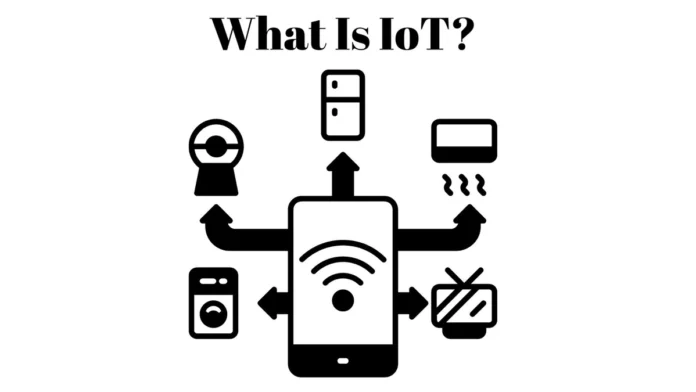
The Internet of Things (IoT) . You’ve heard the buzzword. Maybe you picture futuristic homes run by robots, or factories humming with self-optimizing machines. And, yeah, some of that’s happening. But here’s the thing: IoT is far more pervasive – and far more impactful – than just the shiny gadgets. It’s quietly revolutionizing industries, reshaping our daily routines, and even influencing how we think about… well, everything.
So, let’s ditch the sci-fi fantasies and dive into the real-world implications. Why should you, a regular person in the United States, care about IoT ? Because it’s already woven into the fabric of your life, whether you realize it or not.
How IoT is Already Making Your Life Easier
Let’s be honest, the best technology is the kind that fades into the background, seamlessly improving your day without demanding constant attention. And that’s where IoT truly shines. Think about it: that fitness tracker gently nudging you to take a walk, your smart thermostat learning your heating preferences, or even the traffic app that reroutes you around a jam.
These aren’t isolated gadgets. They’re part of a vast, interconnected network of devices, sensors, and software, all communicating and sharing data to make our lives a little smoother. For example, consider smart home devices . A common mistake I see people make is buying all the shiny new gadgets without thinking about how they actually integrate. A truly effective smart home isn’t about having more devices; it’s about having the right devices working in harmony. That means considering compatibility, security, and, most importantly, your actual needs.
And it’s not just about convenience. IoT is also playing a crucial role in improving our health and well-being. Wearable devices can track our vital signs, alerting us to potential health issues before they become serious. Smart pill dispensers can help us manage our medications. And remote patient monitoring systems can allow us to receive care from the comfort of our own homes.
The “Why” | Unpacking the Real-World Implications
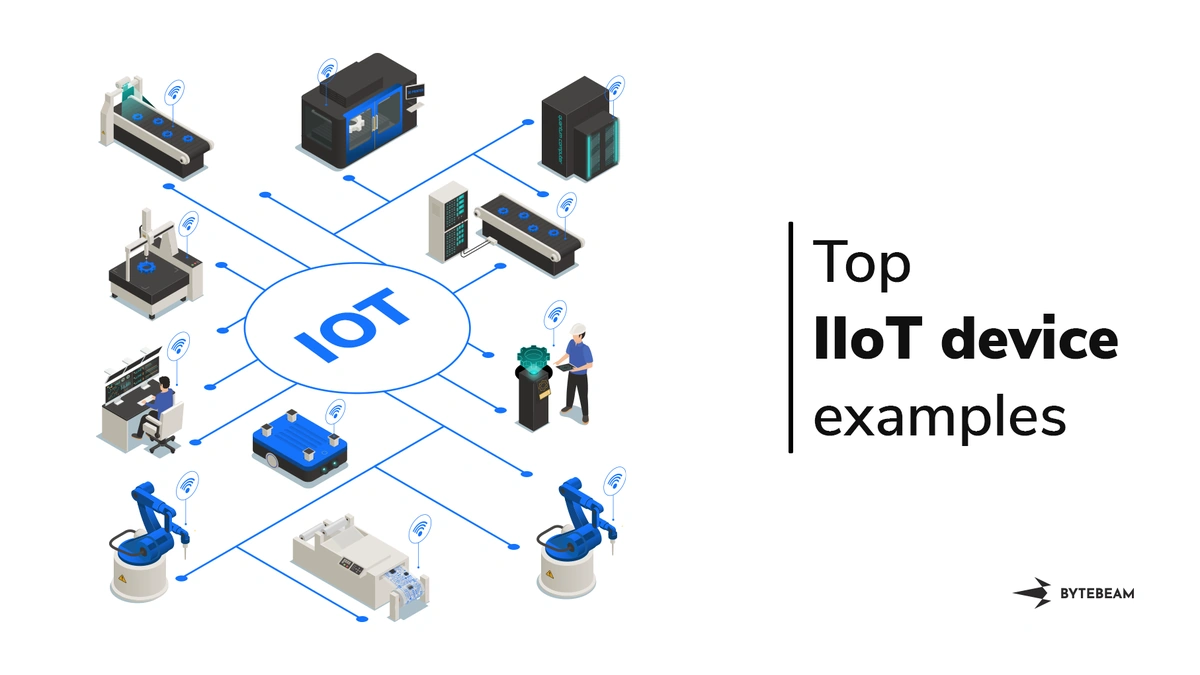
Okay, so connected devices are convenient. But why does all this matter on a grander scale? Because IoT is driving fundamental shifts in how businesses operate, how cities are managed, and how we interact with the world around us. Think about the impact on industries like manufacturing, where predictive maintenance , powered by IoT sensors, can prevent costly equipment failures. Or consider the potential of smart cities, where data collected from sensors can be used to optimize traffic flow, reduce energy consumption, and improve public safety.
But here’s the thing: all this data collection raises some serious questions about privacy and security. The more devices we connect to the internet, the more vulnerable we become to cyberattacks. That’s why it’s crucial to have robust security measures in place to protect our data and prevent unauthorized access. It’s not enough to just buy the devices; you have to actively manage their security settings and stay informed about potential vulnerabilities.
Navigating the Security Maze of IoT Devices
Security isn’t an afterthought; it’s the foundation of any successful IoT implementation. A common oversight is neglecting to change default passwords on new devices. This is like leaving your front door wide open for hackers. Always, always change the default password.
Furthermore, keep your device software updated. Manufacturers regularly release updates to patch security vulnerabilities. Delaying these updates leaves you exposed. Enable automatic updates where possible, or set reminders to manually check for them. Another critical point: understand the data your devices are collecting. Review privacy policies and adjust settings to limit data sharing where appropriate.
Beyond these basics, consider investing in a strong firewall and a comprehensive security solution that can monitor your network for suspicious activity. Think of it as a digital bodyguard, constantly watching for threats. And remember, security is an ongoing process, not a one-time fix. Stay vigilant, stay informed, and stay protected.
The Future is Now: IoT Applications in Every Sector
The impact of IoT extends far beyond smart homes and wearable devices. It’s transforming industries across the board, from healthcare to agriculture to transportation. I initially thought that IoT was just for tech enthusiasts, but then I realized the vast potential across diverse sectors.
In healthcare, IoT is enabling remote patient monitoring, personalized medicine, and improved diagnostics. In agriculture, it’s optimizing crop yields, reducing water consumption, and improving livestock management. And in transportation, it’s paving the way for autonomous vehicles, smart traffic management systems, and more efficient logistics. The possibilities are truly endless. I saw connected devices improving every aspects of your lives.
And as 5G and other advanced technologies become more widely available, the growth of IoT will only accelerate. We can expect to see even more innovative applications emerge in the years to come, further blurring the lines between the physical and digital worlds.
But it’s not just about technology for technology’s sake. The real power of IoT lies in its ability to solve real-world problems and improve the lives of people around the globe.
The Ethical Minefield | Data, Privacy, and the Future of IoT
Let’s be honest: with all this talk about convenience and efficiency, it’s easy to overlook the ethical considerations. Data privacy is a huge concern. The fact is, these devices are collecting massive amounts of data about our habits, preferences, and behaviors. Who has access to this data? How is it being used? And what safeguards are in place to prevent misuse?
These are questions we need to be asking – and answering – as IoT becomes more deeply integrated into our lives. We need to demand greater transparency from manufacturers and service providers. We need to advocate for stronger regulations to protect our privacy. And we need to be more mindful of the data we’re sharing and the potential consequences. As per the guidelines mentioned in the information bulletin, your data is your responsibility.
Because the future of IoT isn’t just about technology; it’s about creating a future where technology serves humanity, not the other way around.
FAQ | Your Burning IoT Questions Answered
What exactly is the Internet of Things?
Simply put, it’s a network of physical devices – things like sensors, appliances, and vehicles – that are embedded with electronics, software, and sensors, allowing them to collect and exchange data.
Are smart devices safe from hackers?
While manufacturers are improving security, vulnerabilities still exist. Protect yourself by changing default passwords, keeping software updated, and being mindful of the data you share.
How can I make my home “smarter” without breaking the bank?
Start small! Focus on addressing specific needs, like energy savings with a smart thermostat or enhanced security with a smart doorbell. Research compatibility and avoid buying unnecessary gadgets.
What’s the difference between IoT and IIoT (Industrial IoT)?
IoT generally refers to consumer applications, while IIoT focuses on industrial uses, such as manufacturing, logistics, and energy management. Think of it as IoT’s more serious, business-oriented sibling.
Will IoT take over all jobs?
While automation will undoubtedly impact the job market, it’s also creating new opportunities in areas like data analysis, cybersecurity, and IoT development. The key is to adapt and acquire new skills.


