
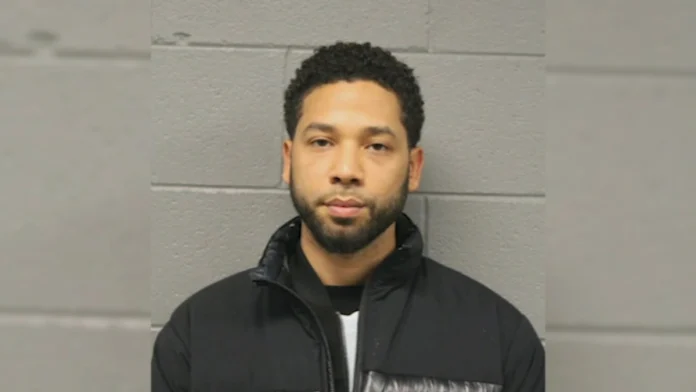
The Jussie Smollett case. It’s been years, hasn’t it? And yet, it keeps popping up – a reminder of how easily narratives can be twisted, and the complex relationship between race, media, and public perception. I remember when the story first broke – the shock, the outrage, the swift rush to judgment. But here’s the thing: it wasn’t just about a single incident. It was about why that incident resonated so deeply, and how it exposed fault lines in our society that we’re still grappling with.
The Initial Firestorm | More Than Meets the Eye
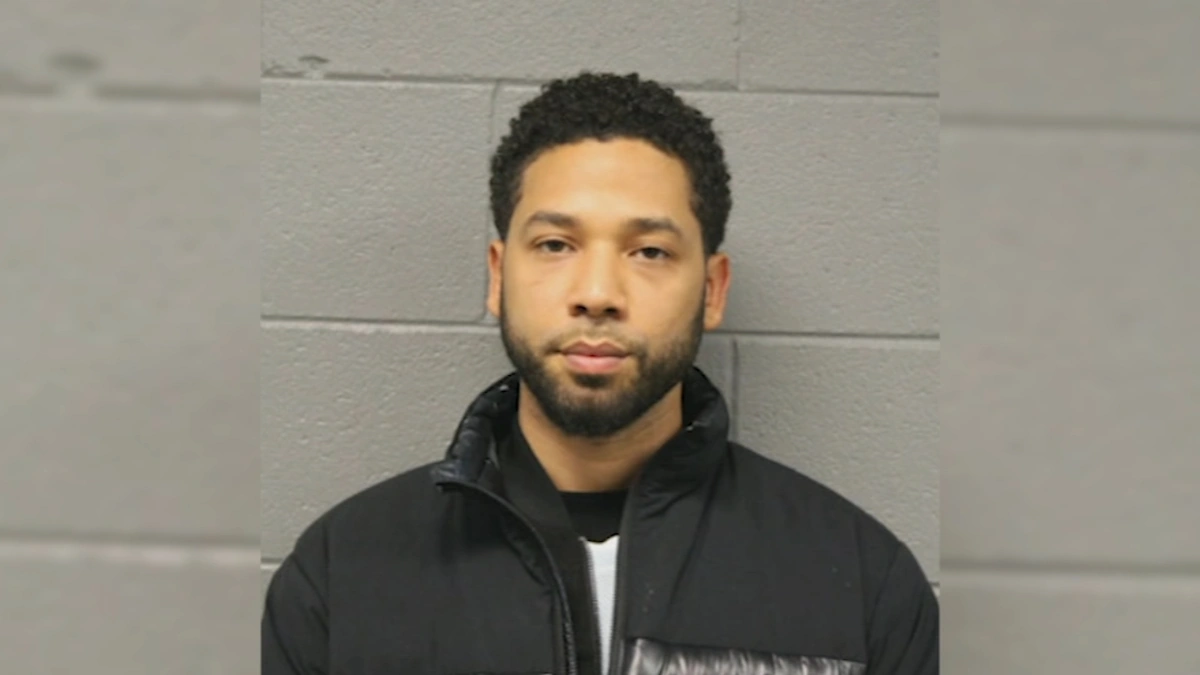
Let’s rewind a bit. In January 2019, news broke that Jussie Smollett, then a star on the hit show “Empire,” had been the victim of a hate crime. He claimed he was attacked by two men who shouted racial and homophobic slurs, poured bleach on him, and tied a noose around his neck. The story ignited a national conversation. Law enforcement immediately launched an investigation, and the public rallied behind Smollett, offering support and condemning the alleged attack.
But then, the narrative began to shift. Detectives started to question the details of Smollett’s account. The alleged attackers, brothers Abimbola and Olabinjo Osundairo, were identified, and their story didn’t quite align with Smollett’s. The police investigation took an unexpected turn, with Smollett eventually being accused of staging the entire incident.
The Trial and the Verdict | A Nation Divided
The trial was a media circus. Every twist and turn was dissected, analyzed, and debated. The prosecution presented evidence suggesting Smollett had paid the Osundairo brothers to stage the attack, while the defense maintained his innocence, arguing that he was, in fact, a victim. What fascinates me is the public’s reaction – or rather, reactions. Some remained steadfast in their support of Smollett, believing he was targeted by a biased system. Others felt betrayed, viewing his actions as a cynical attempt to exploit racial tensions for personal gain.
Ultimately, Smollett was found guilty on five counts of disorderly conduct for filing false police reports. But even after the verdict, the debate raged on. Was justice served? Was Smollett a victim of circumstance? The questions lingered, and they continue to linger today. According to several reports, Smollett had paid the two brothers $3,500 to stage the attack. This payment became a central point of contention during the trial.
The Lingering Impact | Trust, Truth, and the Media
Here’s the thing: the Jussie Smollett case wasn’t just about one person or one incident. It exposed a deep-seated distrust in the media, in institutions, and even in each other. It highlighted how easily narratives can be manipulated, and how quickly public opinion can shift. It also raised important questions about the responsibility of public figures and the potential consequences of making false claims, especially those involving sensitive issues like race and hate crimes.
Think about it: the initial outpouring of support for Smollett was based on the assumption that his story was true. But when doubts emerged, that support turned into anger and resentment. This underscores the importance of critical thinking, of questioning narratives, and of waiting for all the facts to emerge before drawing conclusions. The initial media coverage often presented Smollett’s claims without sufficient skepticism, which contributed to the widespread outrage when the truth surfaced. The case serves as a cautionary tale about the dangers of jumping to conclusions and the need for thorough fact-checking in journalism.
The Broader Implications | Race, Justice, and Perception
Let’s be honest, the Smollett case also touched on deeper issues related to race, justice, and perception in America. It sparked conversations about the prevalence of hate crimes, the challenges faced by LGBTQ+ individuals, and the complexities of navigating racial identity. What’s interesting is how different communities interpreted the events. Some saw it as a setback for the fight against racism and homophobia, while others viewed it as an isolated incident that shouldn’t overshadow the real struggles faced by marginalized groups.
A common mistake I see people make is oversimplifying the situation. There are no easy answers, no clear-cut heroes or villains. The Smollett case is a complex tapestry of human behavior, societal biases, and the often-murky waters of truth and deception. It’s a reminder that we all have a responsibility to engage with difficult issues thoughtfully and critically, even when it’s uncomfortable.
And so, here we are, years later, still talking about Jussie Smollett . Not because the details of the case are particularly fascinating (though they certainly are), but because it continues to resonate with something deeper within us. It’s a reflection of our own biases, our own fears, and our own hopes for a more just and equitable society. The Smollett case continues to be a subject of debate and analysis, often discussed in the context of media ethics, racial tensions, and the pursuit of justice. Several legal experts believe the case has set a precedent for how similar incidents will be handled in the future. The trial involved a lot of evidence that was carefully reviewed. The case took several unexpected turns.
What’s Next for Jussie Smollett?
The actor has maintained his innocence. Despite facing the consequences of his actions, the legal battles continue.
FAQ | Unpacking the Jussie Smollett Case
What exactly was Jussie Smollett accused of?
He was accused of staging a hate crime and filing a false police report.
What was the outcome of the trial?
Smollett was found guilty on five counts of disorderly conduct.
What were the motivations behind the alleged staging of the attack?
The exact motivations remain unclear and have been heavily debated, but several reports point to the idea that it was for publicity.
What has been the impact of the case on public perception?
It has damaged trust in the media and raised questions about the manipulation of narratives.
Did Jussie Smollett ever publicly apologize?
No, he continues to maintain his innocence.
What are the current legal challenges or appeals Jussie Smollett is facing?
The details of his current legal situation are continuously evolving.
The Smollett case serves as a stark reminder of the power of narratives and the importance of critical thinking. Its complex layers continue to provoke debate and analysis.


