
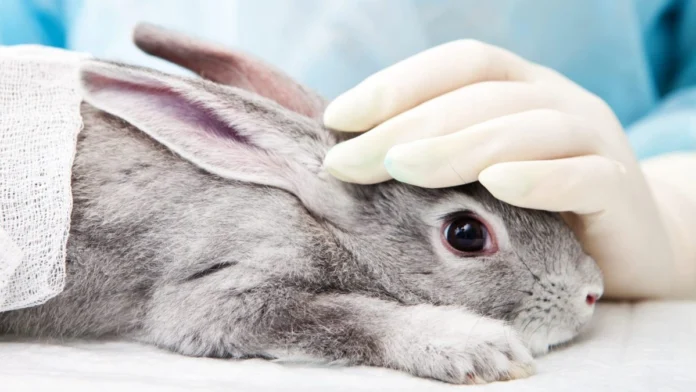
Tragedy struck when a truck carrying lab monkeys crashed in Mississippi, resulting in the death of several primates. While the immediate aftermath is heartbreaking, it forces a much larger, more uncomfortable question into the spotlight: Is animal testing still justifiable in the 21st century? Let’s dive into the ‘why’ behind this, because it’s not just about one unfortunate incident – it’s about re-evaluating our ethical and scientific priorities.
The Gruesome Reality of Animal Testing
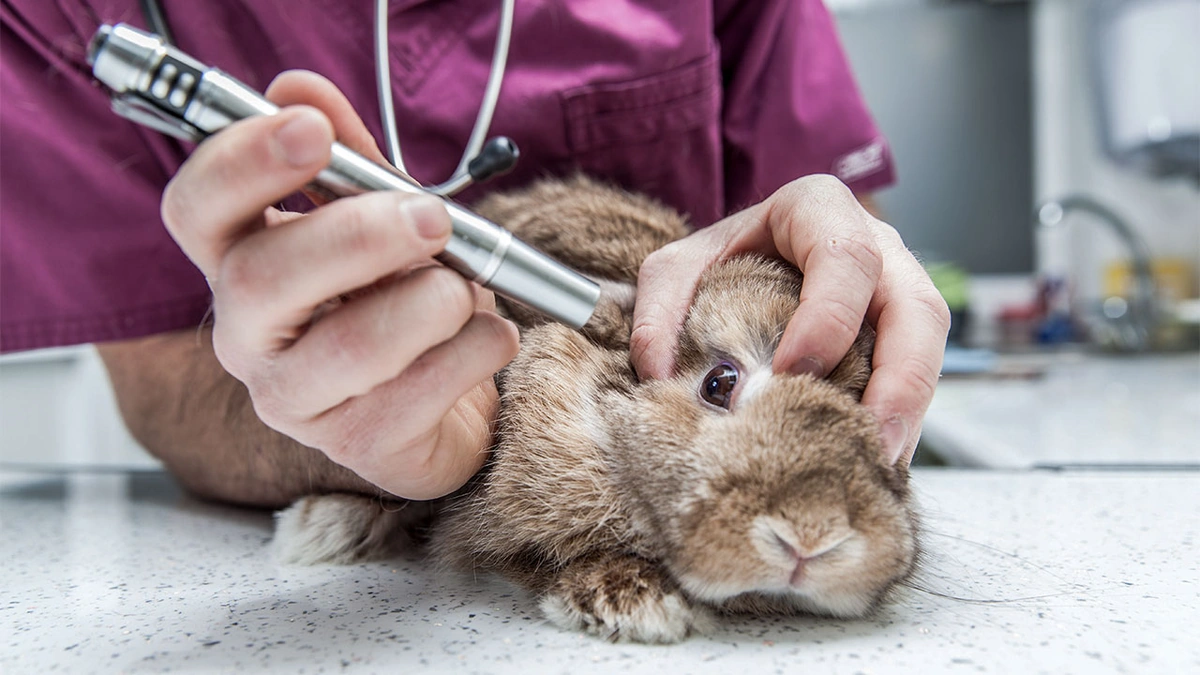
Here’s the thing: Many people have a vague idea about animal testing, picturing maybe a mouse getting a new type of shampoo tested on it. The reality is often far more grim. We’re talking about invasive surgeries, forced inhalation of toxic substances, and prolonged periods of isolation and confinement. According to PETA , millions of animals endure these procedures annually. Now, I’m not saying all research is inherently evil, but the sheer scale and the often-questionable necessity are things we need to confront.
But what is the true purpose? Biomedical research , drug development, and toxicity testing are the usual suspects. Animals are used to study diseases, test the safety of new medications, and assess the potential harm of chemicals. The argument is that this testing is essential for human health. But – and this is a big but – are these animal models truly reliable?
The Science Isn’t Always Sound
This is where things get really interesting. A lot of studies are starting to show that animal models don’t always translate well to humans. We’re different species, after all! What might work in a monkey or a rat doesn’t necessarily work in a human, and vice versa.
Think about it. How many times have we heard about a drug that showed promise in animal trials but then failed miserably in human clinical trials? This isn’t just a waste of resources – it’s also incredibly misleading, potentially delaying the development of effective treatments for humans. According to Wikipedia , the National Institutes of Health (NIH) estimates that 95% of new drugs that test safe and effective in animals fail in human trials. That’s a pretty staggering failure rate, right?
Ethical Considerations | Do We Have the Right?
Let’s be honest – there’s a huge ethical question mark hanging over the whole practice of animal experimentation . Do we, as humans, have the right to inflict suffering on other sentient beings, even if it’s supposedly for our own benefit?
Many argue that animals have intrinsic value and deserve to be treated with respect and compassion. The suffering inflicted on these animals – the fear, the pain, the loneliness – is something we can’t just brush aside. It challenges our moral compass and forces us to confront uncomfortable truths about our relationship with the animal kingdom.
Moreover, the very fact that these monkeys were being transported highlights the inherent risks involved. Accidents happen, as this tragic event demonstrates. But when those accidents involve live animals being used for research, the stakes are much, much higher.
The Rise of Alternatives | A Glimmer of Hope
Okay, so if animal testing is problematic, what’s the alternative? Thankfully, science isn’t standing still. There’s a growing movement towards developing and implementing alternative testing methods that are both more humane and potentially more effective.
We’re talking about things like in vitro studies (using human cells or tissues in test tubes), sophisticated computer modeling, and microdosing (testing tiny amounts of a drug on human volunteers). These methods can often provide more accurate and relevant data than traditional animal tests, and they don’t involve any animal suffering.
The development and adoption of these alternative testing methods is not just a moral imperative – it’s also a smart scientific move. As technology advances, we have the opportunity to move beyond outdated and unreliable animal models and embrace more sophisticated and human-relevant approaches.
What Can You Do? Be the Change
So, what does all this mean for you, sitting there in India, reading this article? Well, you have more power than you think. You can support organizations that are working to promote alternative testing methods. You can make informed consumer choices by buying products from companies that don’t test on animals. And you can raise awareness among your friends and family about the ethical and scientific issues surrounding animal testing. You can research more about the animal welfare in labs and know the truth.
Look, I’m not saying it’s easy to change the world overnight. But every small action counts. By making conscious choices and speaking out against animal cruelty, you can help create a more compassionate and scientifically sound future. It is very important to know about the animal rights . Ultimately, it’s about recognizing that we share this planet with other sentient beings, and that we have a responsibility to treat them with kindness and respect. This isn’t just an animal issue – it’s a human issue. And it’s one that we all need to address.
For example, you can choose cruelty-free products! Several brands in India are certified cruelty-free, meaning they don’t test their products or ingredients on animals at any stage of development. Look for certifications like PETA’s “Beauty Without Bunnies” or the “Not Tested on Animals” logo when you shop for cosmetics, personal care items, and household products. News are an important part to know what is happening around us.
FAQ Section
Frequently Asked Questions
What exactly does “animal testing” entail?
Animal testing includes a range of procedures performed on animals for research purposes, including drug development, toxicity testing, and biomedical studies. These tests can be invasive and often cause pain, distress, and suffering to the animals involved.
Why is animal testing still practiced?
The historical argument has been that animal testing is necessary to ensure the safety and efficacy of products before they are released to the public. However, advancements in alternative testing methods are challenging this view.
What are some alternatives to animal testing?
Alternatives include in vitro studies (using human cells or tissues), computer modeling, and microdosing (testing tiny amounts of a drug on human volunteers). These methods can be more accurate and humane.
How can I support the move away from animal testing?
You can support organizations that promote alternative testing, buy cruelty-free products, and raise awareness about the issue among your friends and family.
Are there any laws in India regarding animal testing?
Yes, India has regulations regarding animal testing, primarily governed by the Prevention of Cruelty to Animals Act, 1960. However, enforcement and the scope of these regulations are ongoing areas of discussion and reform.
What happens to the animals after they are tested on?
Unfortunately, most animals used in testing are euthanized after the experiments are completed. Some organizations are working to rehome animals when possible, but this is not the standard practice.
The Mississippi truck crash is a stark reminder. It’s not enough to wring our hands and feel bad. We need to push for change. We need to champion alternatives. And we need to ask ourselves, individually and collectively, what kind of world we want to create.


