
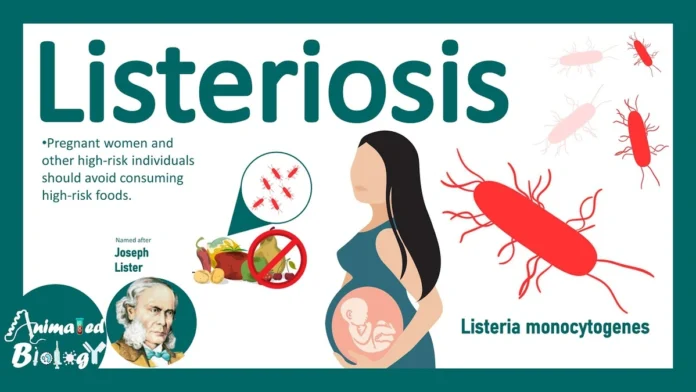
Let’s be honest, when you hear the word listeria , your mind probably jumps straight to food poisoning. And while that’s a valid concern, it’s really just scratching the surface. I initially thought it was just another bacteria, but then I realized the implications of listeria contamination are far more complex and can have potentially severe health consequences. It’s not just about a bad stomach ache; it’s about understanding why this bacteria is so persistent, and how it can affect different people in different ways.
What Makes Listeria So Sneaky? (The ‘Why’ Angle)
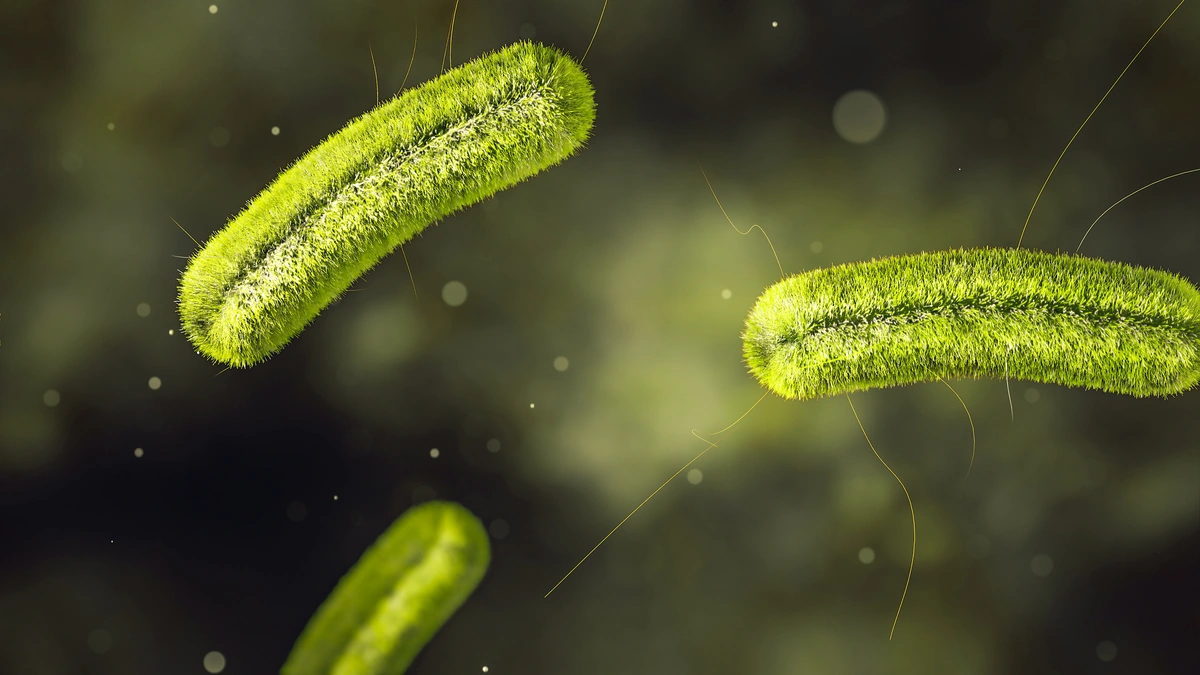
Here’s the thing: Listeria, or more formally Listeria monocytogenes , is one tough cookie. Unlike many other bacteria, it thrives in cold environments – which means your fridge isn’t necessarily a safe haven. It can also tolerate relatively high salt concentrations, making cured meats and cheeses potential hotspots. According to theCenters for Disease Control and Prevention (CDC), listeria outbreaks are often linked to these types of foods.
But, why is this bacteria so resistant? Well, it comes down to its unique cellular structure and its ability to form biofilms – essentially, communities of bacteria that stick together and are incredibly difficult to eradicate. Imagine trying to scrub off a layer of stubborn grime; that’s kind of what it’s like trying to get rid of listeria bacteria in food processing plants. And that’s why thorough cleaning and sanitation practices are so crucial.
Am I at Risk? Understanding Listeria’s Impact
This is where it gets personal. While anyone can get listeriosis (the infection caused by listeria), certain groups are at a much higher risk. Pregnant women, newborns, older adults, and people with weakened immune systems are particularly vulnerable. Let me rephrase that for clarity: If you fall into one of these categories, you need to be extra vigilant about avoiding foods that cause listeria .
A common mistake I see people make is underestimating the severity of the illness. While a healthy adult might experience mild flu-like symptoms, for a pregnant woman, listeria can lead to miscarriage, stillbirth, or serious infection of the newborn. For older adults and immunocompromised individuals, it can cause septicemia (blood poisoning) or meningitis (inflammation of the brain and spinal cord). That moment of panic when you realize you might have eaten something risky? That’s valid. The one thing you absolutely must double-check if you suspect exposure is to seek immediate medical attention.
By the way, symptoms can manifest anywhere from a few days to a few weeks after consuming contaminated food, making it difficult to pinpoint the source. Listeria symptoms include fever, muscle aches, nausea, diarrhea, and confusion.
How to Protect Yourself | Practical Steps You Can Take
Okay, so how do you navigate this potential minefield? Here’s where the “How” angle comes in. You can minimize your risk of listeria infection by following some simple but effective guidelines.
- Practice Safe Food Handling: This seems obvious, but it’s worth repeating. Wash your hands thoroughly before and after handling food. Use separate cutting boards for raw meats and vegetables.
- Cook Foods to Safe Temperatures: Use a food thermometer to ensure that meats, poultry, and eggs are cooked to the recommended internal temperatures.
- Avoid Unpasteurized Dairy Products: Raw milk and cheeses made from unpasteurized milk can harbor listeria. Always opt for pasteurized products.
- Be Cautious with Ready-to-Eat Foods: Deli meats, hot dogs, and smoked seafood are often implicated in listeria outbreaks. Heat these foods thoroughly before eating.
- Refrigerate Properly: Keep your refrigerator clean and set to 40°F (4°C) or below. Use refrigerated ready-to-eat foods as soon as possible.
What fascinates me is how easily this can be integrated into your routine once you get the hang of it. The one thing you absolutely must double-check is that you aren’t complacent.
The Bigger Picture | Listeria in the Food Industry
Beyond individual precautions, it’s important to understand the role of the food industry in preventing listeria contamination . Food processing plants have a responsibility to implement rigorous sanitation and testing programs. According to the Food and Drug Administration (FDA), these programs should include regular cleaning and disinfection of equipment, environmental monitoring for listeria, and testing of finished products.
But, it’s not always perfect. Sometimes, despite best efforts, contamination can occur. That’s why recalls happen. When a listeria recall is announced, it’s crucial to pay attention and discard any affected products immediately. And that is why you have to ensure you are up-to-date with the latest news on health alerts . The reality is that the food production environment has its challenges.
Navigating the Future | The Role of Research and Innovation
The fight against listeria is ongoing. Researchers are constantly working to develop new and improved methods for detecting and preventing contamination. This includes exploring innovative technologies like rapid testing methods, antimicrobial packaging, and novel sanitizing agents. The goal is to make our food supply safer and more secure.
What I find particularly exciting is the potential of bacteriophages – viruses that specifically target and kill bacteria. Bacteriophages can be used as a natural and effective way to control listeria in food processing environments. And I find the research on this compelling. It offers real hope. Now, let’s talk about some of the questions you might have about listeria. In the future, hopefully the challenges presented byhealth concernswill be greatly reduced.
FAQ About Listeria
What if I think I have eaten food contaminated with listeria?
If you experience symptoms of listeriosis, such as fever, muscle aches, or gastrointestinal issues, contact your doctor immediately. Early diagnosis and treatment with antibiotics are crucial.
How long does listeria last in the body?
The duration of a listeria infection varies depending on the severity of the illness and the individual’s overall health. With prompt treatment, most people recover within a few weeks.
Can listeria be killed by cooking?
Yes, cooking food to the recommended internal temperatures will kill listeria. Ensure that meats, poultry, and eggs are thoroughly cooked.
What foods are most likely to be contaminated with listeria?
Ready-to-eat foods such as deli meats, hot dogs, soft cheeses, and smoked seafood are often implicated in listeria outbreaks . Raw milk and unpasteurized dairy products are also potential sources.
Is listeria contagious?
Listeriosis is not typically contagious from person to person. However, pregnant women can transmit the infection to their unborn babies.
How can I clean my refrigerator to prevent listeria growth?
Regularly clean your refrigerator with hot, soapy water. Pay attention to spills and wipe them up immediately. Use a solution of diluted bleach (1 tablespoon of bleach per gallon of water) to disinfect surfaces.
So, there you have it. Listeria isn’t just a food safety issue; it’s a reminder of the interconnectedness of our food system and the importance of both individual and collective responsibility. By understanding the risks and taking proactive steps, we can all contribute to a safer and healthier future.


