

Margaret Thatcher . The name alone conjures up images of power suits, steely gazes, and a whole lot of controversy. But who was she really? And why does she still spark such heated debates, decades after leaving office? Let’s be honest, history books can be a bit dry. So, let’s dive in and explore the ‘why’ behind her policies, her legacy, and her lasting effect on the UK and beyond.
Thatcherism | A Revolutionary Ideology?
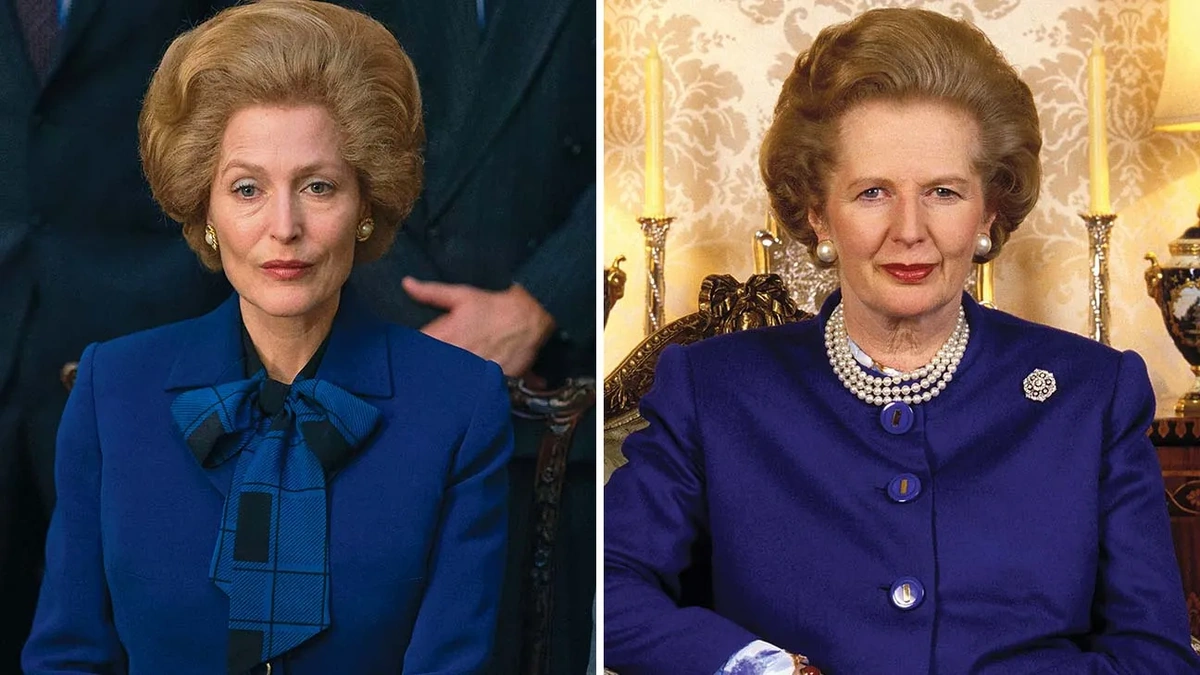
So, what is Thatcherism ? It’s more than just a set of policies; it’s a whole philosophy. Think of it as a cocktail of free-market economics, reduced government intervention, and a strong sense of national pride. Margaret Thatcher believed in individual responsibility and limited state control. Here’s the thing, the UK in the 1970s was facing economic stagnation, high inflation, and widespread labor unrest. Thatcher argued that the old ways simply weren’t working. A common argument I often hear is that she ruthlessly dismantled the welfare state, while others believe she saved the British economy from collapse. The truth, as always, is probably somewhere in the messy middle.
But, what fascinates me is the scale and speed of change she brought about. She privatized state-owned industries like British Telecom and British Gas, broke the power of trade unions, and cut taxes. These measures were designed to boost economic growth and encourage entrepreneurship. According to Wikipedia , Thatcherism had a huge impact on industries from coal mining to banking, impacting various aspects of British society.
The Miners’ Strike | A Defining Battle
The 1984-85 miners’ strike was a watershed moment. It wasn’t just an industrial dispute; it was a battle of ideologies. Thatcher saw the striking miners as a threat to the rule of law and a challenge to her government’s authority. And she was determined to win.
Let me rephrase that for clarity: The miners’ strike was the ultimate showdown between Thatcher’s government and the unions. I initially thought this was straightforward, but then I realized that the strike encapsulated the entire spirit of her policies. It was about breaking the power of organized labor and paving the way for economic reforms. The government dug its heels in, refusing to negotiate, and eventually the miners were defeated. This had a devastating impact on mining communities, but it also cemented Thatcher’s reputation as the ‘Iron Lady’.
The Falklands War | A Triumph of Resolve
In 1982, Argentina invaded the Falkland Islands. Thatcher responded swiftly and decisively, sending a task force to reclaim the islands. The Falklands War was a risky gamble, but it paid off. The British victory boosted Thatcher’s popularity and reinforced her image as a strong and resolute leader.
What strikes me is how the Falklands War was a turning point, solidifying her image as a leader of steely determination. It demonstrated her willingness to stand up for British interests, even in the face of international pressure. This conflict, though geographically distant, played a pivotal role in shaping her legacy.
The Poll Tax | A Costly Mistake
The poll tax, formally known as the community charge, was a flat-rate tax levied on every adult, regardless of their income. It replaced the traditional property-based rates system for local government funding. The idea was to make local councils more accountable to their residents. But it backfired spectacularly. The poll tax was deeply unpopular, seen as unfair and regressive. Widespread protests erupted, and the policy was eventually abandoned. It’s essential to remember that while many saw her economic policy as key for economic development, others felt the poll tax was a devastating move against the poor. You can read about this in detail on the government’s website .
And, this was a political disaster. The poll tax undermined Thatcher’s authority and contributed to her downfall. Let’s be honest, it was a classic case of good intentions gone wrong. A common mistake I see people make is failing to understand the practical implications of policies on ordinary people. The impact was felt across the country.
Margaret Thatcher’s Enduring Legacy
So, what’s the bottom line? Margaret Thatcher’s legacy is complex and contested. She was a transformative figure who reshaped British politics and economics. Her supporters credit her with revitalizing the economy and restoring national pride. Her critics accuse her of increasing inequality and destroying communities. Whether you love her or hate her, there’s no denying her impact.
But, what fascinates me most is how her policies continue to resonate today. The debates about privatization, deregulation, and the role of the state are still very much alive. Thatcher’s legacy is not just about the past; it’s about the present and the future. Consider her role alongside other world leaders . Her decisions created reverberations felt across the globe.
In conclusion , Margaret Thatcher was a force to be reckoned with. Her policies were bold, controversial, and ultimately transformative. She left an indelible mark on British society, and her legacy continues to shape our world today.
FAQ About Margaret Thatcher
What were Margaret Thatcher’s key policies?
Privatization, deregulation, reducing the power of trade unions, and controlling inflation.
Why was Margaret Thatcher called the ‘Iron Lady’?
Because of her uncompromising leadership style and her determination in the face of opposition.
What was the impact of the miners’ strike on Margaret Thatcher’s government?
It strengthened her authority and weakened the power of trade unions.
What was the poll tax, and why was it so controversial?
A flat-rate tax that was seen as unfair and led to widespread protests.
How did the Falklands War affect Margaret Thatcher’s popularity?
It boosted her popularity and reinforced her image as a strong leader.


