
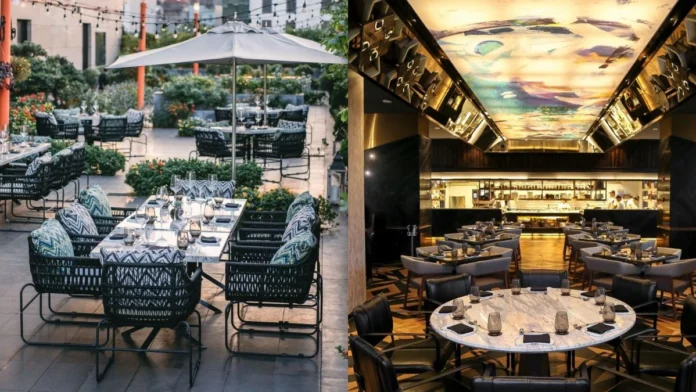
Ever wondered what all the fuss is about those Michelin stars ? It’s not just about a perfect plate of pasta or a flawlessly seared steak (though those help!). It’s a complex system, a culinary judgment, and, let’s be honest, a bit of a mystery to most of us. I’ve always been fascinated by how these stars can make or break a restaurant, so I decided to dive deep and figure out what’s really going on behind the scenes.
The History and Meaning Behind the Stars
So, where did these stars even come from? Back in 1900, the Michelin tire company started publishing a guide for French motorists. Yes, that Michelin. The idea was simple: if people had more reasons to drive, they’d buy more tires. The guide included useful information like maps, repair instructions, and, crucially, lists of hotels and restaurants. Fast forward a few decades, and the restaurant section became so popular that it evolved into the Michelin Guide as we know it today. But, it has changed over time, as this site shows .
But here’s the thing: Michelin stars aren’t just handed out willy-nilly. One star signifies “a very good restaurant in its category,” two stars mean “excellent cooking, worth a detour,” and three stars represent “exceptional cuisine, worth a special journey.” Achieving even one star is a HUGE deal, and maintaining that star year after year is even tougher. These stars can greatly influence the dining experience for many.
The Inspection Process | Secrets and Scrutiny
Alright, so how do restaurants actually get these coveted stars? That’s where the famous Michelin inspectors come in. These anonymous diners (yes, they really are anonymous) visit restaurants and evaluate them based on five criteria:
- Quality of the ingredients
- Mastery of flavor and cooking techniques
- The personality of the chef in the cuisine
- Value for money
- Consistency between visits
What fascinates me is the sheer dedication to consistency. It’s not enough to have one amazing meal; the restaurant needs to deliver that same level of excellence every single time. Inspectors might visit a restaurant multiple times before making a decision. They pay their own bills and remain completely objective. A common misconception I see is that Michelin inspectors only visit expensive restaurants, but that isn’t true. They are after the overall dining experience in all price ranges.
Why Michelin Stars Matter (And Why They Don’t)
Let’s be honest: a Michelin star can be a game-changer for a restaurant. It brings instant recognition, attracts diners from all over the world, and often leads to higher prices. But here’s the thing: chasing stars can also be a trap. Some chefs feel pressured to conform to Michelin’s expectations, stifling their creativity and individuality. I initially thought that the whole idea of Michelin star ratings was straightforward, but then I realized it’s a complex thing for restaurant owners to navigate.
And for diners? Well, a Michelin star doesn’t guarantee you’ll love the food. Taste is subjective, after all. What fascinates one person might bore another. Plus, the pressure to live up to the hype can sometimes detract from the enjoyment of the meal. But, the culinary world still sees these restaurants as a true marvel.
Beyond the Stars | The Bib Gourmand
Not all great restaurants have stars. In fact, Michelin also recognizes excellent restaurants that offer high-quality food at moderate prices with the “Bib Gourmand” designation. I think it’s really important for the Michelin Guide to recognize more affordable spots. It’s a nod to places that are accessible and delicious. These places offer something for the average diner looking for a good meal without breaking the bank. Some people enjoy this rating scale even more than the actual Michelin stars.
Navigating the World of Fine Dining
So, how can you make the most of the Michelin star experience? First, do your research. Read reviews, check out the menu online, and see if the restaurant’s style aligns with your taste. Don’t be afraid to try new things, but also don’t feel pressured to order something just because it sounds fancy. Most importantly, remember that dining out is about more than just the food; it’s about the company, the atmosphere, and the overall experience. Consider travel trends when planning your visit to any specific city.
FAQ | Your Michelin Star Questions Answered
What if I have dietary restrictions?
Most top-rated restaurants are happy to accommodate dietary restrictions. Be sure to mention them when you make your reservation.
Is a dress code required?
It varies. Some restaurants have a strict dress code, while others are more casual. Check the restaurant’s website or call ahead to confirm.
How far in advance should I make a reservation?
For popular star restaurants , it’s best to make reservations weeks or even months in advance.
Are Michelin star restaurants always expensive?
While many are pricey, there are also some more affordable options, especially those with a Bib Gourmand designation.
What if I don’t like my meal?
Speak up! Most restaurants want to ensure you have a positive experience and will try to rectify the situation.
The one thing you absolutely must remember about Michelin-starred establishments is that they represent a pursuit of culinary excellence. But more than fancy food, it is an experience like none other.


