
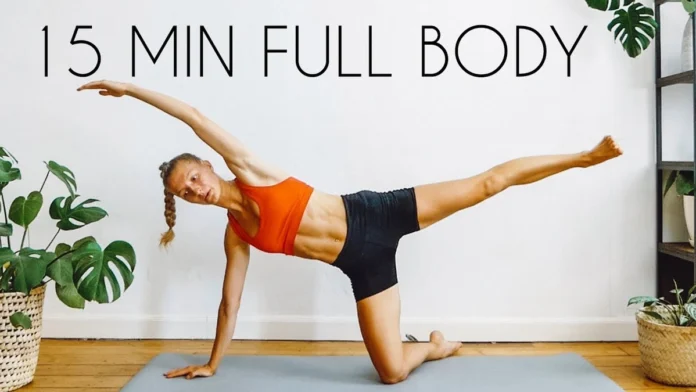
Ever feel like you just don’t have the time for a proper workout? Let’s be honest, fitting exercise into our busy lives often feels like an impossible task. But what if I told you that just 15 minutes of exercise could significantly reduce your risk of developing deadly heart problems? Sounds too good to be true, right? Well, buckle up, because we’re diving deep into the science and practicalities behind this game-changing revelation. I initially thought this was just another fitness fad, but then I realized the profound implications this could have, especially for us here in India.
The “Why” Behind the 15-Minute Miracle

We all know exercise is good for us, but the sheer impact of just 15 minutes is what truly fascinates me. Here’s the thing: it’s not just about burning calories. Short bursts of physical activity can trigger a cascade of positive changes in your body. Think improved blood pressure, better cholesterol levels, and enhanced insulin sensitivity. What fascinates me is how these small changes are associated with lowering the risk of fatal heart problems, such as myocardial infarction (heart attack) and stroke. According to a World Health Organization report, cardiovascular diseases (CVDs) are the leading cause of death globally, and this makes even minor interventions worth considering. And what this suggests is that those of us in India who don’t have access to fancy gyms, or can’t afford the monthly fees, can still drastically improve our health with the right type of routine.
The “How” to Squeeze in Your 15 Minutes
Okay, so we know why it’s important, but how do we actually make this work? Let’s get practical. A common mistake I see people make is thinking that 15 minutes isn’t enough to get a good workout. The one thing you absolutely must consider is the intensity. It’s all about high-intensity interval training (HIIT). HIIT involves short periods of intense exercise followed by brief recovery periods. Think sprinting for 30 seconds, then walking for 30 seconds, repeated for 15 minutes. HIIT workout is a very effective exercise. But, and this is a big but, you need to adjust the intensity depending on your fitness level. What works for one person might be dangerous for another.
Here’s a sample 15-minute HIIT routine you can try at home, or even in your office:
- Warm-up (2 minutes): Light stretching, jogging in place.
- Jumping Jacks (30 seconds)
- Rest (30 seconds)
- High Knees (30 seconds)
- Rest (30 seconds)
- Push-ups (as many as you can in 30 seconds)
- Rest (30 seconds)
- Squats (30 seconds)
- Rest (30 seconds)
- Repeat the circuit 2-3 times.
- Cool-down (2 minutes): Gentle stretching.
But don’t feel limited by these exact exercises. Let me rephrase that for clarity: anything that gets your heart pumping works! Dancing, brisk walking, even climbing stairs can do the trick. The key is to push yourself during those short bursts of activity. Cardiovascular health depends on your fitness level and how often you implement changes to your body.
Listen to Your Body (The Emotional Angle)
That moment of panic when your chest feels tight. We’ve all been there, or know someone who has. It’s crucial to remember that exercise should never feel like punishment. If you’re just starting out, don’t push yourself too hard. Begin with lower-intensity activities and gradually increase the intensity and duration as you get fitter. And the other thing is this: listen to your body! If you experience any chest pain, dizziness, or shortness of breath, stop immediately and consult a doctor. I initially thought this was straightforward, but then I realized that many people ignore their bodies, or don’t know how to respond.
Also, I would add, consult a doctor before starting any new exercise program, especially if you have any underlying health conditions. What fascinates me is how personalized medicine has become. And this extends to personalized fitness . What works for one person might be a bad option for another. For example, people over 45 often have reduced bone density, so those people would be advised to do more weight-bearing exercises such as yoga.
Integrating Exercise into Your Daily Routine
Okay, so this is where a lot of people slip up. It’s not enough to just know what to do. You have to integrate it into your daily routine. Here’s the thing: make it easy to stick to. Schedule your 15-minute workout like any other important appointment. Prepare your workout clothes the night before. Find a workout buddy for motivation. What surprises me is how much more enjoyable exercise can be when you have someone else suffering alongside you!
Here are some sneaky ways to weave exercise into your day:
- Take the stairs instead of the elevator.
- Walk or cycle to work or the market.
- Do some squats while you’re waiting for the kettle to boil.
- Have a dance break during your work day.
- Walk during phone calls.
The Indian Context | A Call to Action
What this all boils down to is this: we, here in India, often neglect our health until it’s too late. We get caught up in work, family, and the daily grind. But we need to prioritize our well-being. This simple 15-minute exercise plan is not just about preventing heart disease. It’s about improving our quality of life, boosting our energy levels, and living longer, healthier lives. And given that India has a lower average income than richer countries, getting into the habit of quick at-home fitness means you have something to fall back on even when you’re unable to purchase gym-related amenities. Home workouts should be a regular fixture in everyone’s lives. More on health can be found here .
As per the guidelines mentioned in the information bulletin, if you’re consistent, you’ll start seeing the rewards. According to recent studies, regular physical activity can also reduce the risk of diabetes, cancer, and other chronic diseases. So, let’s be honest – there’s really no excuse not to give it a try. Are you ready to transform your health in just 15 minutes a day?
FAQ
Frequently Asked Questions
What if I don’t have 15 minutes every day?
Even 5-10 minutes is better than nothing. Try to find small pockets of time throughout the day to be active.
What if I have a medical condition?
Consult your doctor before starting any new exercise program, especially if you have any underlying health conditions.
What kind of exercises are best?
Anything that gets your heart pumping! Choose activities you enjoy to make it easier to stick to.
How often should I exercise?
Aim for at least 15 minutes of moderate-intensity exercise most days of the week.
So, the next time you’re tempted to skip your workout, remember this: just 15 minutes can make a world of difference. It’s not just about adding years to your life, but life to your years. Start today, and your heart will thank you for it. Small exercise leads to healthier lifestyles .


