
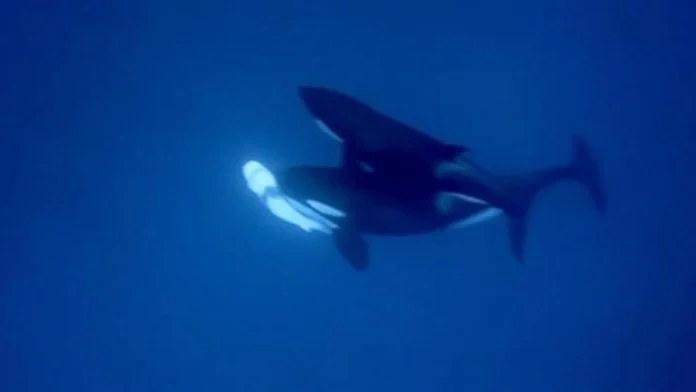
Okay, let’s dive into something truly wild. What happens when the apex predator of the ocean meets… another apex predator? We’re talking about orcas, specifically a pod that’s developed a terrifyingly effective method for hunting great white sharks. It’s not just about a clash of titans; it’s about understanding animal behavior, ecological impacts, and the sheer drama of the natural world. Forget your average cat video; this is nature at its most intense. What fascinates me is how these orcas have seemingly learned and adapted to take down a creature that most would consider untouchable. So, grab your virtual scuba gear, and let’s explore this deep-sea mystery.
The “Why” Behind Orca Predation on Great Whites
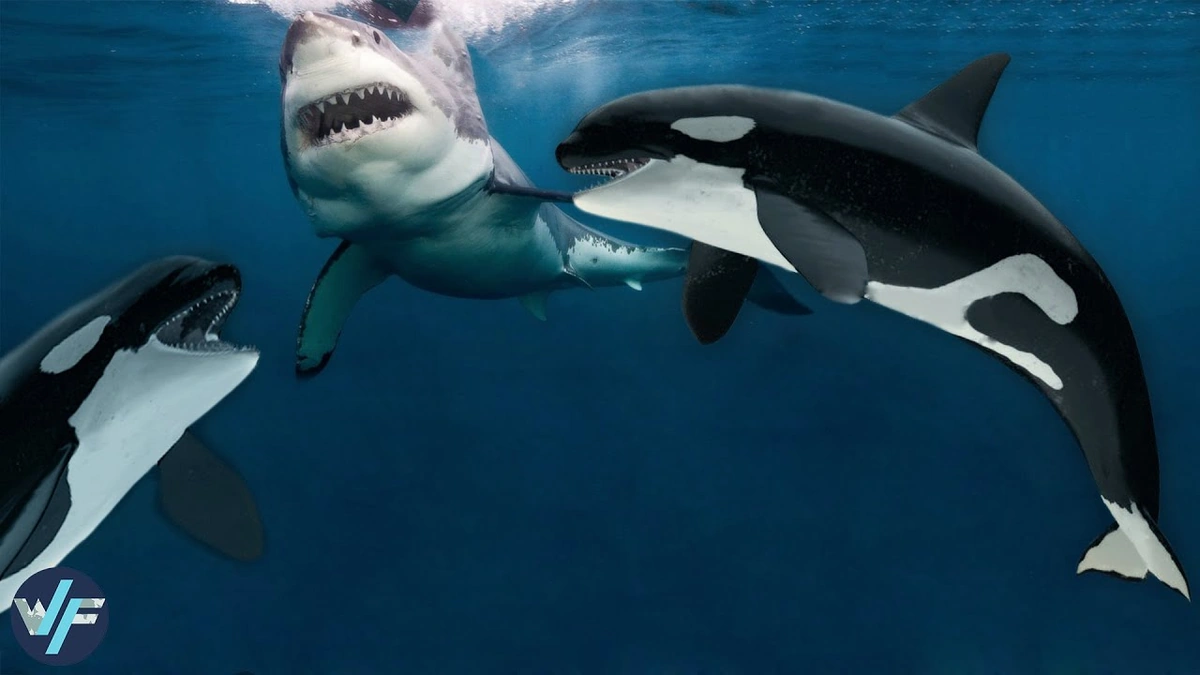
So, why would orcas even bother hunting great white sharks? Aren’t there easier meals to be had? Here’s the thing: great whites are incredibly nutrient-rich. Their livers, in particular, are packed with energy. It’s like the ocean’s equivalent of a high-calorie energy bar. But the real kicker is the impact on the shark populations themselves. According to recent studies, when orcas move into an area, great whites often flee, disrupting the local ecosystem. We’re not just talking about individual shark deaths; we’re talking about a significant shift in the balance of power. Think of it as a hostile takeover, but in the ocean. And it raises a lot of questions about what this means for the future of both species.
The Brutal Tactic | A Step-by-Step Breakdown
How do these orcas actually pull off these hunts? It’s not a straightforward attack. They’ve developed a specific technique, targeting the shark’s liver. It’s a precision strike. Here’s how it typically unfolds: First, the orcas work together, using their intelligence and communication skills to locate a great white. Then, they strategically corner the shark, often using coordinated movements to disorient it. The key moment is when they flip the shark onto its back. This induces a state called tonic immobility, essentially paralyzing the shark. Once immobilized, the orcas can then extract the liver with surgical precision. It’s brutal, yes, but also a testament to the orcas’ incredible hunting prowess. It shows you how incredibly intelligent and adaptable they are.
Ecological Ripple Effects | Beyond the Hunt
The orca’s hunting behavior isn’t just an isolated event; it has cascading effects throughout the marine ecosystem. When great whites are driven out of their usual hunting grounds, other species benefit. Smaller sharks, seals, and even fish populations can thrive in the absence of the great white. But here’s the twist: this can also lead to imbalances. For instance, if seal populations explode, they can put pressure on other parts of the food chain. It’s a complex web of interactions, and the orca’s role as a top predator is reshaping it in profound ways. It reminds me of that old saying, “When elephants fight, it is the grass that suffers.” In this case, when orcas hunt, the entire ocean feels the impact. This is why understanding the impact of these marine animals is crucial, and understanding this ecosystem is vital to any conservation efforts.
Why This Matters to Us (Even in India)
Okay, so what does a bunch of orcas hunting sharks have to do with us here in India? Well, the ocean is interconnected. What happens in one part of the world eventually affects others. Changes in marine ecosystems can impact global fish stocks, weather patterns, and even our own coastlines. Plus, the story of the orcas and great whites is a reminder of the delicate balance of nature and the importance of conservation. We might not have great whites swimming off the coast of Mumbai, but we have our own unique ecosystems to protect. And the lessons learned from studying these apex predators can help us better understand and manage our own natural resources. Read more here.
The Future of the Apex Predators
So, what does the future hold for these two iconic predators? It’s hard to say for sure, but several factors will likely play a role. Climate change, for one, is already altering ocean temperatures and affecting prey populations. This could put additional stress on both orcas and great whites, potentially leading to increased competition for resources. Another factor is human activity. Overfishing, pollution, and habitat destruction all pose threats to marine life. Ultimately, the fate of these apex predators will depend on our ability to understand and mitigate these threats. We are, after all, part of the same ecosystem. Let me rephrase that for clarity: what we do matters. And the story of the orcas and great whites is a powerful reminder of that fact.
FAQ About Orca Hunting Great Whites
Why do orcas only eat the liver of sharks?
The liver is rich in fats and nutrients, making it a high-energy food source for the orcas.
Do all orca pods hunt great white sharks?
No, this behavior has only been observed in a few specific pods.
What impact does this have on the great white shark population?
It can cause them to flee their usual hunting grounds, disrupting the local ecosystem.
How do orcas immobilize great white sharks?
They flip the shark onto its back, inducing a state called tonic immobility, essentially paralyzing it.
Is this behavior new?
While orcas have always been known to hunt other marine animals, the specific targeting of great white livers is a more recently observed phenomenon.
Where can I learn more about orca and shark behavior?
Check out reputable marine biology research institutions and documentaries on wildlife.
In conclusion, the tale of the orca pod and the great white sharks isn’t just a nature documentary spectacle; it’s a complex story of adaptation, ecological balance, and the interconnectedness of our world. The delicate balance of nature must be maintained, so that all our marine life can thrive. It’s a reminder that even the most fearsome creatures are part of a larger web, and their actions have far-reaching consequences. The way we choose to interact with our planet and marine life will determine the fate of these incredible animals, and ultimately, our own. Read the full story.


