
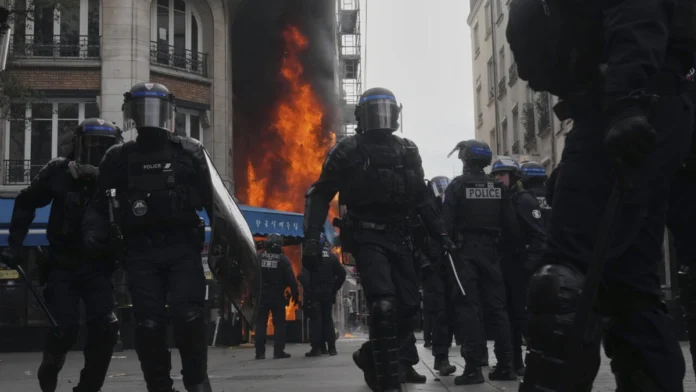
Paris, the city of lights, love, and… well, lately, a whole lot of protests. If you’ve been seeing headlines about unrest in France, you’re probably wondering: What’s really going on? It’s not just about one thing; it’s a complex stew of factors bubbling over. Let’s dive in and try to understand the underlying causes, the potential implications, and why it matters to folks, even those of us thousands of miles away.
The Pension Reform Spark and Beyond
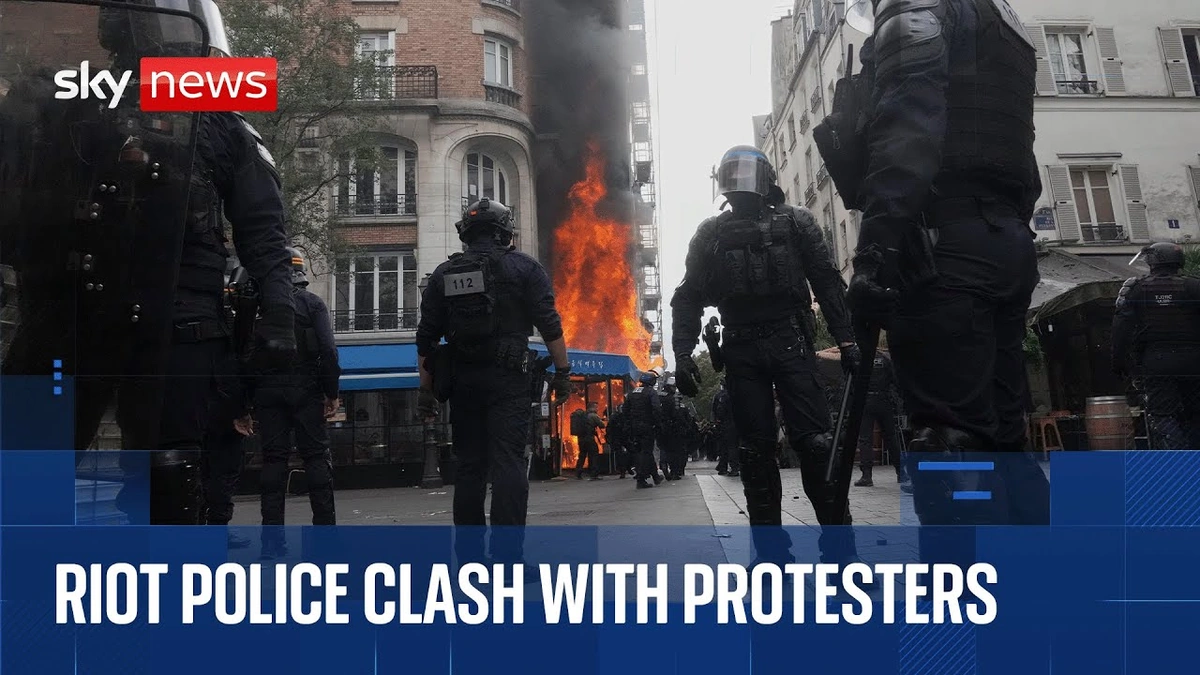
Okay, so the most recent wave of protests was definitely ignited by President Macron’s pension reforms. The plan to raise the retirement age from 62 to 64? Yeah, that didn’t sit well. But here’s the thing: it’s not just about retirement. It’s about a broader sense of economic anxiety and a feeling that the government isn’t listening. Think of it like this: the pension reform was the match, but the dry tinder was already there, waiting to catch fire. The reforms exacerbate existing frustrations concerning social inequality and economic disparities, particularly among the working class and younger generations. These groups fear that raising the retirement age will disproportionately affect their ability to enjoy their later years, especially considering the physically demanding nature of many jobs and the already strained social safety net.
You see, pension reforms are often perceived as a direct threat to the quality of life and future prospects of ordinary citizens. Many view it as an erosion of hard-earned social rights and a sign that the government is prioritizing fiscal austerity over the well-being of its people.
Echoes of the Yellow Vests | A Recurring Theme
Remember the Yellow Vest movement? Those high-visibility jackets symbolized a much deeper discontent – a feeling of being left behind by globalization and economic policies that seemed to favor the wealthy elite. And, guess what? Some of those same grievances are resurfacing now. The current protests share a common thread with the Yellow Vest movement: a sense of marginalization and a belief that the government is out of touch with the concerns of everyday people. This includes issues such as the rising cost of living, stagnant wages, and limited access to affordable housing and healthcare. The Yellow Vests, or “gilets jaunes” in French, demonstrated how quickly public frustration can escalate when people feel ignored and unheard.
What This Means for France and Beyond
So, what’s the big deal? Why should you care about protests in Paris ? Well, for one thing, France is a major global player. What happens there can have ripple effects on the European Union and the world economy. Political instability can impact trade, investment, and international relations. Moreover, the protests in France reflect broader trends of social and political unrest that are occurring in many countries around the world. The issues of economic inequality, social justice, and political representation are not unique to France. They are global challenges that require careful attention and effective solutions. Understanding the root causes and dynamics of these protests can provide valuable insights for addressing similar issues in other contexts.
Additionally, the way the French government responds to these protests could set a precedent for how other governments handle similar situations. Will they engage in meaningful dialogue and compromise, or will they resort to heavy-handed tactics and repression? The answer to this question could have significant implications for the future of democracy and human rights around the world. Let’s not forget the impact on tourism. Paris relies heavily on tourists from all over the world. Any kind of disturbance has an impact on tourism industry that accounts for close to 10% of French GDP. Demonstrationsand protests may disrupt travel plans and impact tourism revenue.
The Role of Social Media and Information Warfare
In today’s digital age, social media plays a crucial role in shaping public opinion and mobilizing protests. Platforms like Twitter, Facebook, and TikTok have become essential tools for activists to organize events, share information, and amplify their message. But here’s the catch: social media can also be used to spread misinformation and propaganda. Foreign actors may try to exploit the protests to sow discord and undermine democratic institutions. This is a complex challenge that requires critical thinking and media literacy. It is essential to verify information from multiple sources and be wary of sensationalized or biased content. As citizens, we have a responsibility to be informed and discerning consumers of news and information. Understanding the sources, motives, and biases behind the information we consume is essential for making informed decisions and contributing to a healthy public discourse. It’s not just about the protests themselves, but how they are framed and interpreted in the digital realm. The rise of generative AI tools only complicates the matter.
The French labor unions are also playing a significant role in these protests. They have a long history of organizing strikes and demonstrations to defend workers’ rights and social welfare. The unions are mobilizing their members and coordinating with other groups to put pressure on the government. Their involvement adds a layer of organization and legitimacy to the protests. I initially thought that the protests will soon fizzle out, but the involvement of labor unions has only emboldened the protesters.
FAQ | Understanding the Paris Protests
Frequently Asked Questions
What exactly are they protesting?
Primarily, the pension reforms, but it’s also about broader economic and social issues.
Is this just a French problem?
Not at all. Similar anxieties exist in many countries facing economic challenges.
What if I’m planning a trip to Paris?
Keep an eye on the news and be prepared for potential disruptions. Check travel advisories from your country.
How are the French labor unions involved?
They’re playing a key role in organizing and mobilizing protesters.
How will these protests impact the world economy?
Potentially through political instability and disruptions to trade and investment.
What is Macron’s response to the protests?
Macron defends the pension reform as necessary for economic stability.
In conclusion, the escalating protests in Paris are a symptom of deeper societal issues – economic anxiety, social inequality, and a sense of political disconnect. It’s a complex situation with potential ramifications far beyond the borders of France. As global citizens, understanding these dynamics is crucial for navigating an increasingly interconnected world. The French economy is heavily dependent on international trade. Any kind of disruption is bound to have a negative impact on the trade volumes of France.
The unrest serves as a reminder that policymakers must address the concerns of all segments of society to maintain social stability and promote inclusive growth. Ignoring these concerns can lead to further unrest and potentially destabilize the political and economic landscape.


