
Ever heard someone mention the prime rate and immediately felt your eyes glaze over? Let’s be honest, it sounds like something only bankers care about. But here’s the thing: it affects you, probably more than you realize. We’re going to break down exactly why this seemingly obscure number is actually a key indicator of your financial well-being and the overall health of the US economy.
None
What Exactly IS the Prime Rate, Anyway?
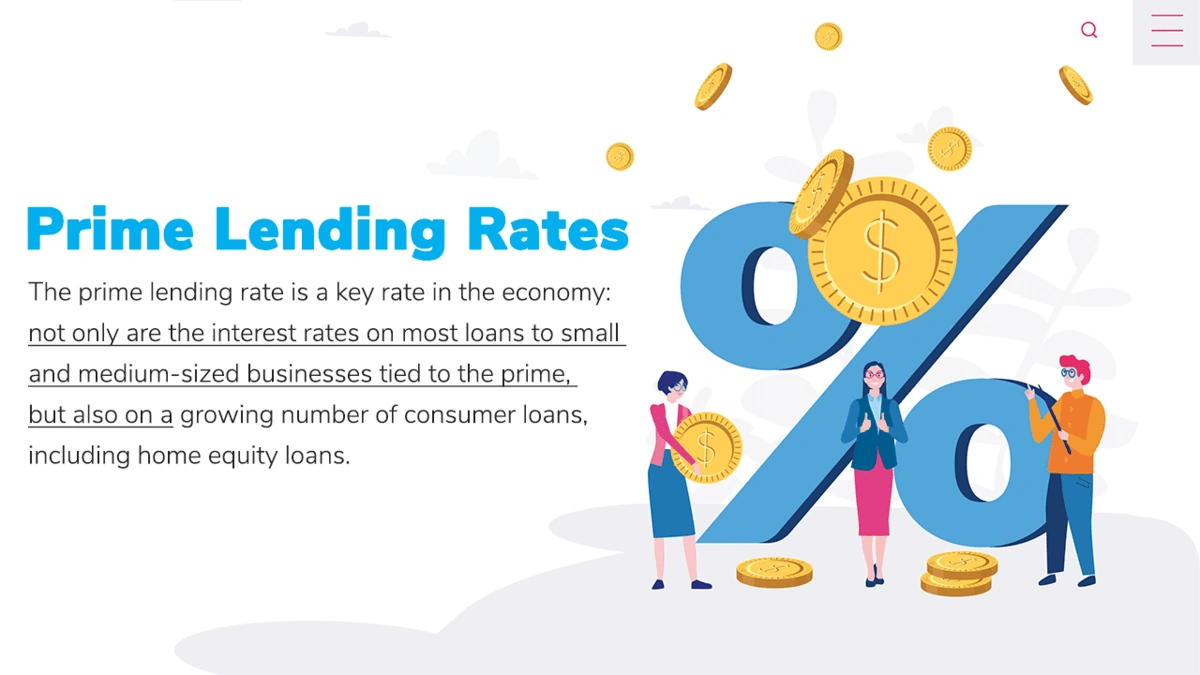
Okay, let’s start with the basics. The prime rate is the interest rate that commercial banks charge their most creditworthy customers – think large corporations with stellar credit histories. It’s often used as a benchmark for other interest rates, including those on credit cards , home equity loans, and even some mortgages. But, and this is a big ‘but,’ it’s not set in stone. Banks can, and do, adjust it based on a number of factors, primarily the federal funds rate set by the Federal Reserve.
I initially thought it was a static number, but then I realized it’s more like a weather vane, constantly shifting with the economic winds. And those shifts can have significant consequences.
Why Should I Care About Some Bank Rate?
This is where it gets interesting. The prime rate acts as a ripple effect. When it goes up, borrowing becomes more expensive for everyone – businesses and consumers alike. This can lead to:
- Higher credit card interest: That tempting 0% introductory rate? It’ll jump eventually, and the prime rate is a major factor in how high it climbs.
- More expensive loans: Thinking about buying a car or a house? A higher prime rate means you’ll pay more in interest over the life of the loan.
- Slower economic growth: When businesses have to pay more to borrow money, they’re less likely to invest in new equipment, hire more employees, or expand their operations.
Conversely, when the prime rate falls, borrowing becomes cheaper, which can stimulate economic activity. It’s a balancing act, and the Fed is constantly trying to fine-tune things to keep the economy on an even keel. It’s like trying to balance a spinning plate – tricky!
The Fed’s Role | Pulling the Levers of the Economy
The Federal Reserve (the Fed) plays a pivotal role in influencing the prime rate . They do this primarily by adjusting the federal funds rate, which is the rate at which banks lend money to each other overnight. When the Fed raises the federal funds rate, banks typically raise the prime rate as well. This is because their own borrowing costs have increased. Think of it like this: if your supplier raises their prices, you’ll likely have to raise yours too.
The Fed’s decisions are driven by their dual mandate: to maintain price stability (keep inflation in check) and to promote full employment. When inflation is high, they may raise rates to cool down the economy. When the economy is weak, they may lower rates to stimulate growth. According to the Fed’s official publications, maintaining a stable economic environment is a priority. This translates to careful monitoring and adjustments to the federal funds rate.
But, and this is key, the prime rate isn’t solely dictated by the Fed. Banks also consider their own costs, competitive pressures, and overall economic conditions when setting their individual prime rates . This creates some degree of variation among different banks.
Navigating the Ups and Downs | What Can You Do?
So, what can you, as an individual, do to protect yourself when the prime rate is on the rise? Here are a few strategies:
- Pay down high-interest debt: Focus on paying off credit card balances and other high-interest loans as quickly as possible. The sooner you eliminate these debts, the less you’ll be affected by rising rates.
- Shop around for the best interest rates: Don’t just accept the first interest rate you’re offered. Compare rates from different lenders to find the most favorable terms.
- Consider fixed-rate loans: If you’re planning to take out a loan, consider a fixed-rate loan, which means your interest rate will remain the same for the life of the loan, regardless of what happens to the prime rate.
And, crucially, understand your own risk tolerance. Are you comfortable with variable rates that could fluctuate? Or do you prefer the predictability of a fixed rate, even if it means potentially paying a slightly higher rate upfront? A common mistake I see people make is failing to understand the implications of variable vs. fixed rates. It’s worth taking the time to do your research and make an informed decision. Here’s another internal article you might find useful.
The Future of the Prime Rate: Crystal Ball Gazing (Sort Of)
Predicting the future of the prime rate is a fool’s errand. Economic forecasts are notoriously unreliable. But, we can look at some key indicators to get a sense of where things might be headed. Keep an eye on:
- Inflation: If inflation remains high, the Fed is likely to continue raising rates.
- Economic growth: If the economy slows down significantly, the Fed may pause or even reverse course and lower rates.
- Geopolitical events: Unexpected events, such as wars or trade disputes, can also impact the prime rate.
According to recent reports on Wikipedia here , the prime rate can significantly impact economic trends.
Ultimately, understanding the prime rate is about empowering yourself to make informed financial decisions. It’s not about becoming an economist, but about being aware of the factors that affect your wallet. What fascinates me is how interconnected everything is – a seemingly small change in a bank rate can have a ripple effect that touches almost every aspect of our lives.
FAQ: Your Burning Prime Rate Questions Answered
What if I have an adjustable-rate mortgage?
Your interest rate will fluctuate along with the prime rate (or another benchmark rate). Be prepared for your monthly payments to increase if rates rise.
Does the prime rate affect my savings account?
Indirectly. Banks may raise interest rates on savings accounts when the prime rate rises, but they’re not obligated to do so.
What is the current prime rate?
You can find the current prime rate on financial websites like the Wall Street Journal or from major banks. Keep in mind that different banks may have slightly different rates.
How often does the prime rate change?
It can change frequently, depending on economic conditions and the Fed’s actions. There’s no set schedule.
Is a higher prime rate always bad?
Not necessarily. It can be a sign of a strong economy. But it also means borrowing is more expensive.


