
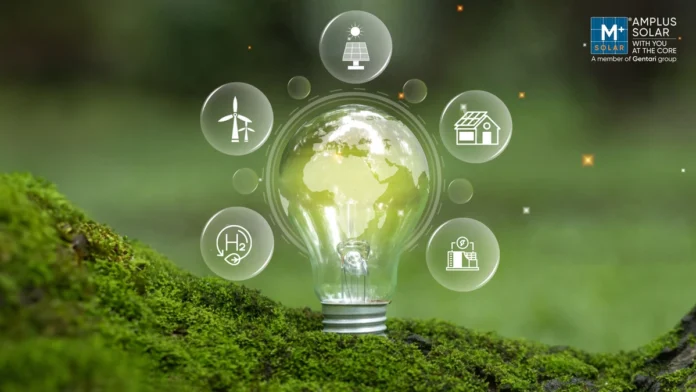
Here’s the thing: we’ve reached a tipping point. For years, renewable energy has been the plucky underdog, the scrappy David facing the Goliath of coal. But the latest data is in, and it’s official: renewables now generate more electricity globally than coal. Let me rephrase that for clarity: wind, solar, hydro, and other green sources are collectively producing more juice than the black stuff. It’s huge, but the real question is – why does this matter to you, sitting in India, potentially sweltering through another record-breaking summer?
The “Why” | A Breath of Fresh Air (Literally)

The shift to renewable energy sources isn’t just about feel-good headlines; it’s about breathing easier, and a more secure future for India. Let’s be honest, India’s air quality in many cities is, putting it mildly, a disaster. Coal-fired power plants are a major culprit. The more we lean on solar power , wind farms, and hydroelectric projects, the cleaner our air becomes. Think about it: fewer respiratory illnesses, less strain on our healthcare system, and kids growing up without having to wheeze their way through childhood. That’s a powerful reason to cheer for renewables. According to experts, investing in green energy transition is not just an environmental imperative, but also an economic one.
But there’s more. Energy independence. India is heavily reliant on imported coal. Fluctuating global coal prices can wreak havoc on our economy. By investing heavily in solar energy and wind – resources we have in abundance – we reduce our dependence on foreign fuels and create a more stable energy future.
India’s Renewable Energy Revolution | Challenges and Opportunities
What fascinates me is the scale of India’s ambition. We have some of the most aggressive renewable energy targets in the world. The government is pushing hard, and private companies are jumping on board. But the transition isn’t without its bumps. Here’s what I initially thought was straightforward, but then I realized there were multiple complexities involved. Land acquisition for large-scale solar projects can be a nightmare. Grid infrastructure needs massive upgrades to handle the influx of intermittent power from wind and solar. And then there’s the question of energy storage. How do we keep the lights on when the sun isn’t shining or the wind isn’t blowing? These are the challenges that India needs to overcome to fully realize the promise of renewables.
And, of course, the cost. While solar panel prices have plummeted, financing large renewable energy projects still requires massive investment. But here’s the exciting part: India has the potential to become a global leader in renewable energy manufacturing. Imagine creating jobs, boosting our economy, and exporting clean energy technology to the world. That’s the kind of opportunity that makes this whole transition so compelling.
How India Can Become a Renewable Energy Powerhouse
So, how do we make this happen? It’s not just about building more solar plants and wind farms, it’s about creating an ecosystem that supports sustainable energy . A common mistake I see people make is to think of renewables as a separate sector. They’re not. They need to be integrated into every aspect of our economy, from transportation to agriculture to manufacturing. That means smart policies, innovative financing mechanisms, and a skilled workforce. One crucial step is promoting energy efficiency. Reducing energy consumption overall makes the transition to renewables much easier. This means investing in energy-efficient buildings, appliances, and industrial processes.
And let’s not forget about the role of individual citizens. We can all contribute by making conscious choices about our energy consumption. Switching to energy-efficient lighting, using public transportation, and supporting companies that prioritize sustainability are all small steps that can make a big difference. Check out these updates .
The Future is Bright (and Green)
The fact that renewable energy is now dominating global electricity production is not just a statistic; it’s a sign of hope. A sign that we can address climate change, improve our health, and build a more prosperous future. It’s a journey, and India is right in the middle of it. There will be challenges, setbacks, and course corrections. But the direction is clear: towards a cleaner, greener, and more sustainable energy future. And that, my friends, is something worth getting excited about. Let’s not forget that energy storage solutions are also playing a crucial role in this transition.
What fascinates me is how quickly things are changing. It wasn’t that long ago that renewable energy was seen as a niche technology, too expensive and unreliable to compete with fossil fuels. But now, it’s mainstream, cost-competitive, and rapidly improving. That’s a testament to human ingenuity and the power of innovation. The transition to clean energy is not just an environmental imperative; it’s an economic opportunity. The one thing you absolutely must double-check is that the incentives for transitioning to renewables are sustained by the government. Another critical element is ensuring equitable access to clean energy technologies , particularly in rural areas.
FAQ | Your Renewable Energy Questions Answered
What exactly does “renewable energy dominating coal” mean?
It means that, across the globe, more electricity is now being generated from renewable sources (solar, wind, hydro, etc.) than from burning coal.
Is India really making progress on renewable energy?
Yes, India has ambitious renewable energy targets and is actively investing in solar and wind power. However, challenges remain in infrastructure and grid stability. You should also check this page.
What can I do as an individual to support renewable energy in India?
You can conserve energy, use energy-efficient appliances, support companies committed to sustainability, and advocate for policies that promote renewable energy.
What are the biggest challenges facing India’s renewable energy transition?
Land acquisition, grid infrastructure upgrades, energy storage, and financing are some of the key challenges.
Where can I find more information on India’s renewable energy policies?
The Ministry of New and Renewable Energy (MNRE) website is a good place to start.


