
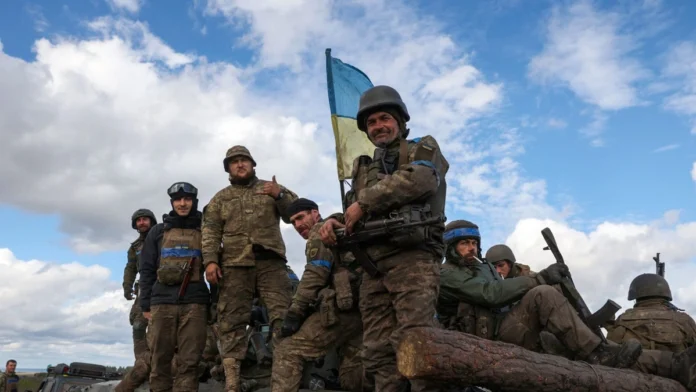
The Russia Ukraine conflict . It’s been dominating headlines for, well, what feels like forever. But beyond the maps and troop movements, have you ever stopped to ask: why does this matter to me, sitting here in the United States? I did. And honestly, the answer is more complex and far-reaching than you might think. This isn’t just some faraway squabble; it’s a seismic event reshaping global politics and economics, and its ripples are already being felt here at home.
The Geopolitical Chessboard | More Than Just Borders
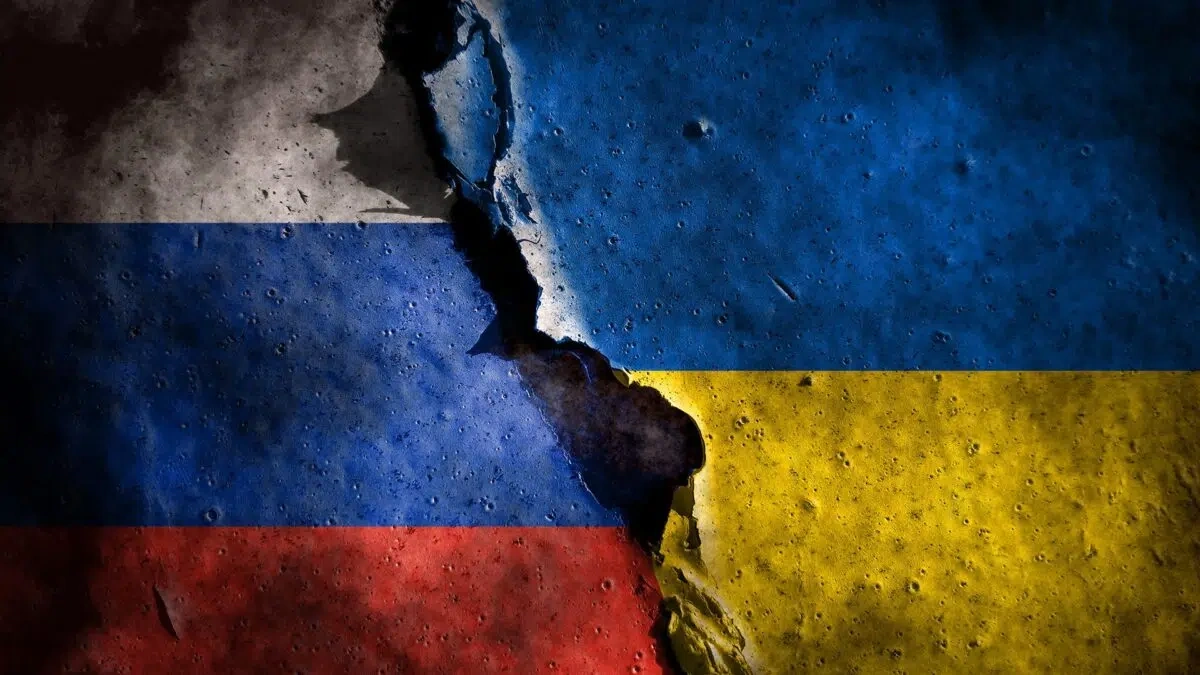
Let’s be honest, international relations can feel like a snooze-fest. But here’s the thing: the geopolitical implications of the Russia Ukraine conflict are anything but boring. It’s a high-stakes chess game where the pieces are countries, resources, and alliances. And the outcome will determine the balance of power for decades to come.
The conflict challenges the established world order. For decades, the United States has been a key player in maintaining peace and stability, especially in Europe. Russia’s actions are a direct challenge to this leadership role, testing the resolve of the U.S. and its allies. What fascinates me is how this challenge impacts everything from trade agreements to military deployments. Consider the increased military spending among NATO countries – a direct response to the perceived threat from Russia. This shift in priorities has real-world consequences for domestic policies and budgets in the US.
Economic Fallout | Your Wallet and the War
Okay, so maybe geopolitics isn’t your cup of tea. But what about your wallet? The economic consequences of the war in Ukraine are hitting Americans directly. Think about gas prices. While not the sole driver, the conflict has certainly exacerbated existing supply chain issues and energy market volatility. And it’s not just gas; the war has disrupted the global supply of essential commodities like wheat, fertilizer, and sunflower oil.According to the World Bank, these disruptions are contributing to rising food prices worldwide, impacting household budgets and increasing food insecurity, even in the US.
But there is more. The sanctions imposed on Russia are intended to cripple its economy, but they also have unintended consequences for global trade. Many companies have had to pull out of Russia, disrupting supply chains and leading to higher costs for consumers. This is a delicate balancing act, as policymakers try to punish Russia without causing undue harm to their own economies.
The Information War | Truth, Lies, and Your News Feed
In today’s digital age, war is no longer confined to the battlefield; it’s also waged in the information space. The information warfare surrounding the Russia Ukraine conflict is intense. Both sides are actively engaged in propaganda and disinformation campaigns, trying to shape public opinion and influence policy decisions. The implications are profound, potentially leading to widespread mistrust, social division, and erosion of democratic institutions. How can you tell what’s real?
What fascinates me here is how social media algorithms amplify these narratives, creating echo chambers where people are only exposed to information that confirms their existing beliefs. It’s crucial to be a critical consumer of information, to seek out diverse perspectives, and to verify information from multiple sources. This is not always easy, but it’s essential for maintaining a healthy democracy.
Humanitarian Crisis | A Moral Imperative
Beyond the geopolitics and economics, there’s the human cost. The humanitarian crisis in Ukraine is heartbreaking, to say the least. Millions of people have been displaced from their homes, seeking refuge in neighboring countries. Thousands have been killed or injured, and the long-term psychological impact of the war will be felt for generations.
As Americans, we have a moral obligation to help those in need. This could involve donating to humanitarian organizations, supporting policies that provide aid to Ukraine, or simply raising awareness about the plight of refugees. And yes, it’s easy to feel helpless in the face of such immense suffering, but every little bit helps. Spreading awareness or donating to an aid orgainization can make a difference.
The Future of Europe | A New Cold War?
So, where does this all lead? It’s hard to say for sure, but the Russia Ukraine conflict is likely to have a lasting impact on the future of Europe. Some fear a new Cold War, with Russia becoming increasingly isolated and confrontational. Others hope for a negotiated settlement that respects Ukraine’s sovereignty and territorial integrity.
What I find fascinating is how this conflict will reshape alliances and security arrangements in Europe. Will NATO become stronger and more united? Will the European Union take on a greater role in defense and security? These are questions that policymakers are grappling with right now, and the answers will have profound implications for the future of the transatlantic relationship. Don’t forget about this issue in Paris.
Ultimately, the Russia Ukraine conflict is a complex and multifaceted issue with far-reaching consequences. It’s not just about borders and power struggles; it’s about values, principles, and the future of the international order. And as Americans, we have a stake in the outcome. We need to be informed, engaged, and willing to support policies that promote peace, security, and human rights.
FAQ | Russia Ukraine Conflict Explained
Why did Russia invade Ukraine?
Russia’s stated reasons include protecting Russian speakers and preventing Ukraine from joining NATO. However, many see it as an attempt to reassert Russian influence and control over its neighbor.
What are the main geopolitical implications of the conflict?
The conflict challenges the established world order, tests the resolve of the U.S. and its allies, and leads to increased military spending and shifts in global power dynamics.
How is the conflict affecting the U.S. economy?
The conflict is contributing to higher gas prices, disruptions in global supply chains, and rising food prices.
What can I do to help the people of Ukraine?
You can donate to humanitarian organizations, support policies that provide aid to Ukraine, and raise awareness about the plight of refugees.
Could this conflict lead to a new Cold War?
It’s possible. The conflict has strained relations between Russia and the West, and some fear a long-term period of confrontation and isolation.


