
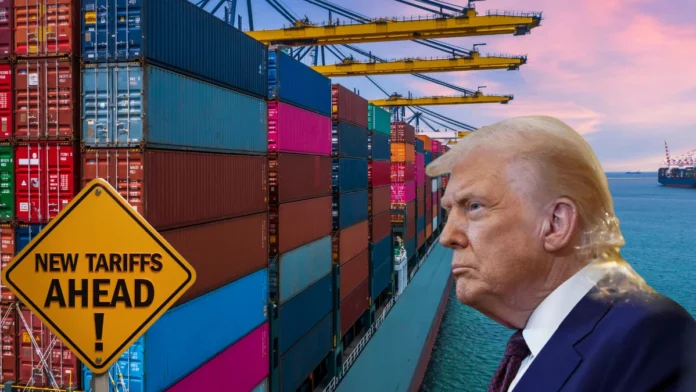
Tariffs. The word itself can sound like something dry and dusty, relegated to economics textbooks and trade negotiations. But here’s the thing: tariffs affect your wallet, your job, and even the geopolitical landscape. Let’s be honest, understanding them isn’t just for economists anymore. It’s for anyone who wants to make sense of the world.
So, why should you care about trade barriers ? Well, imagine your favorite coffee suddenly costs twice as much. Or the parts needed to fix your car are delayed, impacting local auto shops. Or maybe the company you work for starts laying people off because its products are now too expensive to export. These are the kinds of real-world consequences we’re talking about.
The “Why” | Unpacking the Purpose of Tariffs
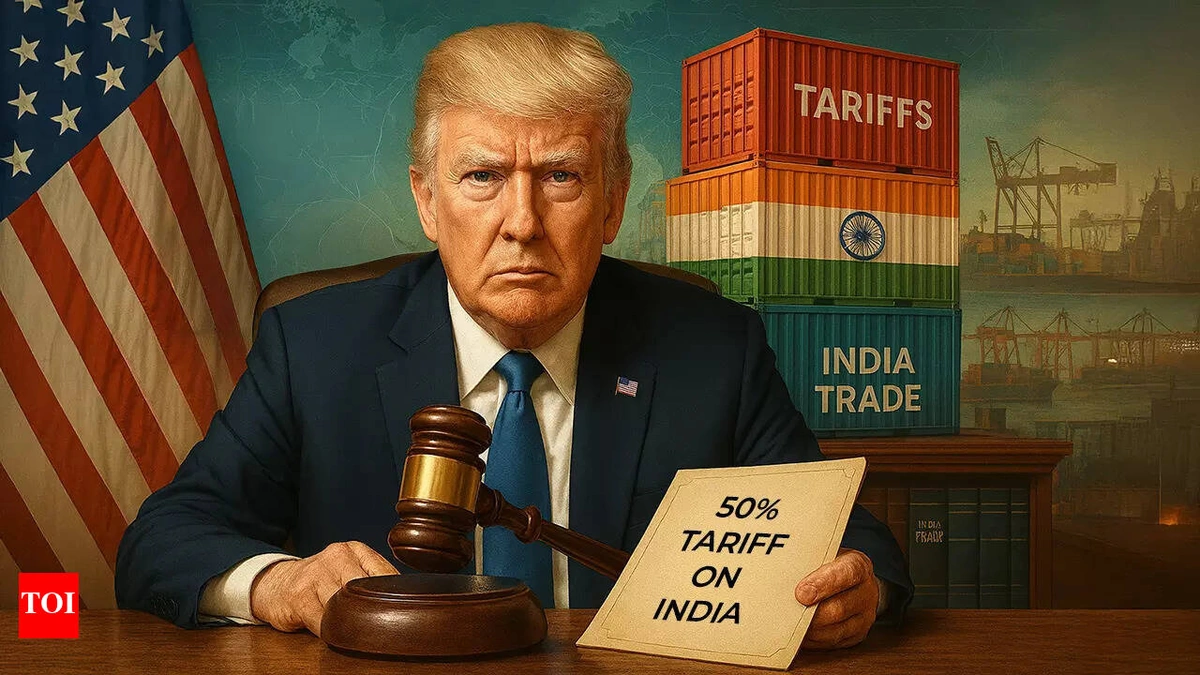
At their core, tariffs are taxes imposed on imported goods or services. But they’re not just about raising revenue. They’re strategic tools governments use to influence trade policy. I initially thought it was straightforward but there’s more to it than meets the eye. And sometimes, the impact is not as intended, because you might not want to start a trade war .
There are several reasons why a country might impose import duties :
- Protecting Domestic Industries: This is a classic argument. Tariffs can make imported goods more expensive, theoretically giving domestic producers a competitive edge.
- National Security: Sometimes, tariffs are used to ensure a country can produce essential goods (like steel or semiconductors) domestically, reducing reliance on foreign suppliers.
- Retaliation: Tariffs can be used as a weapon in trade disputes. If one country feels another is engaging in unfair trade practices (like subsidies), it might impose tariffs in retaliation.
- Revenue Generation: While not the primary goal in developed economies, tariffs can generate revenue for the government.
But, and this is a big “but,” these benefits often come with costs. Let’s delve into those.
The Ripple Effect | How Tariffs Impact You
It’s easy to think of tariffs as abstract economic concepts. But they have very real consequences. Think of it like this: tariffs are like pebbles dropped into a pond. They create ripples that spread far and wide.
Here’s how tariffs can affect you directly:
- Higher Prices: When tariffs are imposed, businesses often pass those costs onto consumers. That means you might pay more for everything from clothing to electronics.
- Reduced Choice: Tariffs can make some imported goods prohibitively expensive, limiting your choices as a consumer.
- Job Losses: While tariffs are often intended to protect domestic jobs, they can also lead to job losses in industries that rely on imported goods or that export to countries that retaliate with their own tariffs. As per the study about impact on job market, they might be affected on either direction.
- Slower Economic Growth: Tariffs can disrupt supply chains, reduce investment, and stifle innovation, ultimately slowing down economic growth.
What fascinates me is how interconnected the global economy is. A seemingly simple decision to impose a tariff can have complex and far-reaching consequences.
The Geopolitical Game | Tariffs as a Tool of Diplomacy
Tariffs aren’t just about economics. They’re also a tool of diplomacy. Countries use them to exert pressure on each other, to negotiate trade deals, and to advance their foreign policy objectives. The [ Internal Link Pool ] tariffs could be used to control global trade.
Think of it like a chess match. Each tariff is a move, designed to achieve a specific goal. But, like in chess, miscalculations can lead to unintended consequences. A trade war, for example, can escalate quickly, damaging relationships and disrupting the global economy.
And here’s where it gets even more complex. Tariffs can be used to address non-economic issues, such as human rights or environmental concerns. A country might impose tariffs on goods from another country that it believes is violating human rights or failing to protect the environment.
The Future of Trade | Navigating a Tariff-Filled World
So, what does the future hold? Will tariffs become more prevalent, or will countries find ways to reduce trade barriers? Honestly, it’s hard to say. The global trade landscape is constantly evolving, shaped by economic, political, and technological forces.
But one thing is certain: understanding tariffs is essential for anyone who wants to navigate this complex world. It’s not enough to simply react to the news. You need to understand the underlying forces at play, the motivations of the key players, and the potential consequences of their actions. That requires critical thinking, a willingness to challenge assumptions, and a commitment to staying informed. A common mistake I see people make is thinking tariffs and quotas are the same thing.
Here are some things you can do to stay informed:
- Follow reputable news sources: Look for news organizations that provide in-depth coverage of trade issues.
- Read reports from international organizations: The World Trade Organization (WTO) and the International Monetary Fund (IMF) publish reports on trade policy.
- Engage in discussions: Talk to friends, family, and colleagues about trade issues. Share your perspectives and listen to theirs.
The latest data about WTO trade data is a good source of information for you to stay informed.
Understanding these economic policies makes it possible to comprehend why countries engage in trade.
And remember, tariffs are not just abstract economic concepts. They have very real consequences for individuals, businesses, and the global economy. By understanding them, you can make more informed decisions and become a more engaged citizen.
Ultimately, global commerce cannot be seen as just a local or national affair.
Here is more information at [ Internal Link Pool ] about commerce
FAQ | Your Tariff Questions Answered
What exactly is a tariff, in simple terms?
A tariff is basically a tax on imported goods. It makes those goods more expensive for consumers and businesses.
Why do countries use tariffs?
Countries use tariffs for various reasons, including protecting domestic industries, raising revenue, and retaliating against unfair trade practices.
How do tariffs affect consumers?
Tariffs can lead to higher prices, reduced choice, and potentially job losses.
Are tariffs always bad?
Not necessarily. Some argue that tariffs can be beneficial in certain situations, such as protecting strategic industries or addressing unfair trade practices. However, they often come with costs.
What are some examples of recent tariff disputes?
There have been numerous recent tariff disputes, including those between the United States and China, and the United States and the European Union.
What’s the difference between a tariff and a quota?
A tariff is a tax on imports, while a quota is a limit on the quantity of goods that can be imported.


