
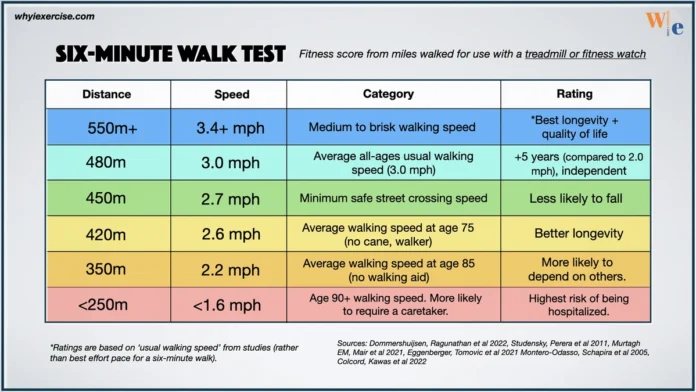
We’ve all heard the mantra: 10,000 steps a day! It’s been drilled into us as the golden ticket to fitness. But here’s the thing: what if I told you there’s a more effective way to gauge your walking efforts? What if, whisper it, walking duration mattered even more than just hitting that arbitrary step count? Let’s unpack this, shall we?
The Myth of the 10,000 Steps

Let’s be honest. The 10,000 steps thing? It’s a fantastic marketing ploy. Originally conceived as part of a Japanese marketing campaign for a pedometer (Manpo-kei, meaning “10,000 steps meter”), it stuck. But is it scientifically sound? Not entirely. While any movement is good, the 10,000-step goal doesn’t account for intensity or individual fitness levels. For some, it’s a breeze; for others, it’s an uphill battle. So, what gives?
The reality is, a leisurely stroll for 10,000 steps isn’t the same as a brisk walk for, say, 30-45 minutes. The latter gets your heart pumping, improves your cardiovascular health, and burns more calories. It’s about the quality of your steps, not just the quantity. And that quality is directly linked to how long you’re actively walking and maintaining an elevated heart rate. Think of it like this: sipping water all day versus chugging a bottle when you’re thirsty. The effect is quite different, isn’t it?
Why Duration Reigns Supreme
So, why is walking duration so important? Several reasons, actually:
- Cardiovascular Health: Consistent, sustained walking elevates your heart rate and strengthens your cardiovascular system. This isn’t just about burning calories; it’s about improving the efficiency of your heart and lungs. Wikipedia has a great article on Cardiovascular health.
- Improved Stamina: Longer walks build endurance. The more you walk continuously, the better your body becomes at utilizing oxygen and conserving energy.
- Mental Well-being: Extended periods of walking allow for deeper mental engagement. It’s time for reflection, problem-solving, or simply enjoying the surroundings. I find that walking gives me time to clear my head.
- Calorie Burning: While steps matter, sustained activity burns more calories than intermittent steps throughout the day. It’s about maintaining that elevated metabolic rate for a longer period.
- Better Sleep: Regular, moderately intense walking exercises have been linked to improved sleep quality. A good walk tires you out just the right amount.
How to Prioritize Duration Over Steps
Okay, so you’re convinced. But how do you make the switch? Here’s the thing: it’s not about abandoning step counting altogether. It’s about shifting your focus. According to the latest research, brisk walking pace really helps to enhance weight loss.
- Set Time-Based Goals: Instead of aiming for 10,000 steps, aim for 30-60 minutes of brisk walking most days of the week.
- Monitor Your Intensity: Use a fitness tracker or simply pay attention to your breathing. You should be breathing harder than usual, but still able to hold a conversation.
- Incorporate Intervals: Mix up your walking routine with short bursts of faster walking or even jogging. This boosts your calorie burn and improves your cardiovascular fitness.
- Find a Walking Buddy: Having a friend to walk with makes it more enjoyable and keeps you motivated. Walking buddies are the best.
- Listen to Your Body: Don’t push yourself too hard, especially when you’re starting. Gradually increase your walking duration and intensity over time.
The Indian Context | Making Walking Work for You
Here in India, walking can be tricky. Traffic, pollution, and safety concerns can make it challenging to get your steps in. But with a little creativity, it’s entirely possible. Consider these options:
- Walk in Parks or Green Spaces: Seek out parks or gardens in your area where you can walk without worrying about traffic.
- Join a Walking Group: Many cities have walking groups that offer a safe and social way to exercise.
- Walk Indoors: If the weather is bad or you don’t feel safe walking outside, walk on a treadmill or even just walk around your house or office during breaks.
- Incorporate Walking into Your Commute: Walk to the bus stop or train station, or get off a stop early and walk the rest of the way.
- Take the Stairs: Skip the elevator and take the stairs whenever possible. This is a simple way to add more activity to your day.
The Sweet Spot | Finding Your Ideal Walking Duration
Ultimately, the ideal walking duration depends on your individual fitness level, goals, and lifestyle. However, as a general guideline, aim for at least 150 minutes of moderate-intensity aerobic activity per week, which can be broken down into 30-minute walks five days a week. Remember, it’s about finding a sustainable routine that you enjoy and can stick with over the long term. Don’t overdo it, that is the key.
So, ditch the obsession with hitting 10,000 steps and start focusing on walking for a set amount of time each day. Your body (and mind) will thank you for it.
FAQ Section
Frequently Asked Questions
What if I can’t walk for 30 minutes straight?
Break it up! Three 10-minute walks are just as effective as one 30-minute walk.
Is brisk walking really better than a leisurely stroll?
Yes, for cardiovascular health and calorie burning, a brisk pace is more beneficial. Aim to elevate your heart rate.
What if I have joint pain?
Consult your doctor or a physical therapist. They can recommend appropriate exercises and modifications.
Can I combine walking with other forms of exercise?
Absolutely! Walking is a great complement to other activities like strength training or yoga.
What kind of shoes should I wear for walking?
Choose comfortable, supportive shoes with good cushioning.
How can I stay motivated to walk regularly?
Set realistic goals, find a walking buddy, and reward yourself for reaching milestones.
Walking is not just about steps; it’s about the journey, both physical and mental. So, lace up those shoes, step outside, and discover the joy of sustained movement. And remember, it’s not a race. It’s a rhythm. Find yours.


