

The West Bank . You hear about it in the news, often associated with conflict and complexity. But let’s be honest, how much do we really understand about this region and its significance? It’s not just another place on a map; it’s a land steeped in history, faith, and political tension. I initially thought of writing a simple summary, but then I realized that wouldn’t even scratch the surface. So, let’s dive deeper, beyond the headlines, and explore the ‘why’ behind the West Bank’s enduring importance.
A Crossroads of History and Faith
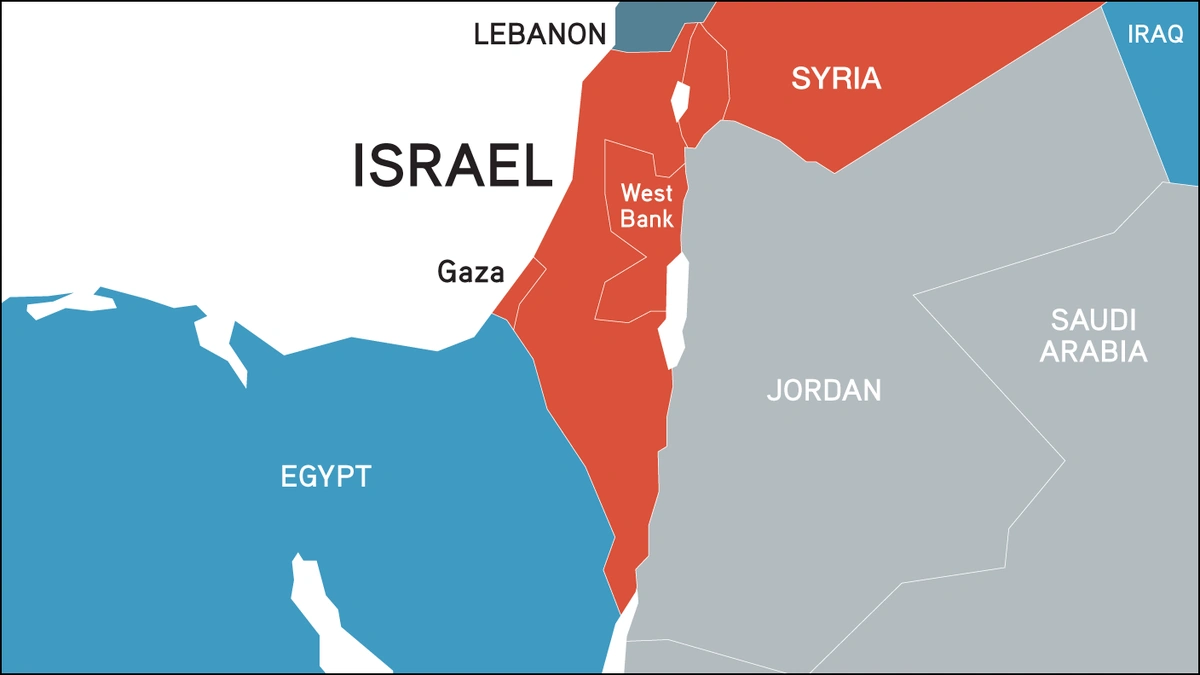
The West Bank’s significance isn’t just about current events; it’s profoundly rooted in history. For millennia, this land has been a crossroads of civilizations and a focal point of religious importance. It’s home to sites revered by Jews, Christians, and Muslims. Think about it: Jerusalem, with its iconic Dome of the Rock, the Western Wall, and the Church of the Holy Sepulchre, is a city that resonates deeply with billions around the world. Bethlehem, the birthplace of Jesus, is another key location. This concentration of holy sites makes the West Bank a land of pilgrimage , a place where faith and history intertwine. But, as we know, this also creates a complex and often volatile dynamic, which leads us to…
The Political Landscape | A Tangled Web
The political situation in the West Bank is, to put it mildly, complicated. The area is at the heart of the Israeli-Palestinian conflict, a dispute with roots stretching back over a century. What fascinates me is how the layers of political control overlap and intertwine. There’s the Palestinian Authority, which exercises limited self-governance in certain areas. Then there’s Israel, which maintains military control over much of the territory, including the borders and security. The presence of Israeli settlements in the West Bank adds another layer of complexity, deemed illegal under international law but seen by many Israelis as a legitimate part of their homeland. The Oslo Accords of the 1990s were meant to pave the way for a two-state solution, but that process has stalled, leaving the West Bank in a state of limbo. And that limbo has real-world implications for the people who live there.
Understanding the impact of Israeli settlements is key to grasping the conflict dynamics.
Daily Life in the West Bank | A Story of Resilience
What’s it like to live in the West Bank ? It’s a question worth asking, as the realities of daily life often get lost in the political narratives. Let’s be honest, it’s not easy. Palestinians face numerous challenges, from restrictions on movement and access to resources to the constant presence of military checkpoints. But, and this is a big but, there’s also a remarkable spirit of resilience. People find ways to build lives, to educate their children, to run businesses, and to maintain their cultural identity. I’ve heard stories of farmers struggling to access their land, of students facing delays in getting to school, and of families divided by security barriers. Yet, amidst these challenges, there’s a deep-seated determination to persevere. And that’s something that deserves our respect. It’s a testament to the human spirit’s ability to endure even in the face of adversity.
The Future of the West Bank | Uncertainty and Hope
Looking ahead, the future of the West Bank remains uncertain. The peace process is stalled, and the political landscape is shifting. But, and this is important, there’s still a glimmer of hope. Many people on both sides continue to believe that a two-state solution is possible, that Israelis and Palestinians can live side-by-side in peace and security. But achieving that vision will require courageous leadership, a willingness to compromise, and a genuine commitment to justice and equality. What fascinates me is the potential for economic cooperation. There’s so much untapped potential for joint ventures, for trade, and for development that could benefit both Israelis and Palestinians. But unlocking that potential requires overcoming the political obstacles that stand in the way. The international community also has a role to play, by supporting peace initiatives, providing humanitarian assistance, and holding all parties accountable to international law. Access to clean water sources and sustainable agriculture are vital issues in the region.
The question of Palestinian statehood remains central to any lasting peace agreement.
The ongoing Gaza conflict also impacts the political and social dynamics in the West Bank.
The expansion of settlements is a major obstacle to peace, according to many international observers.
FAQ | Your West Bank Questions Answered
Frequently Asked Questions about the West Bank
What exactly is the West Bank?
It’s a landlocked territory located west of the Jordan River. It’s been a focal point of the Israeli-Palestinian conflict for decades.
Why is it called the West Bank?
The name refers to its location on the western bank of the Jordan River.
Who controls the West Bank?
Control is divided. The Palestinian Authority has limited self-governance in some areas, while Israel maintains military control over much of the territory.
What’s the current situation there?
Tensions remain high due to the ongoing conflict, the presence of Israeli settlements, and restrictions on Palestinian movement. The international community’s role in resolving the conflict is crucial.
Is it safe to travel to the West Bank?
Travel advisories vary. It’s essential to check the latest information from your government before planning a trip.
The impact of checkpoints on daily life is a significant concern for Palestinian residents.
The West Bank is not just a place of conflict; it’s a place of history, faith, and resilience. It’s a place where the past and the present collide, shaping the lives of millions of people. And it’s a place that deserves our attention, our understanding, and our commitment to a more just and peaceful future. The challenges are immense, but so too is the potential for a brighter tomorrow.


