
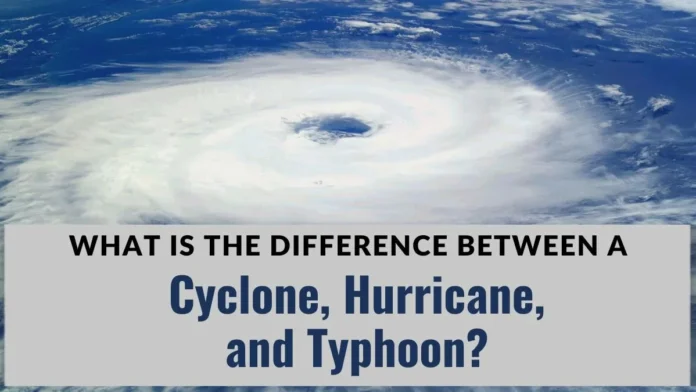
So, you’re wondering, what is a typhoon ? It’s more than just a bad day at the beach. Let’s be honest, the word itself sounds intimidating, doesn’t it? But beneath the bluster, there’s a whole fascinating science and some crucial information that’s worth understanding, especially if you live in an area prone to these intense weather events. I mean, knowing the difference between a typhoon, a hurricane, and a cyclone can literally be a lifesaver.
The Science Behind the Swirl | How Typhoons Form
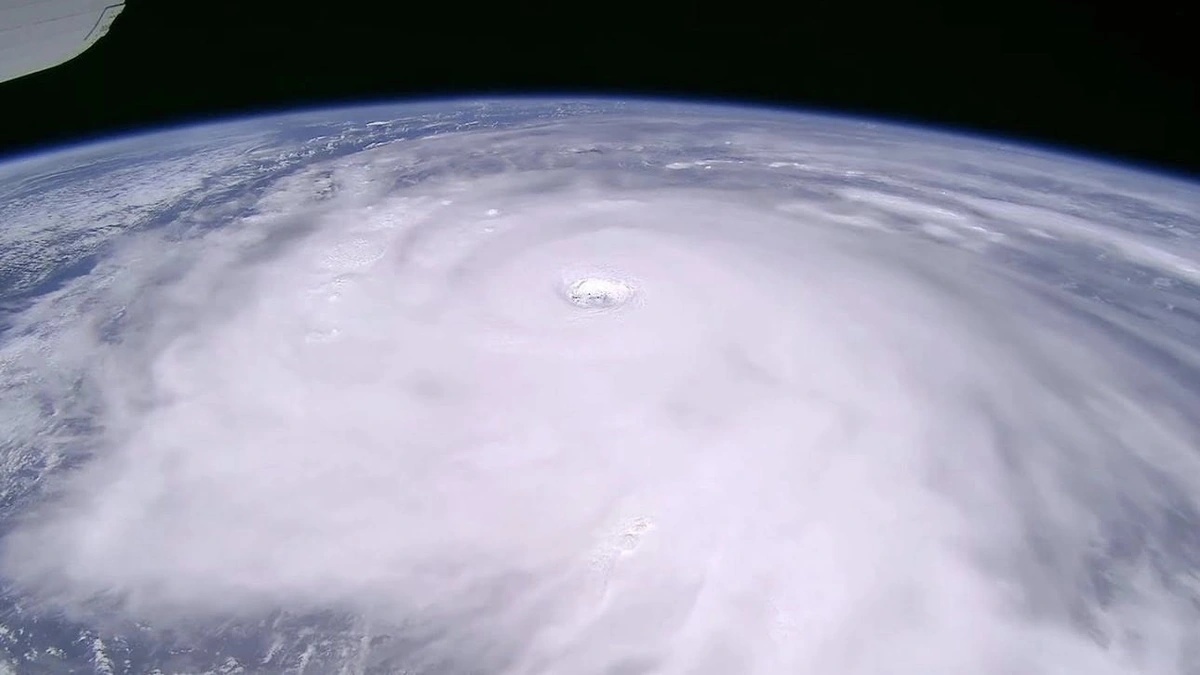
Here’s the thing: typhoon formation isn’t some random act of meteorological mayhem. It’s a complex dance of heat, water, and atmospheric conditions. Warm ocean waters, specifically those above 80°F (27°C), act as the fuel. This warm water evaporates, rising into the atmosphere and creating thunderstorms. But it doesn’t stop there. As more warm, moist air rises, it creates an area of low pressure near the surface. Surrounding air rushes in to replace it, also rising and cooling, creating more thunderstorms. This system begins to spin due to the Earth’s rotation – the Coriolis effect – and if conditions are right, it intensifies into a tropical storm. And when those winds reach 74 mph (119 km/h)? Boom. You’ve got yourself a typhoon. I initially thought this was straightforward, but then I realized the ocean temperature aspect is easily overlooked. As sea temperatures increase, it can have a direct effect on typhoon intensity.
Typhoon vs. Hurricane vs. Cyclone | What’s the Difference?
Okay, let’s clear up a common point of confusion. What’s the difference between a typhoon vs hurricane ? The answer is geography. These storms are all the same type of weather phenomenon – tropical cyclones – but they get different names depending on where they occur. In the Northwest Pacific Ocean, we call them typhoons. In the North Atlantic and Northeast Pacific, they’re hurricanes. And in the South Pacific and Indian Ocean? Cyclones. It’s like calling the same soda “pop” versus “coke” depending on where you live. Speaking of location , it really dictates what to call these dangerous storms.
The Devastating Impacts of Typhoons | Why They Matter
Why should you care about all this science-y stuff? Because the impact of typhoon effects can be devastating. We’re talking about powerful winds that can rip apart buildings, torrential rains that cause widespread flooding, and storm surges that inundate coastal areas. Entire communities can be displaced, and lives can be lost. According to the National Weather Service, the economic costs can run into the billions. And let’s be real, climate change is only making things worse, potentially increasing the frequency and intensity of these storms in the future.
Preparing for a Typhoon | Practical Steps to Take
So, what can you do? Being prepared is crucial. Here’s the ‘How’ angle, the actionable steps that can actually help. First, know your risk. If you live in a typhoon-prone area, understand your evacuation zone and routes. Have a plan for your family, including where you’ll meet if you get separated. Build an emergency kit with enough food, water, and supplies to last for several days. Stay informed by monitoring weather forecasts and warnings from reliable sources like the National Weather Service. And when a typhoon is approaching, take action: secure your home, bring loose objects inside, and evacuate if necessary. What fascinates me is that often, the most basic preparations are the ones that get overlooked.
A common mistake I see people make is underestimating the importance of having a communication plan. Designate an out-of-state contact person that everyone in your family can reach out to if you get separated during the storm. Cell service can be unreliable during a typhoon, so having an alternative way to communicate is essential.
Long-Term Mitigation | Building Resilience in Typhoon-Prone Areas
Beyond individual preparedness, there are also broader efforts to mitigate the impact of typhoons. Coastal communities are investing in infrastructure improvements like seawalls and levees to protect against storm surges. Urban planning is incorporating green spaces and drainage systems to reduce flooding. And scientists are working to improve our understanding of typhoons and develop more accurate forecasting models. Because, let’s face it, we can’t stop these storms from happening, but we can do a much better job of preparing for them and minimizing their impact. The one thing you absolutely must double-check is that your homeowner’s or renter’s insurance policy covers damage from wind and flooding. Many standard policies don’t, so you may need to purchase additional coverage.
Understanding insurance terms can be a huge relief and prevent future financial issues. I initially thought this was straightforward, but then I realized the ocean temperature aspect is easily overlooked.
FAQ | Your Typhoon Questions Answered
Frequently Asked Questions
What’s the difference between a typhoon watch and a typhoon warning?
A typhoon watch means that typhoon conditions are possible in the specified area, usually within 48 hours. A typhoon warning means that typhoon conditions are expected in the specified area, usually within 36 hours. Take warnings seriously!
How can I track a typhoon?
Reliable sources include the National Weather Service (weather.gov) and reputable weather apps. Avoid social media rumors.
What should I include in my emergency kit?
At a minimum: water (one gallon per person per day), non-perishable food, a flashlight, a battery-powered radio, a first-aid kit, medications, and personal hygiene items.
What if I live in an apartment building?
Follow the building’s emergency plan. If there isn’t one, advocate for creating one. Know your evacuation routes and shelter locations.
How do storm surges work?
Storm surge is the abnormal rise in sea level during a storm. It’s caused primarily by the storm’s winds pushing water onshore. The lower the atmospheric pressure in a storm, the higher the storm surge will be.
Ultimately, understanding what a typhoon is its science, its impacts, and how to prepare for it is about more than just knowing weather terminology. It’s about protecting yourself, your loved ones, and your community. And that’s something worth taking seriously.


